

 En
En English
 简体中文
简体中文
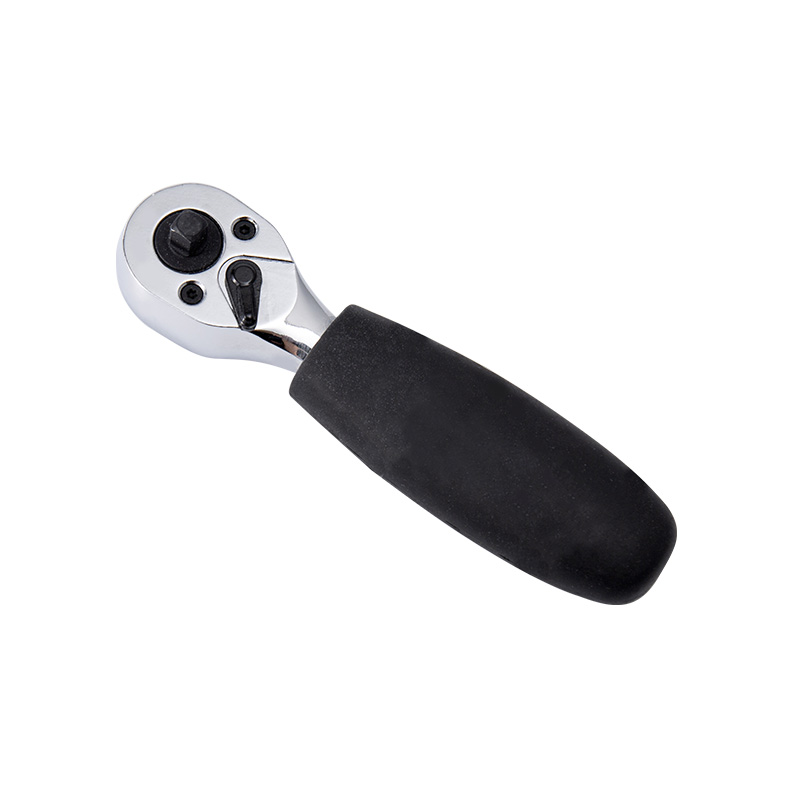
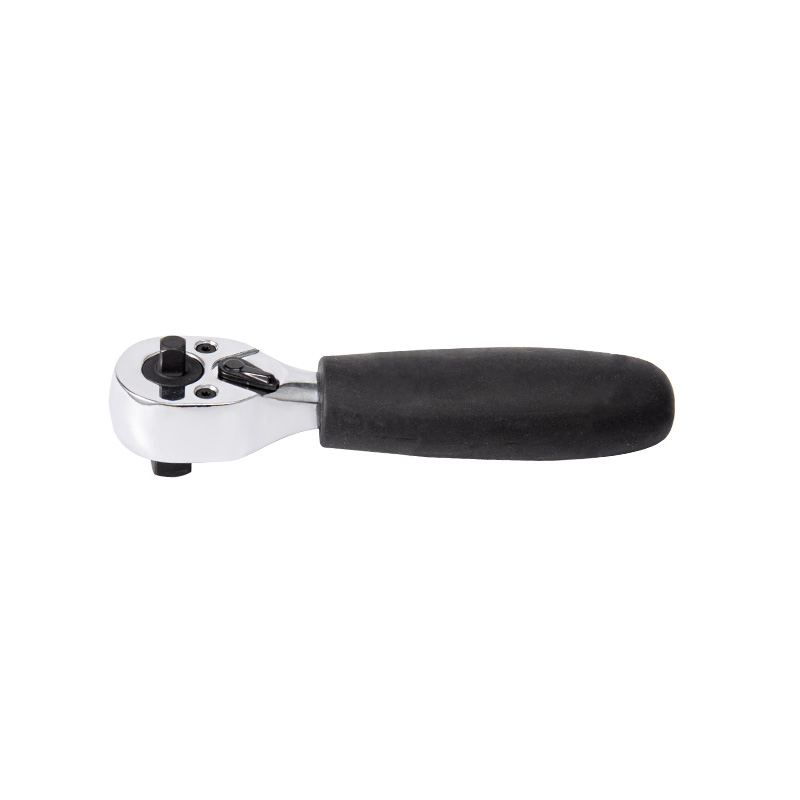
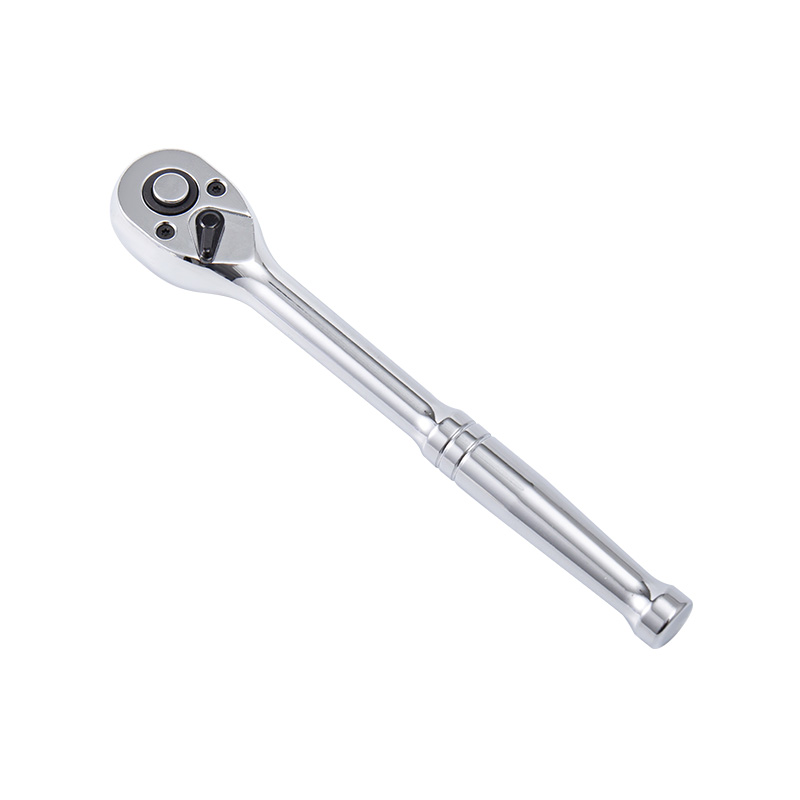
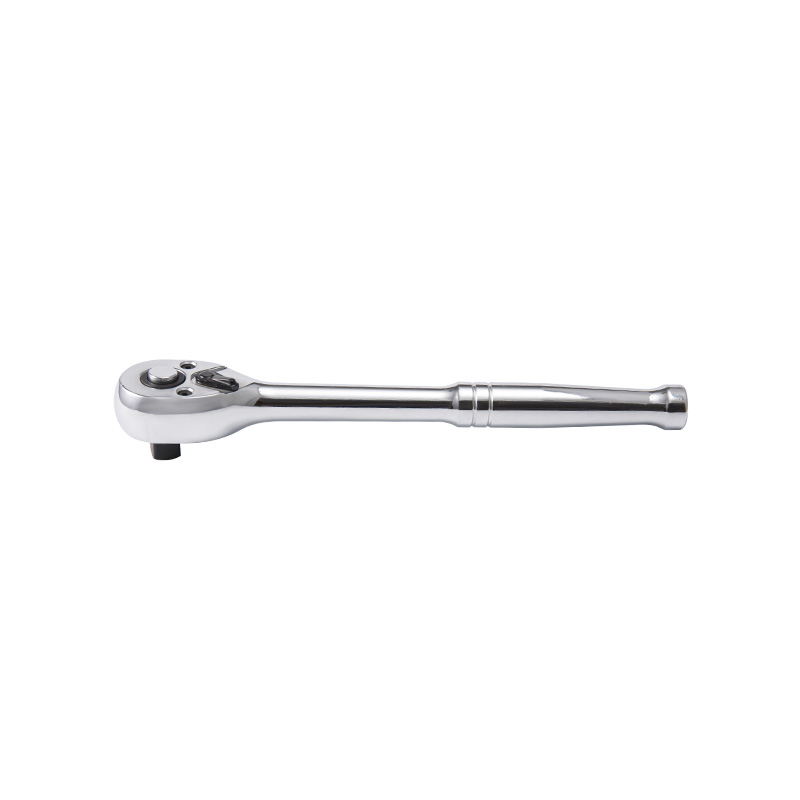
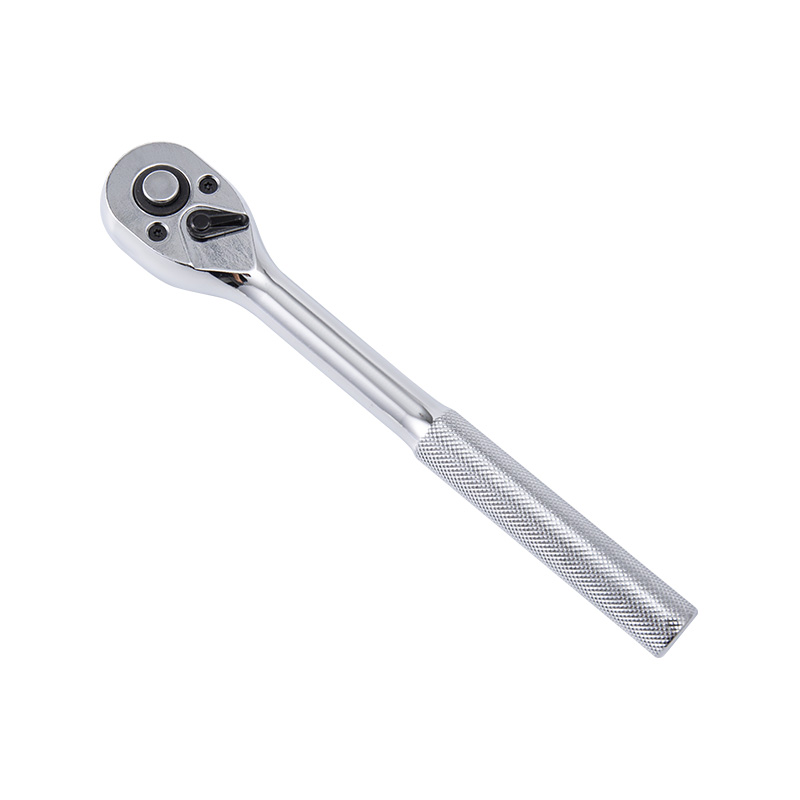
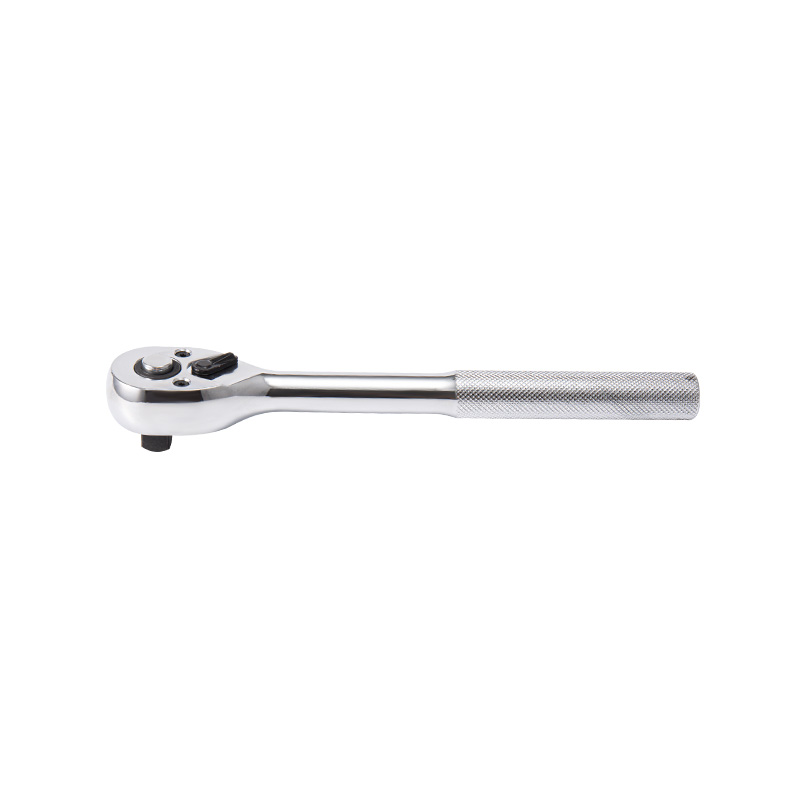
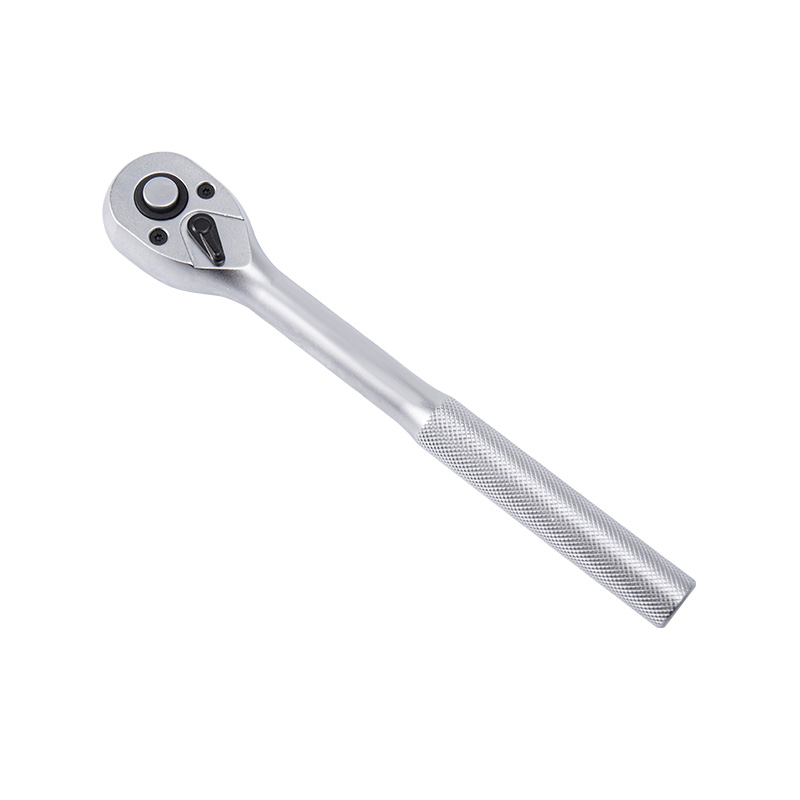
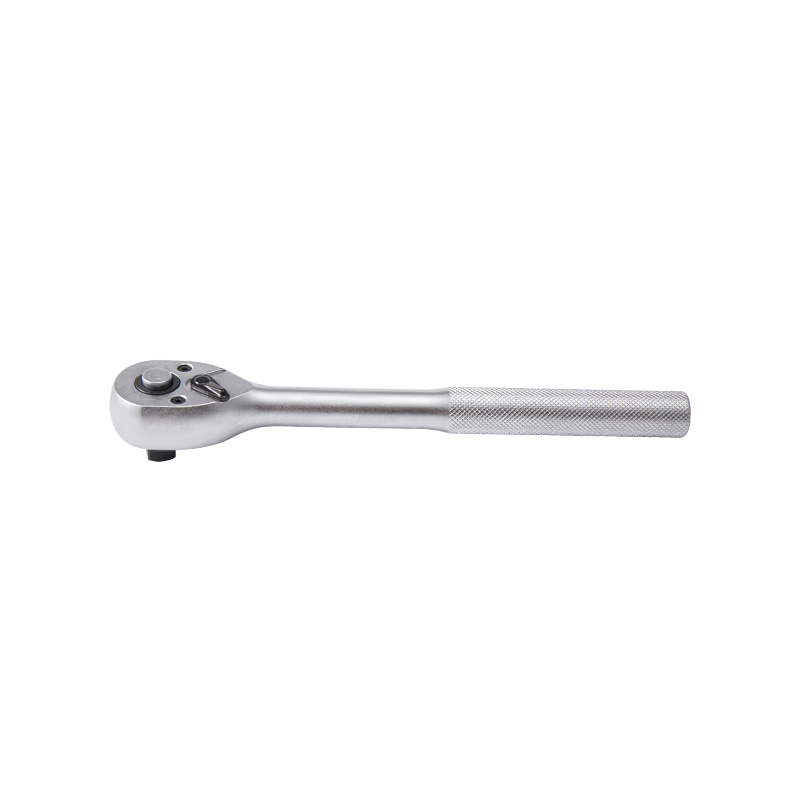
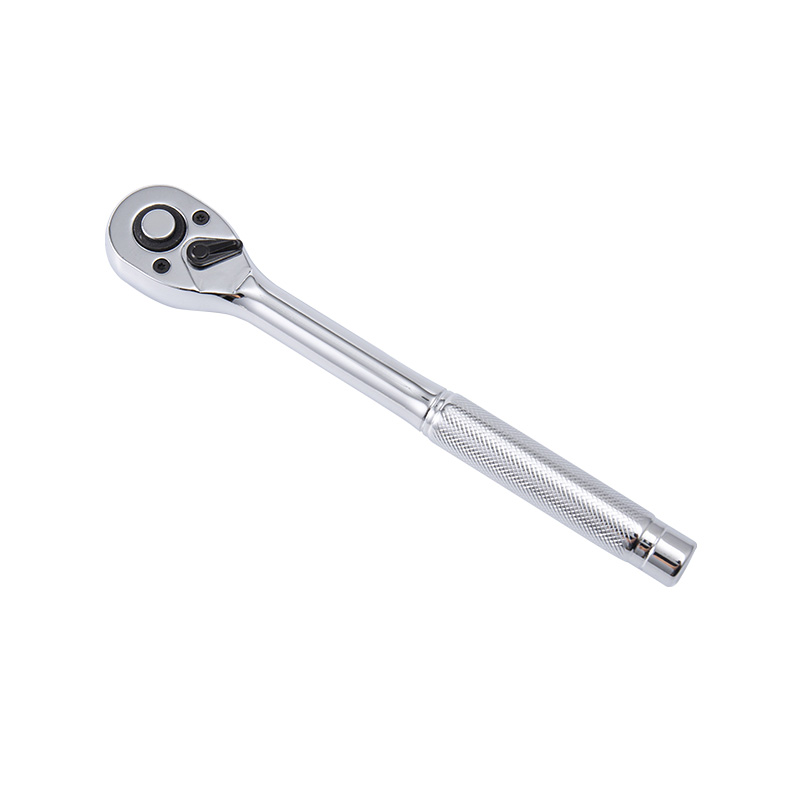
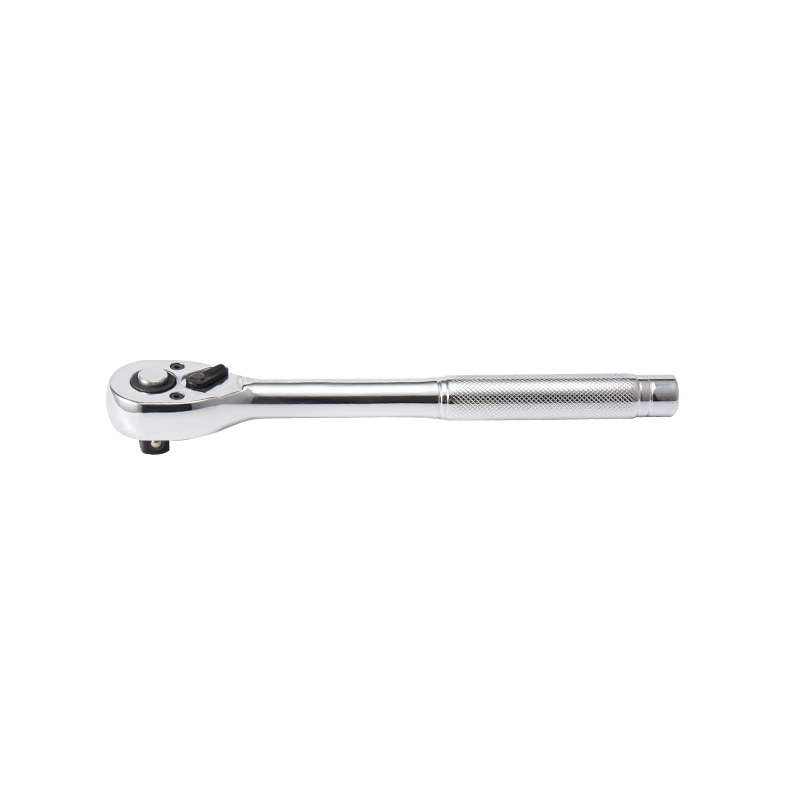
Zhejiang Protec Hardware Co., Ltd., was founded in 2017 and is located in Lanxi Economic Development Zone. With a registered capital of RMB 30 million and a workshop area of approximately 27,000 square meters, As a China Ratchet Handle suppliers and Ratchet Handle factory, we are mainly engaged in wholesale Ratchet Handle. Its products are sold well in the European and American markets.
Zhejiang Protec is the first factory in Jinhua City to implement comprehensive 5G digital management. This 5G digital management system has not only improved production efficiency but also enhanced product stability, earning consistent praise from customers and achieving year-on-year sales growth.
Since its establishment, the company has invested tens of millions yuan annually in technological upgrades. We have established R&D departments, recruited various talents, and continuously improved our digital and automated production capabilities. This includes introducing automated warehouses, robotic workstations, and building new high-end mold workshops to support product requirements and process improvements. Our technological transformation projects, aligned with industry and product demands, persistently advance along the path of Industry 4.0.
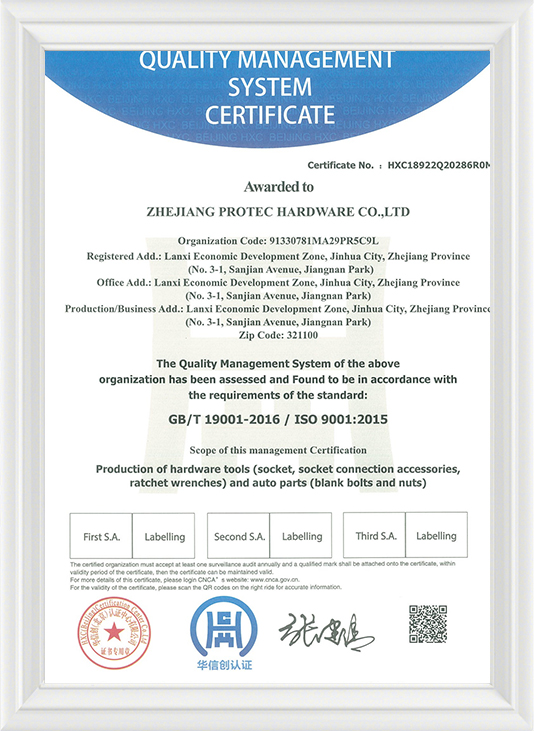
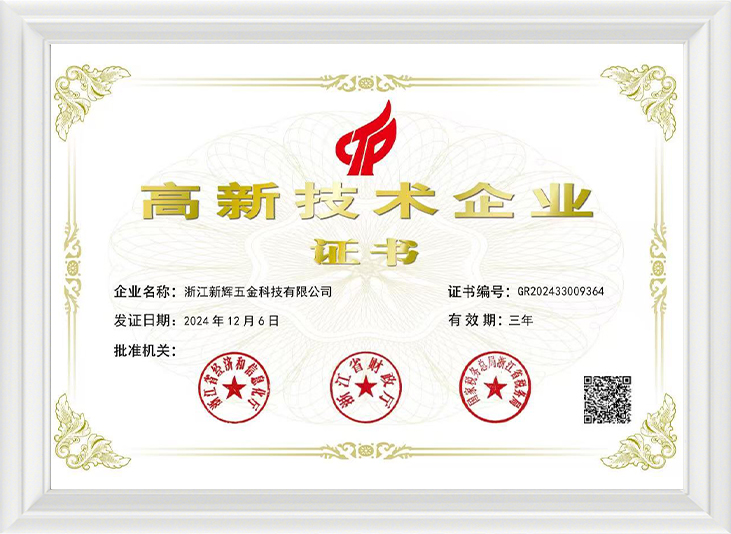
The company places great emphasis on modern management systems and has obtained the following certifications:
《ISO9001 Quality Management System Certification》
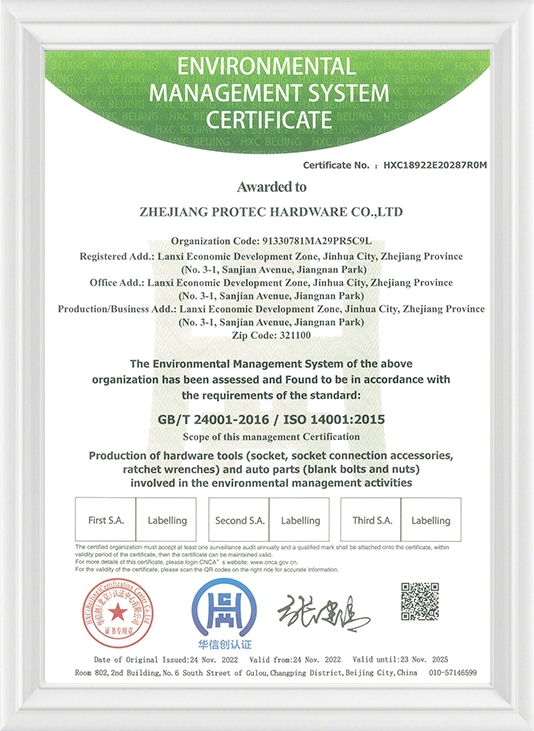
《ISO14001 Environmental Management System Certification》
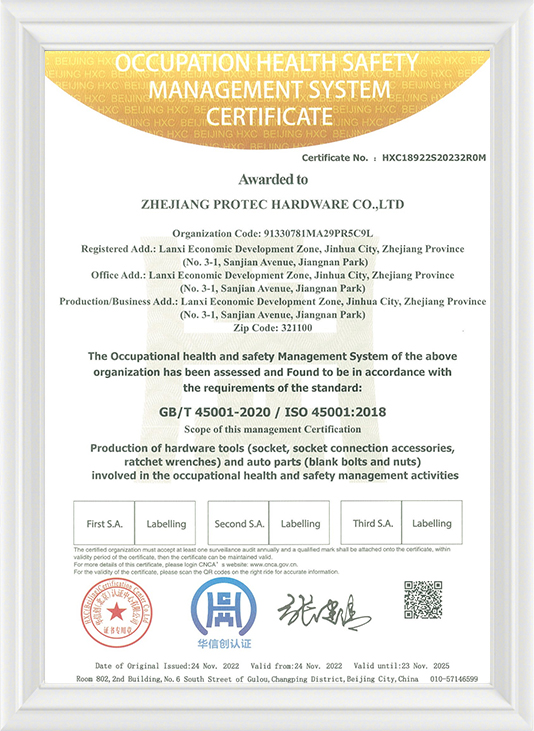
《ISO45001 Occupational Health and Safety Management System Certification》
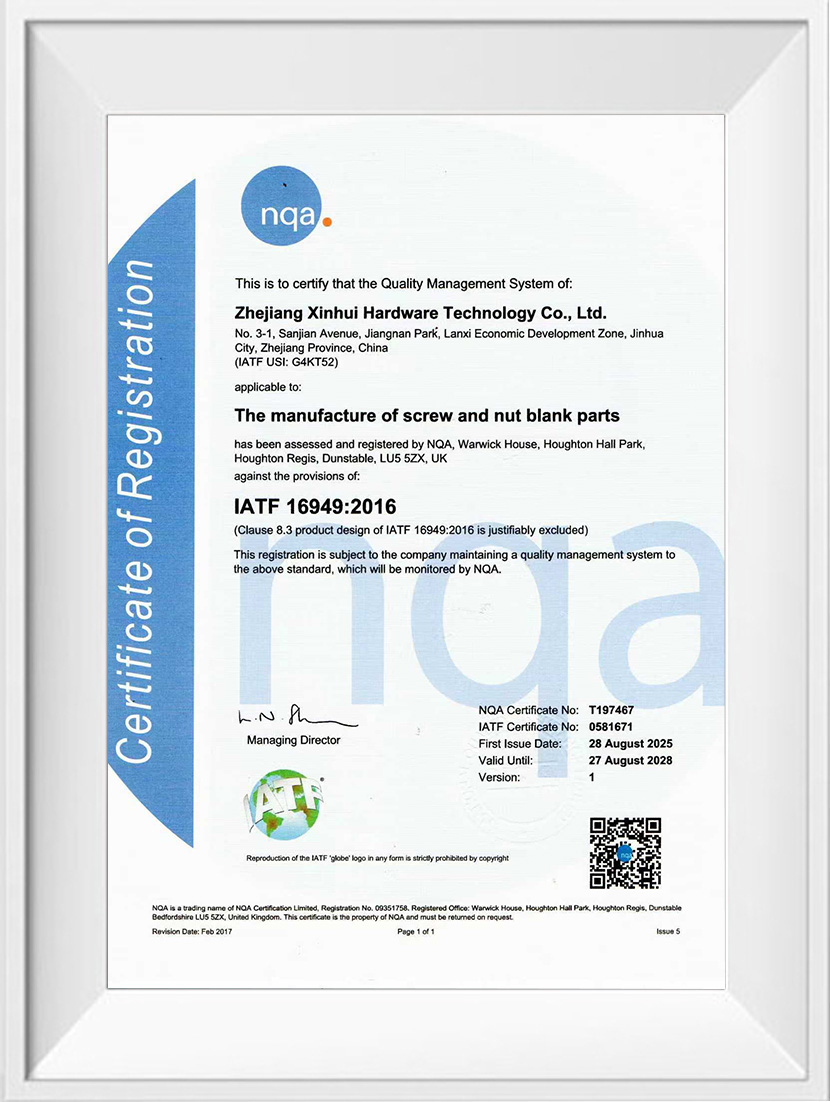
《IATF16949 Automotive Quality Management System Certification》
Ratchet Handle Factory
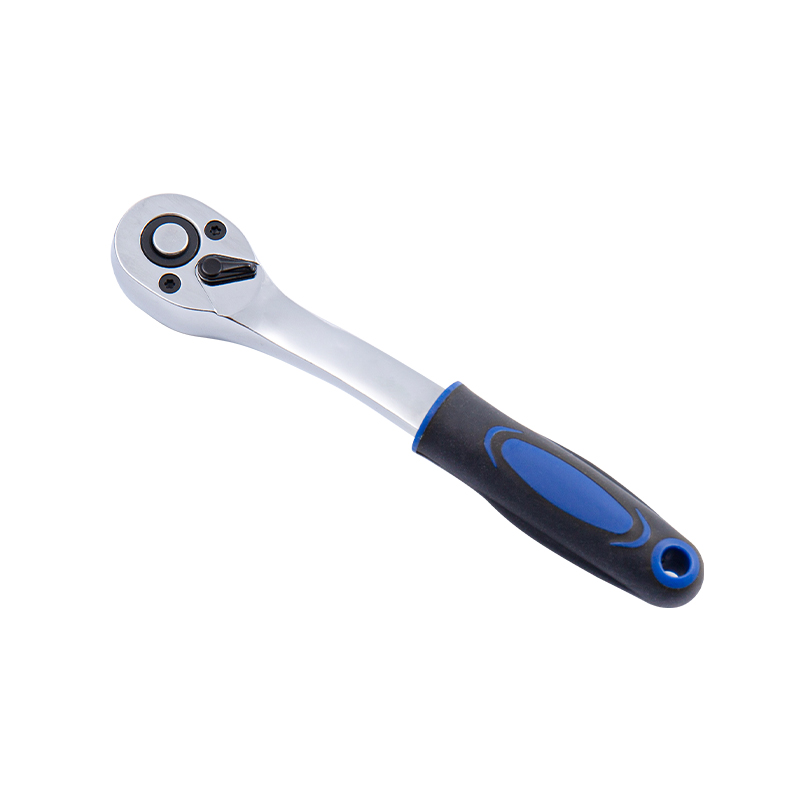
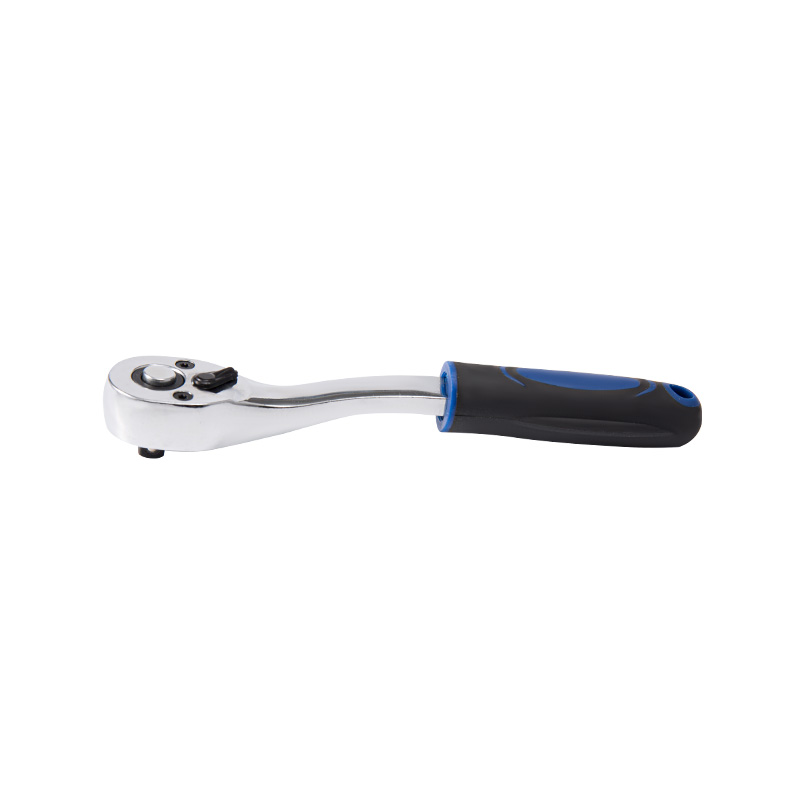
1/4" Dr. Quick-Release Ratchet Handle with Plastic Grip,Curved Handle, Full Polished (72T)
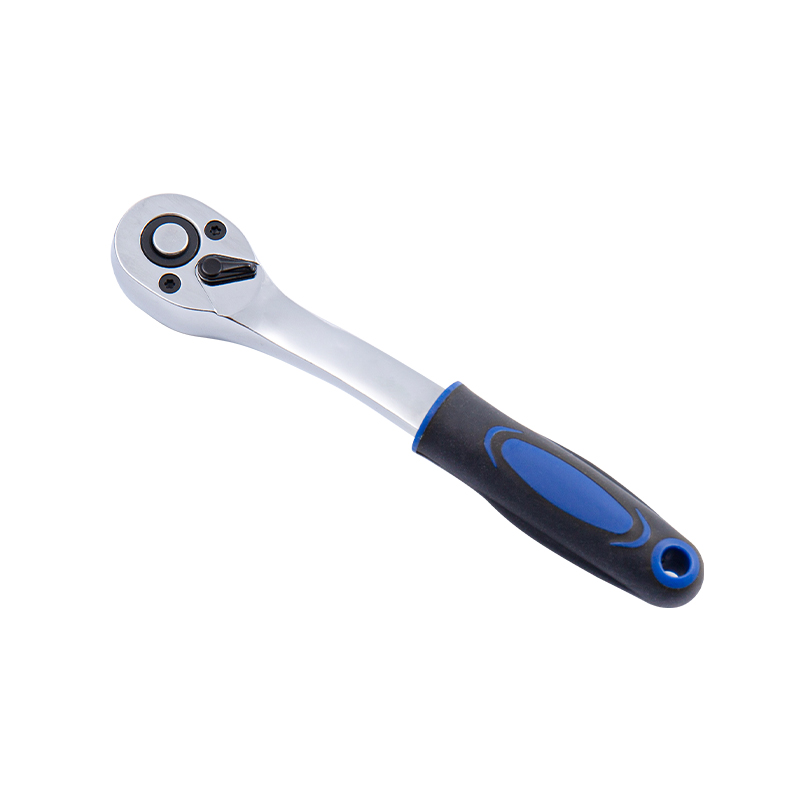
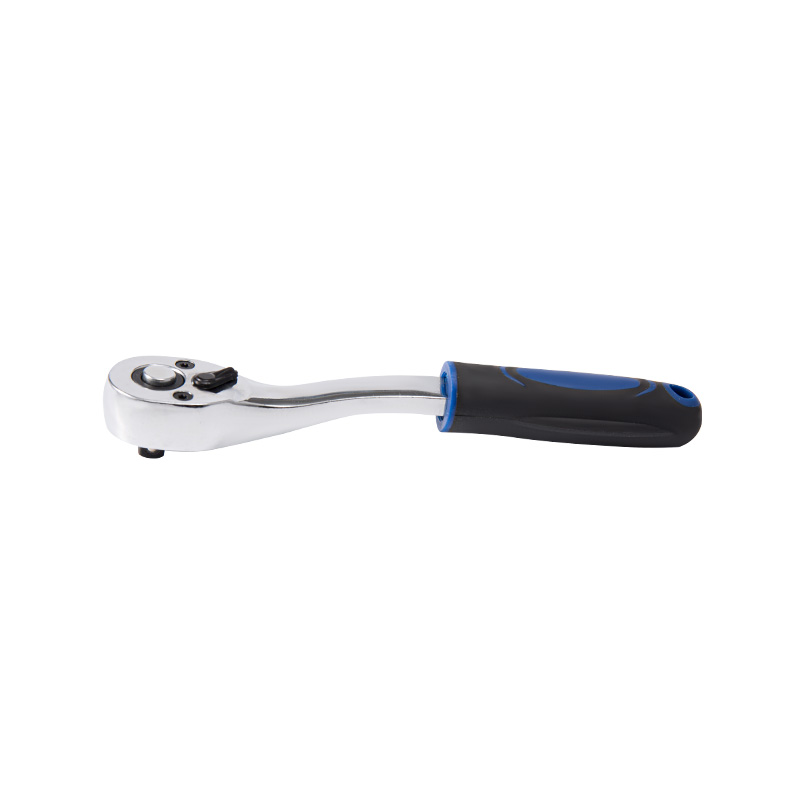
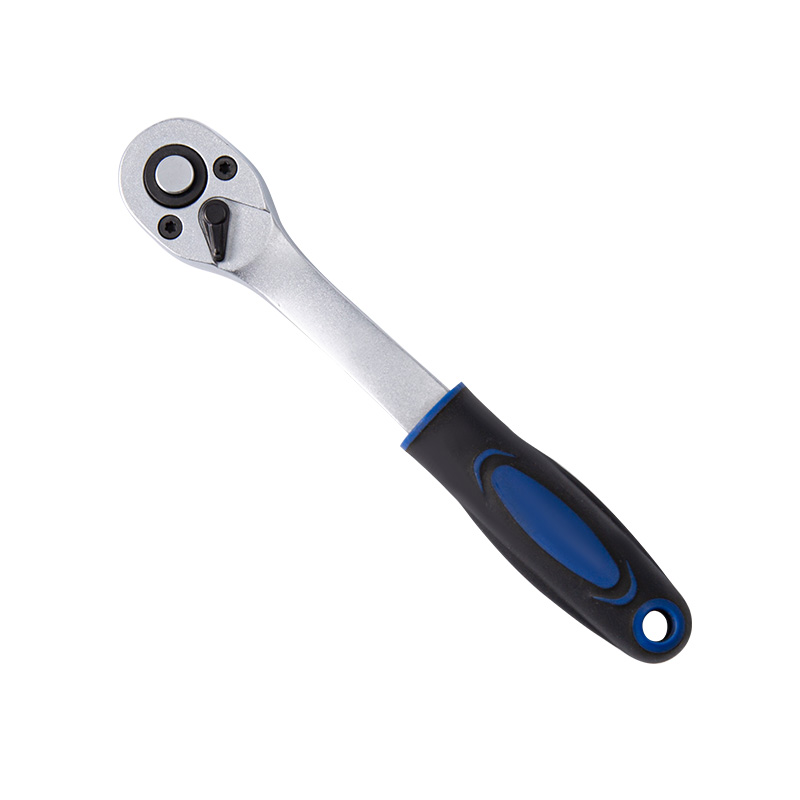
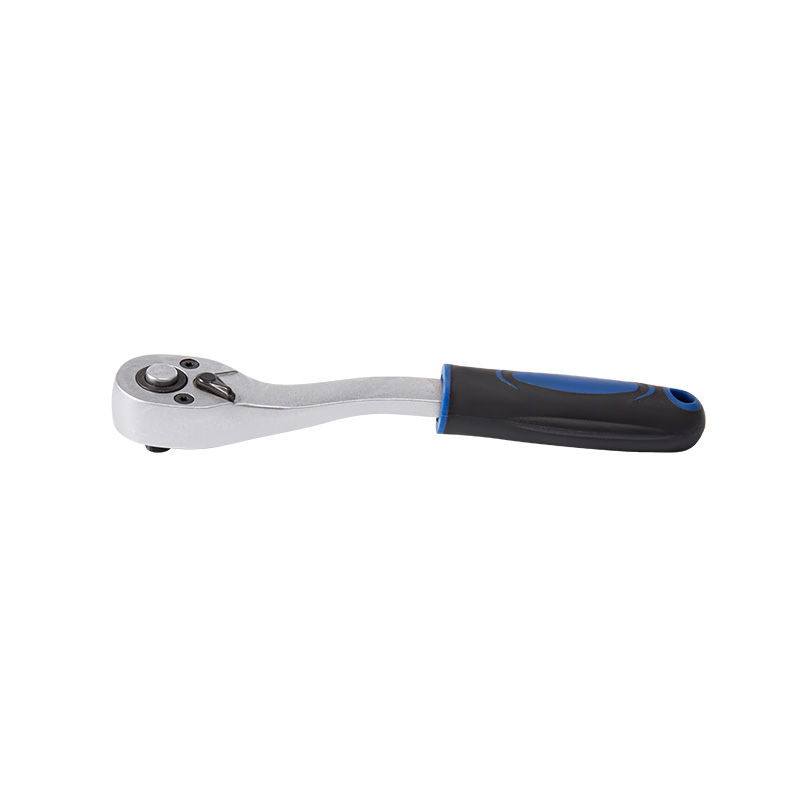
1/4" Dr. Quick-Release Ratchet Handle with Plastic Grip, Chrome Alloy Made,Reversible Switch (72T)
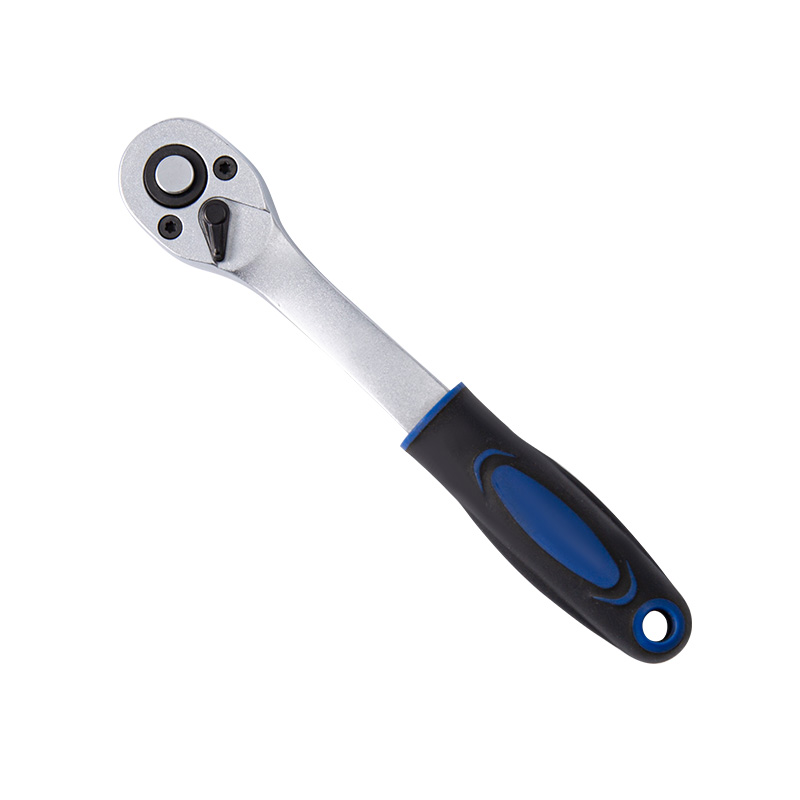
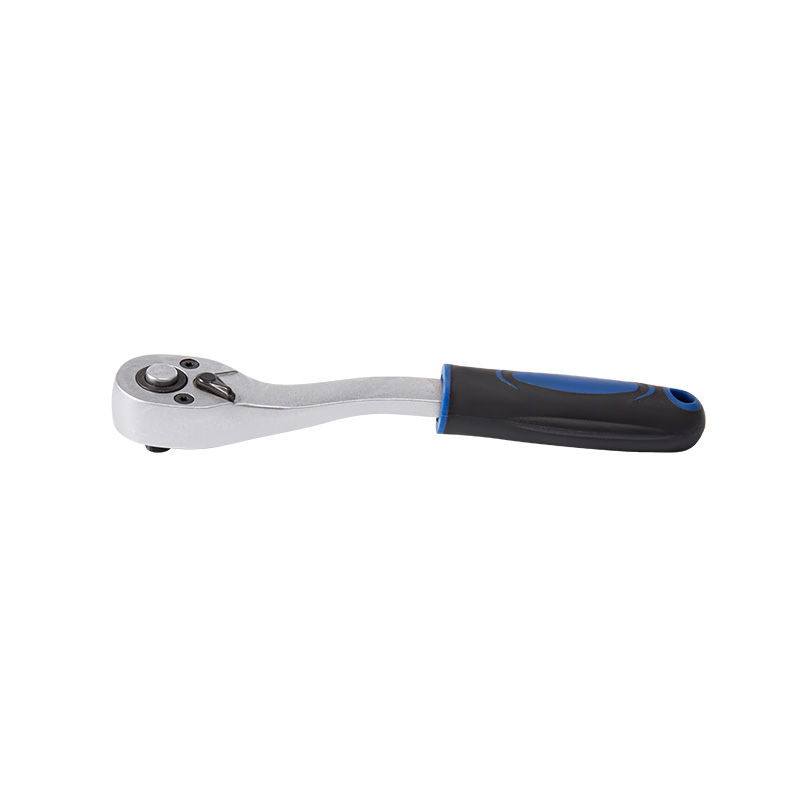
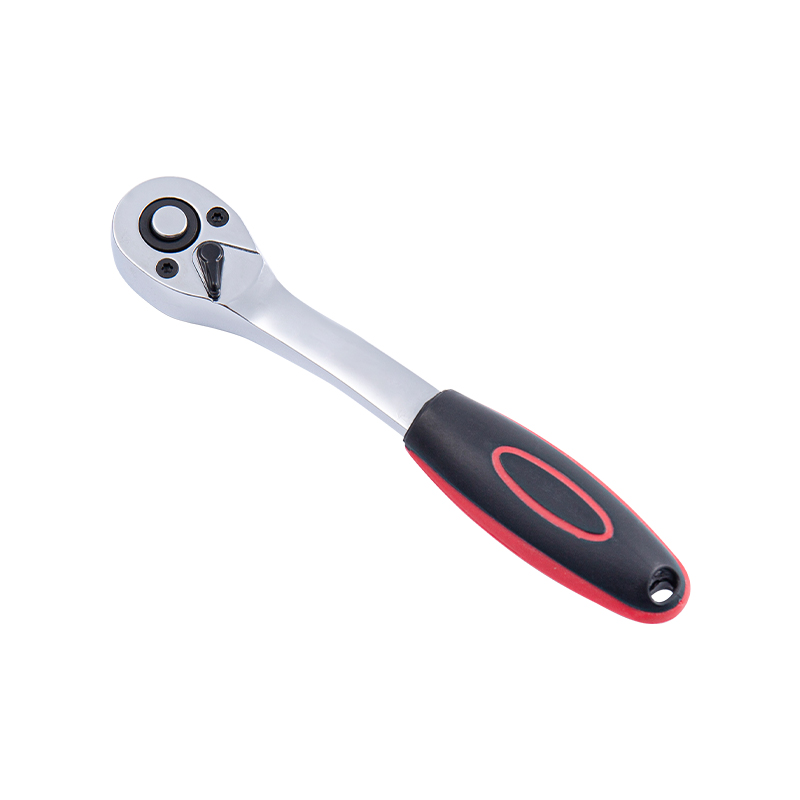
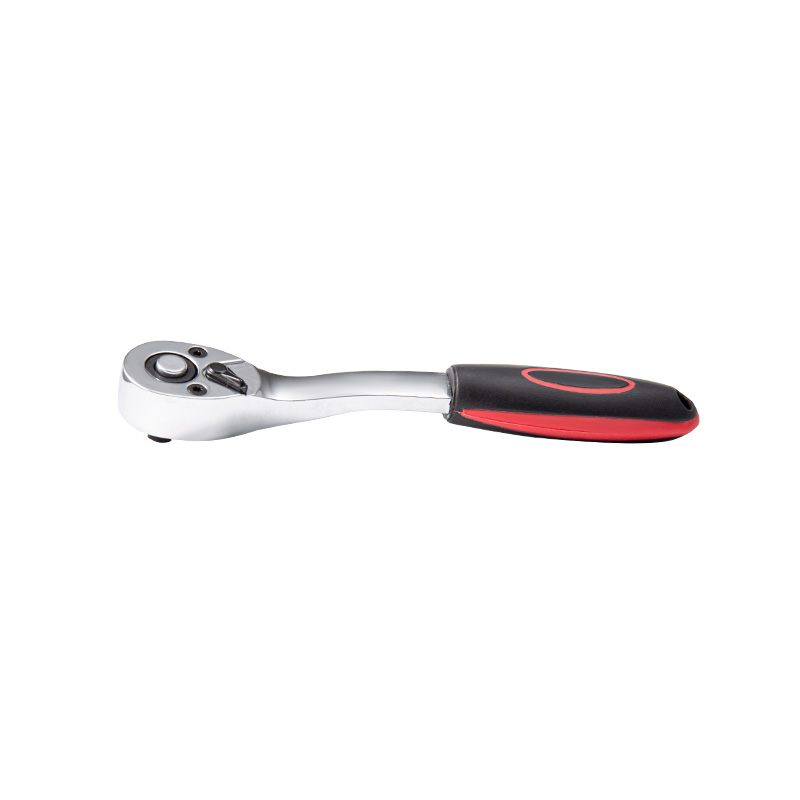
1/4" Dr. Quick-Release Ratchet Handle with Plastic Grip, Chrome Alloy Made, Mirror Finish(72T)
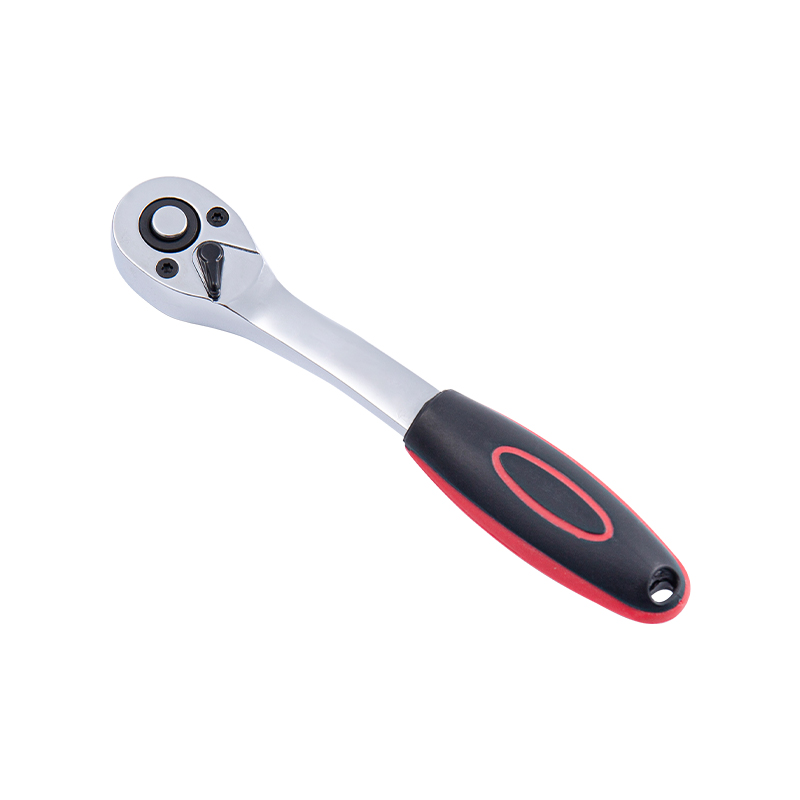
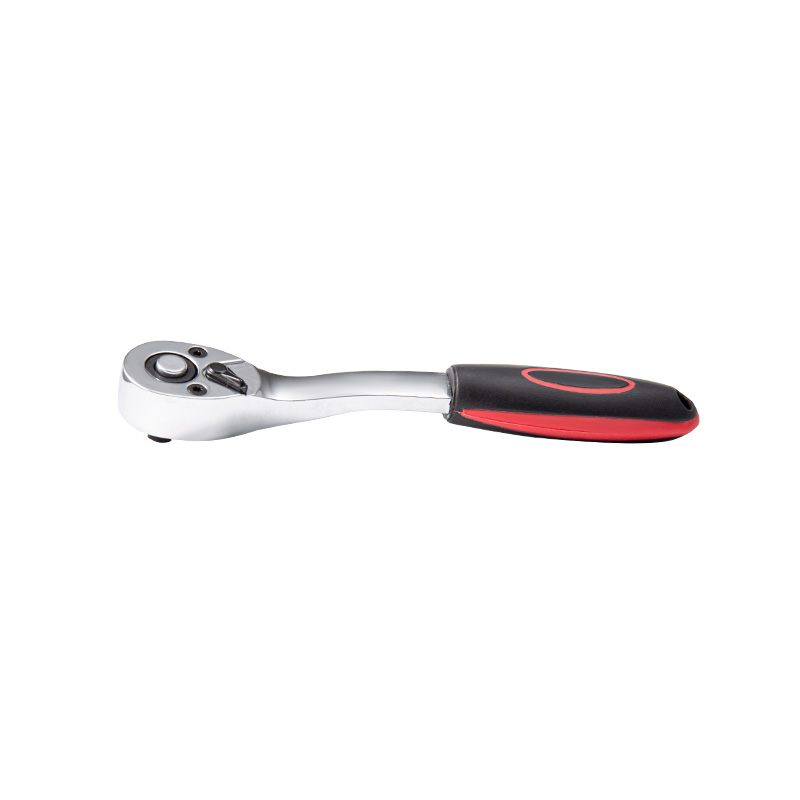
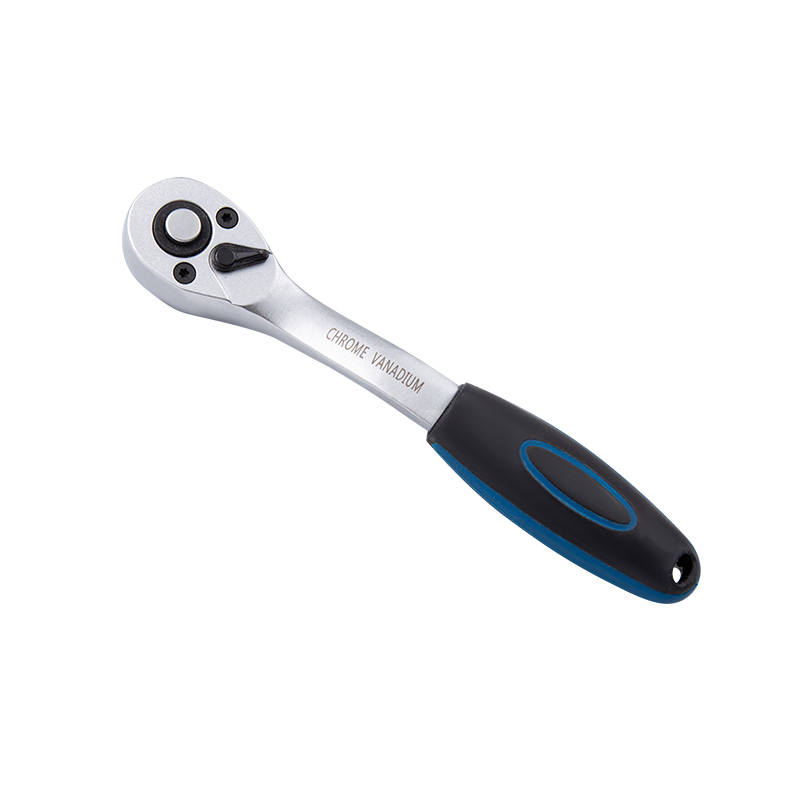
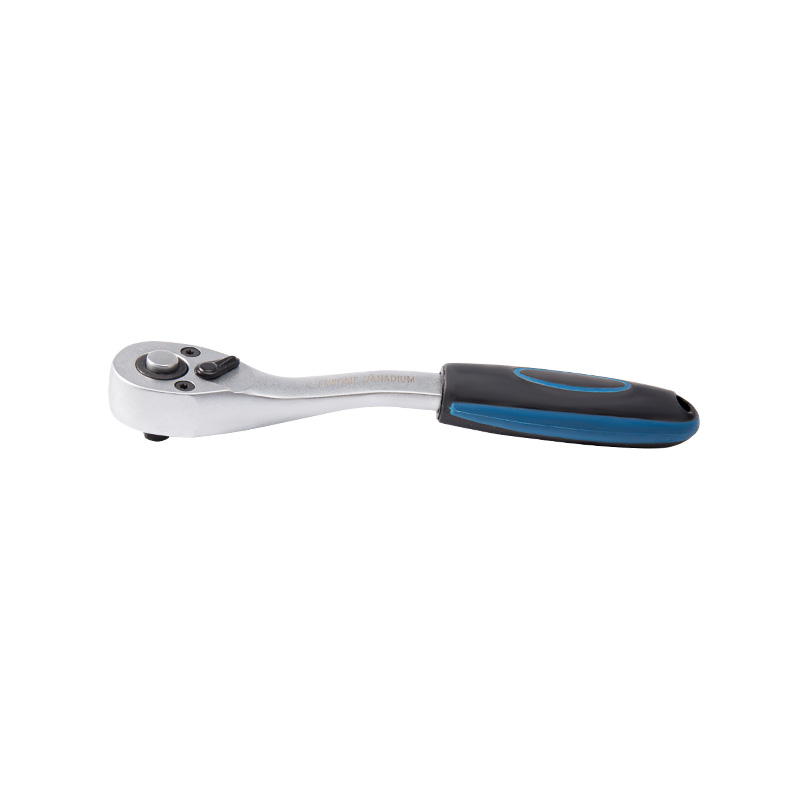
1/4" Dr. Quick-Release Ratchet Handle with Plastic Grip,Curved Handle,5° step ratchet mechanism(72T)
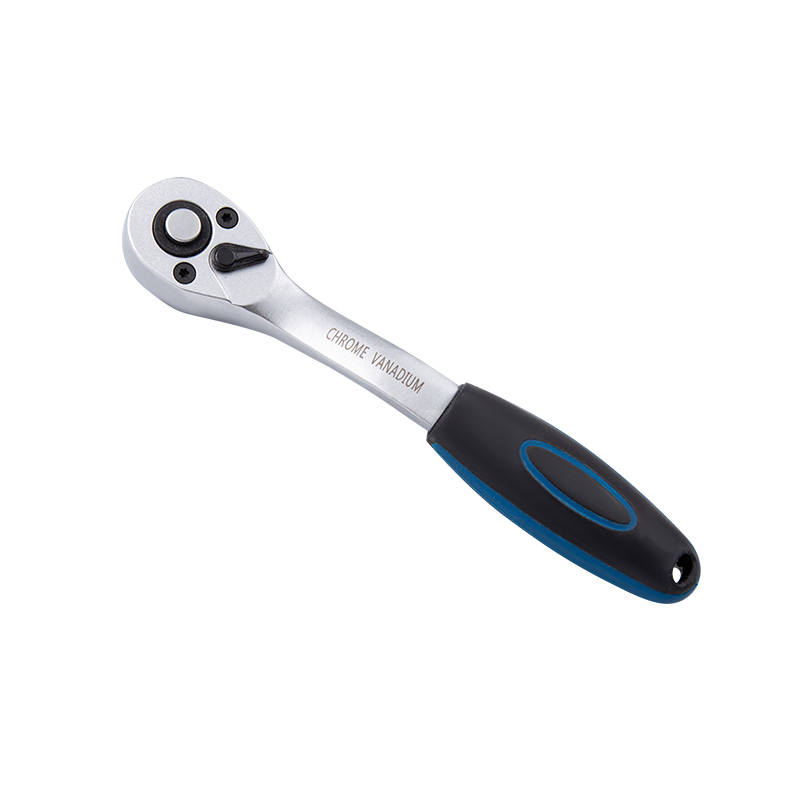
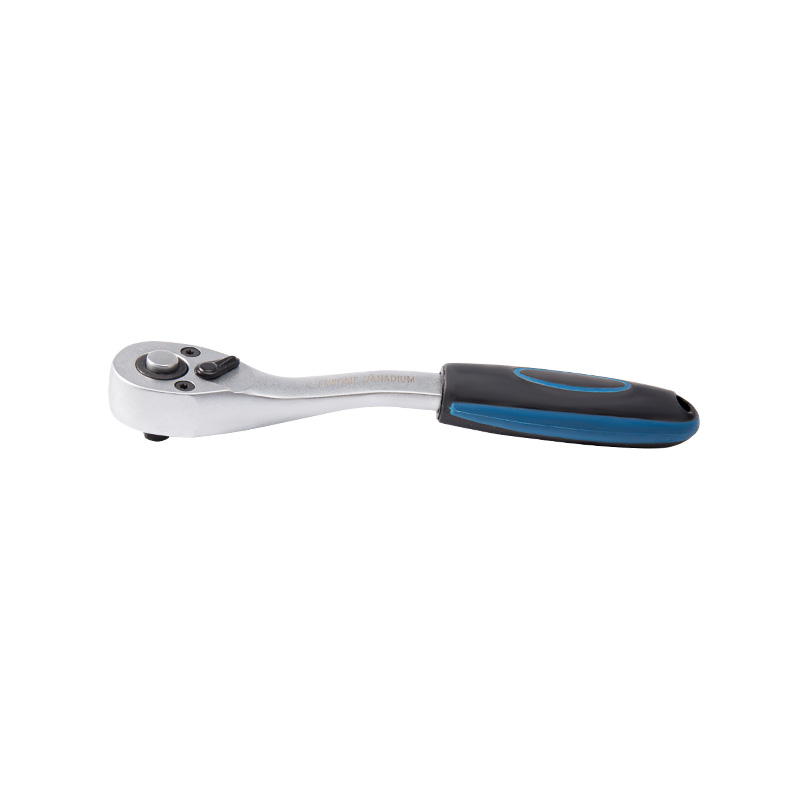
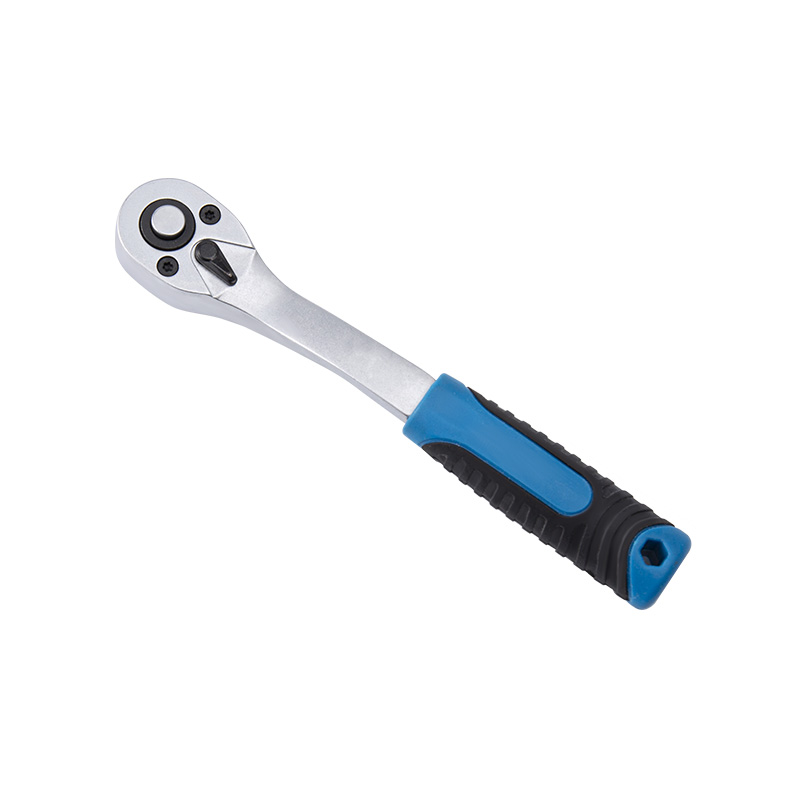
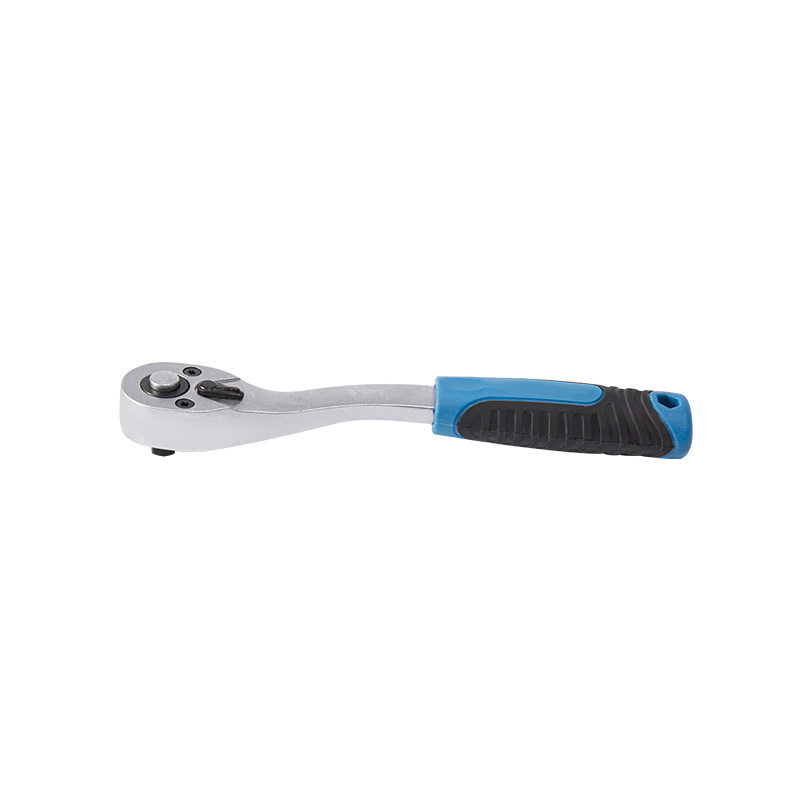
1/4" Dr. Quick-Release Ratchet Handle with Plastic Grip,5° step ratchet mechanism,Matte Finish (72T)
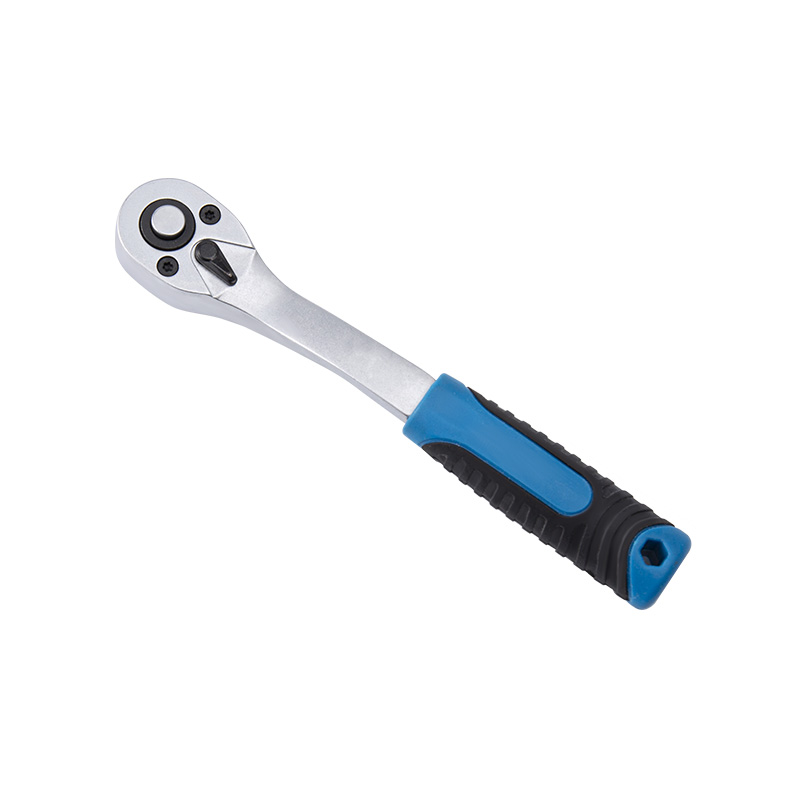
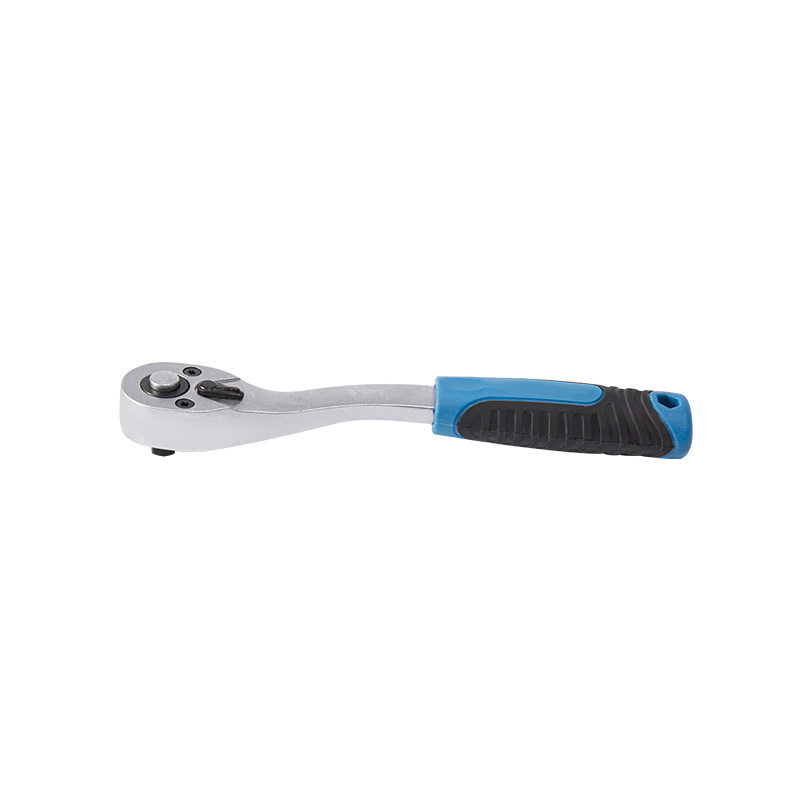
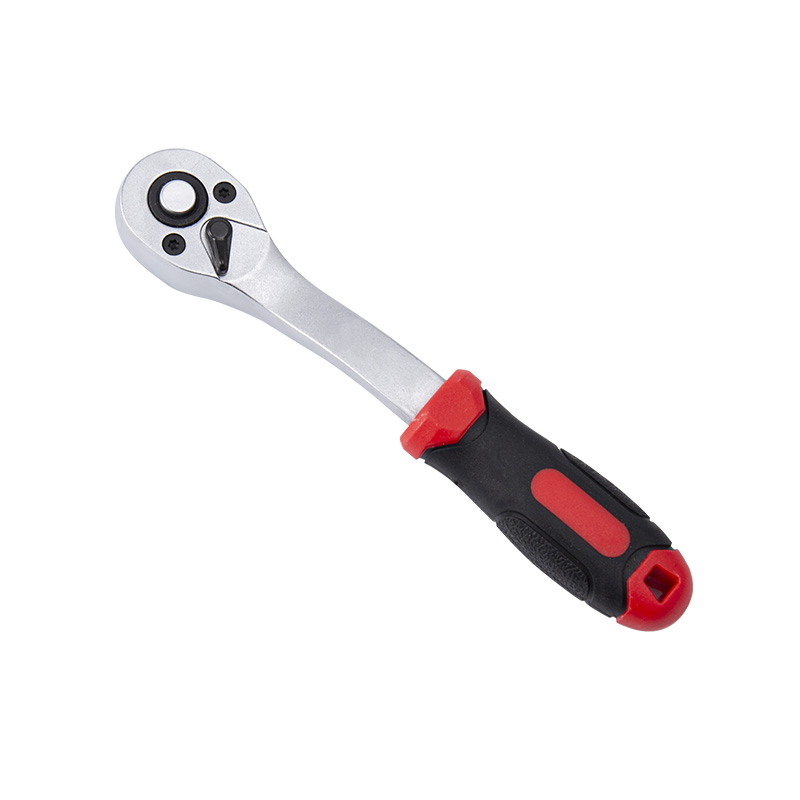
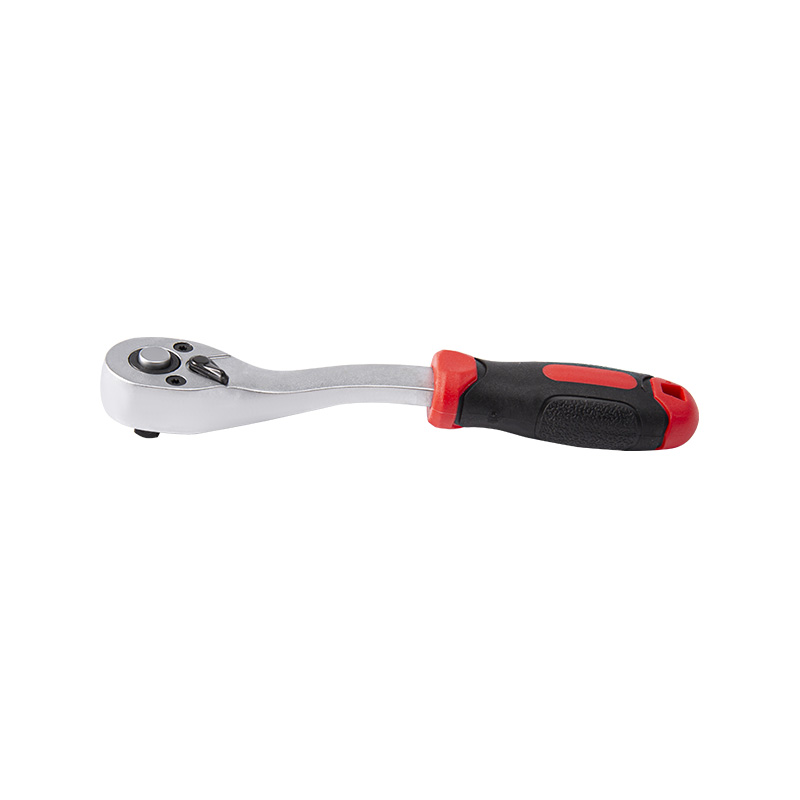
1/4" Dr. Quick-Release Ratchet Handle with Plastic Grip,1/4" Square Drive,Pear-Head (72T)
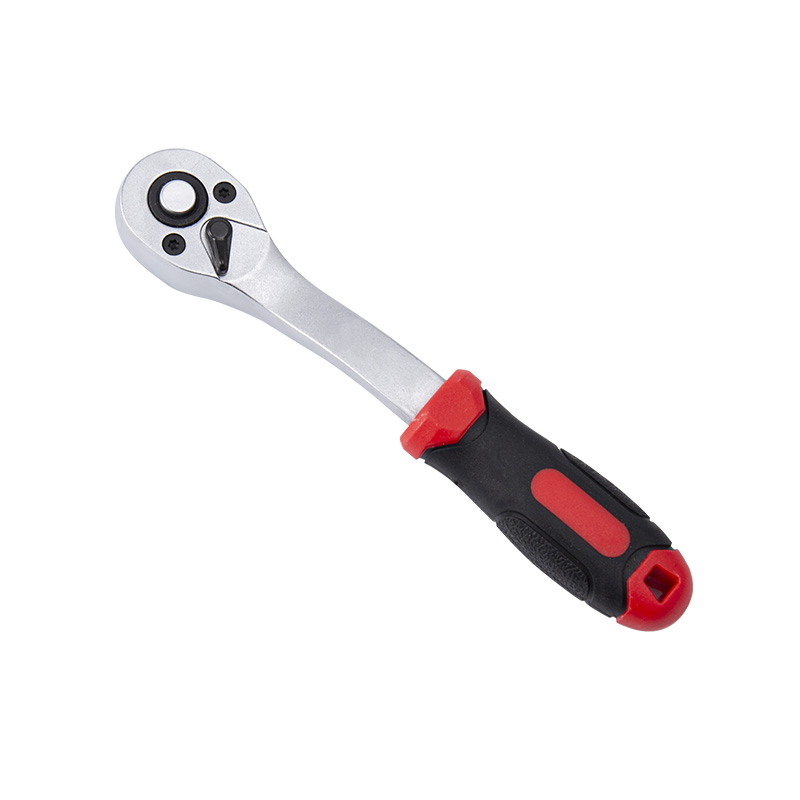
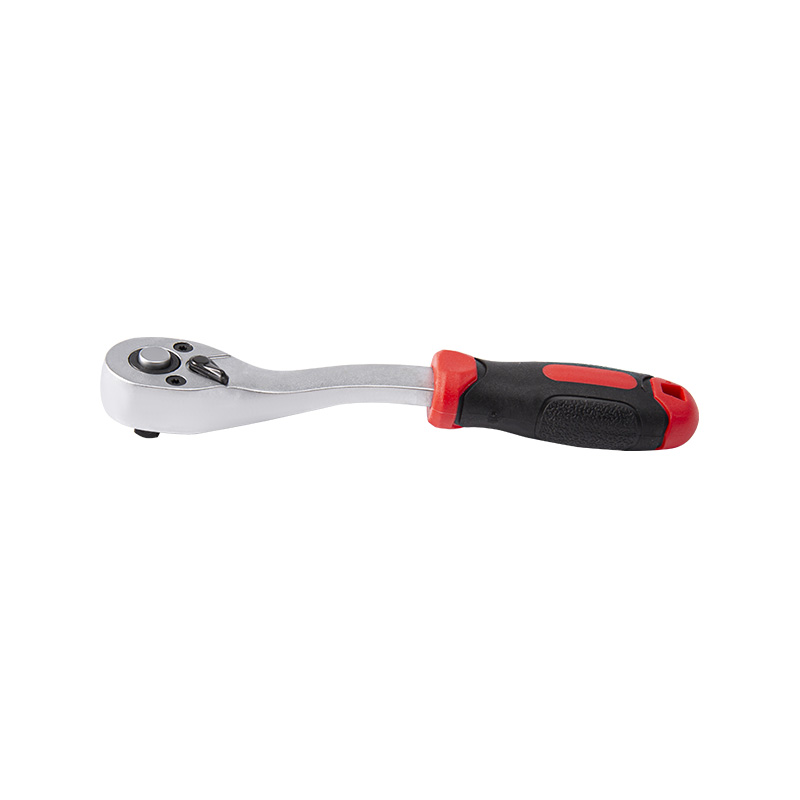
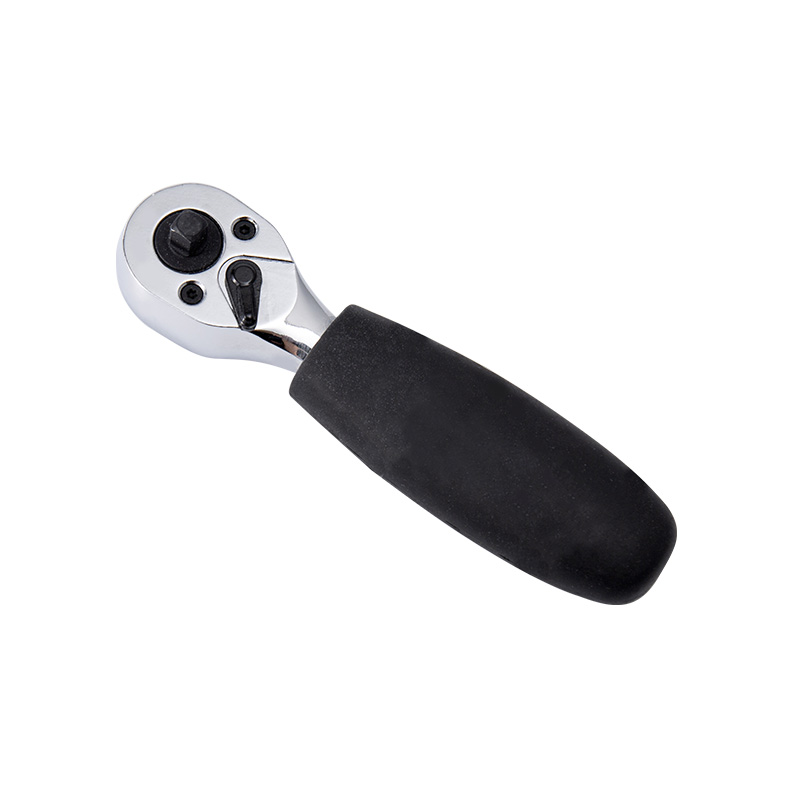
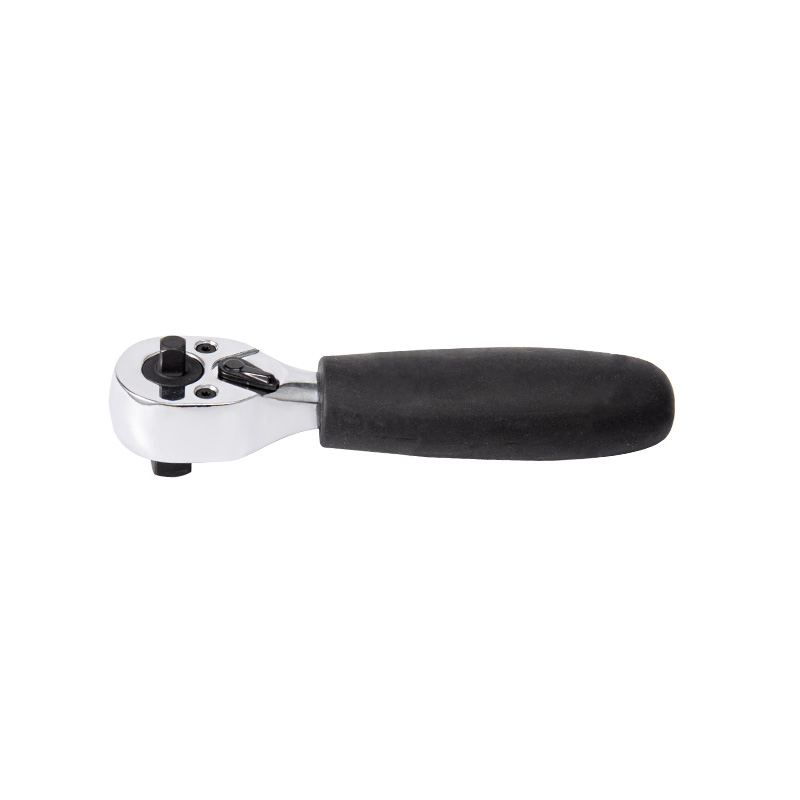
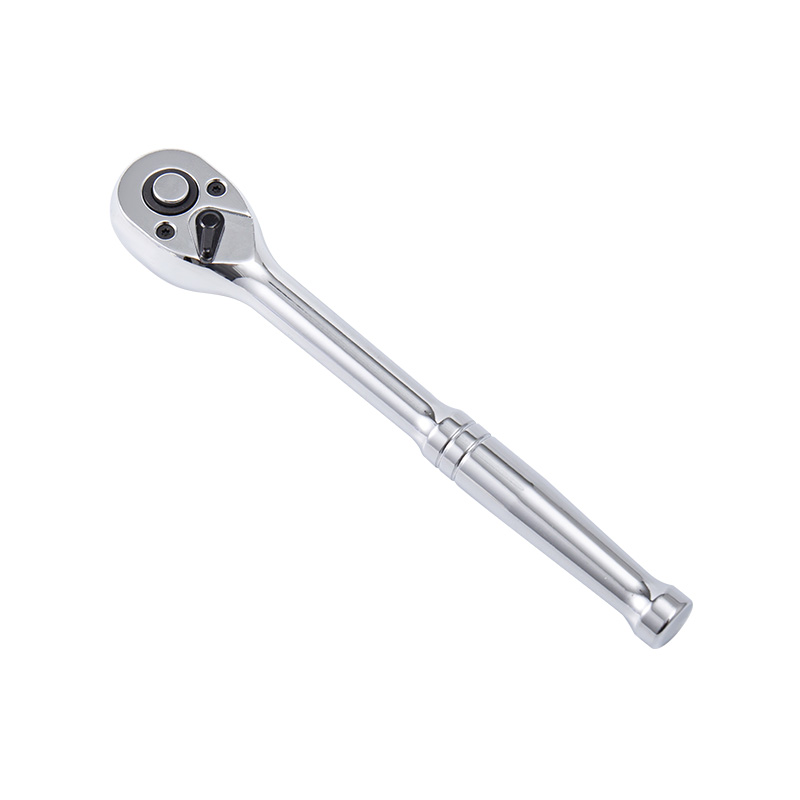
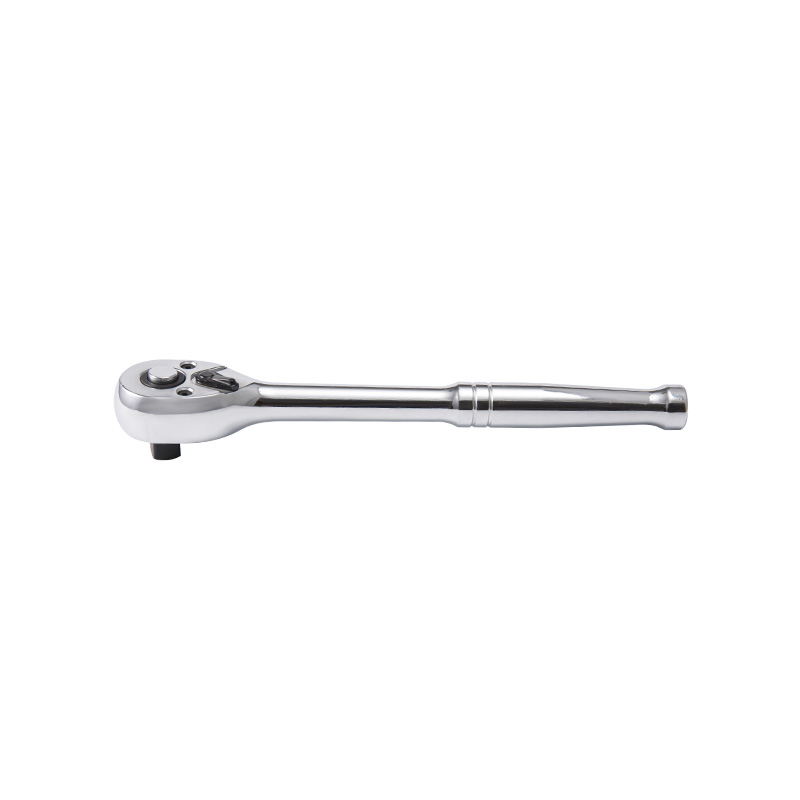
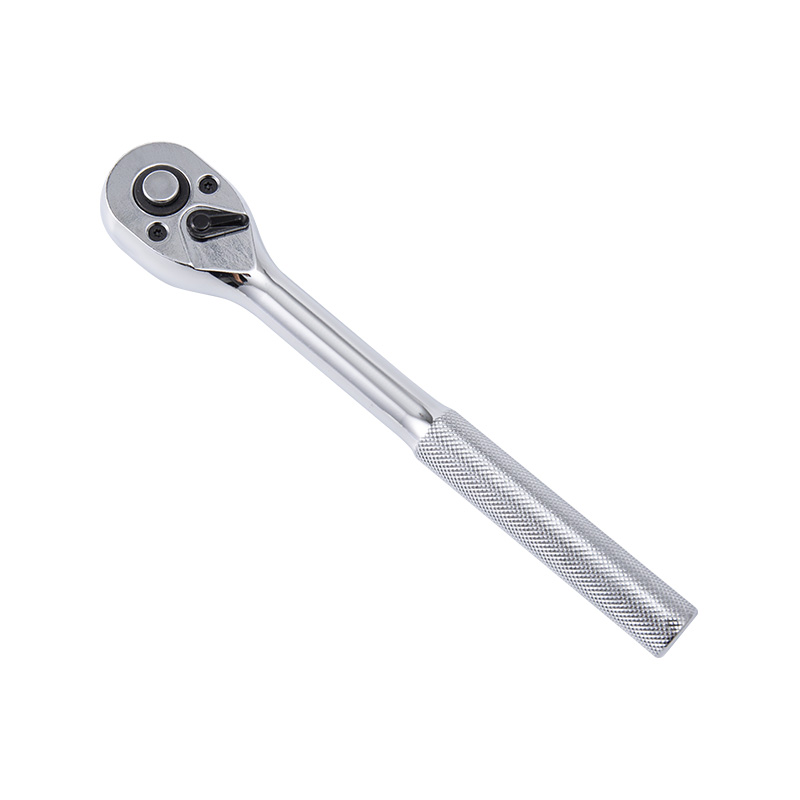
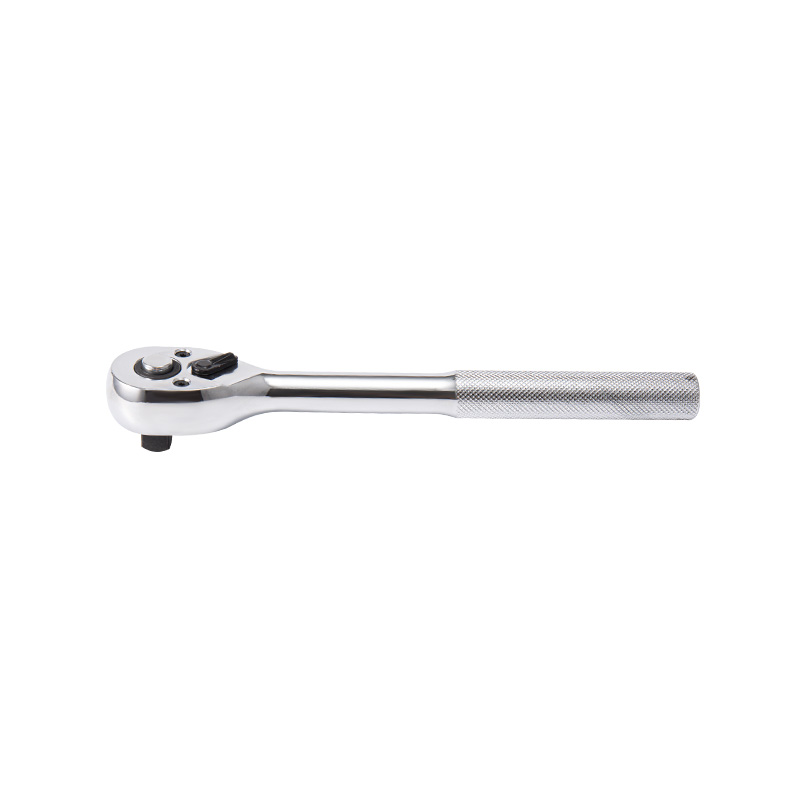
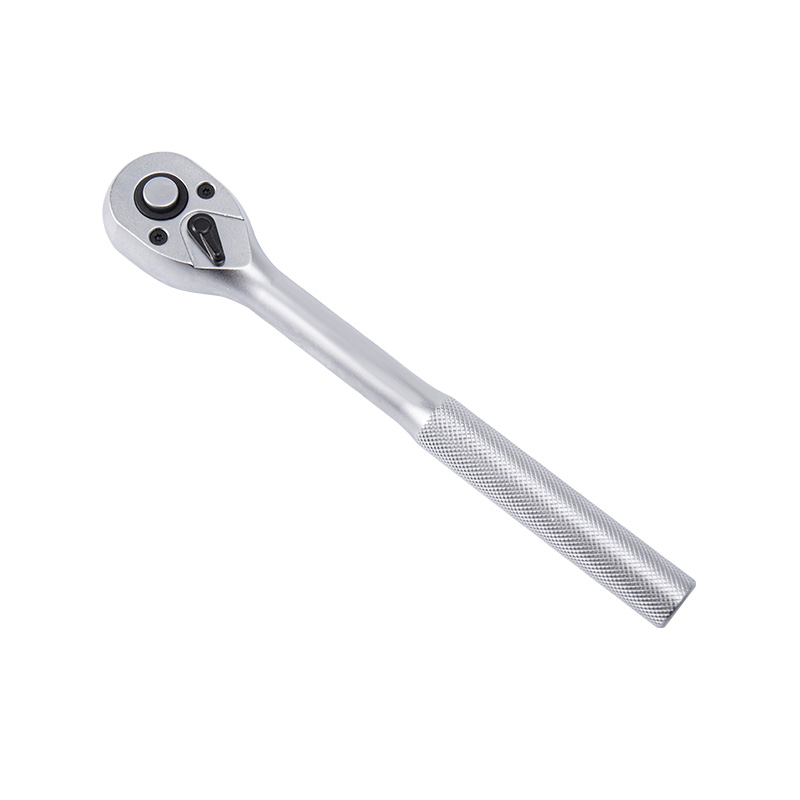
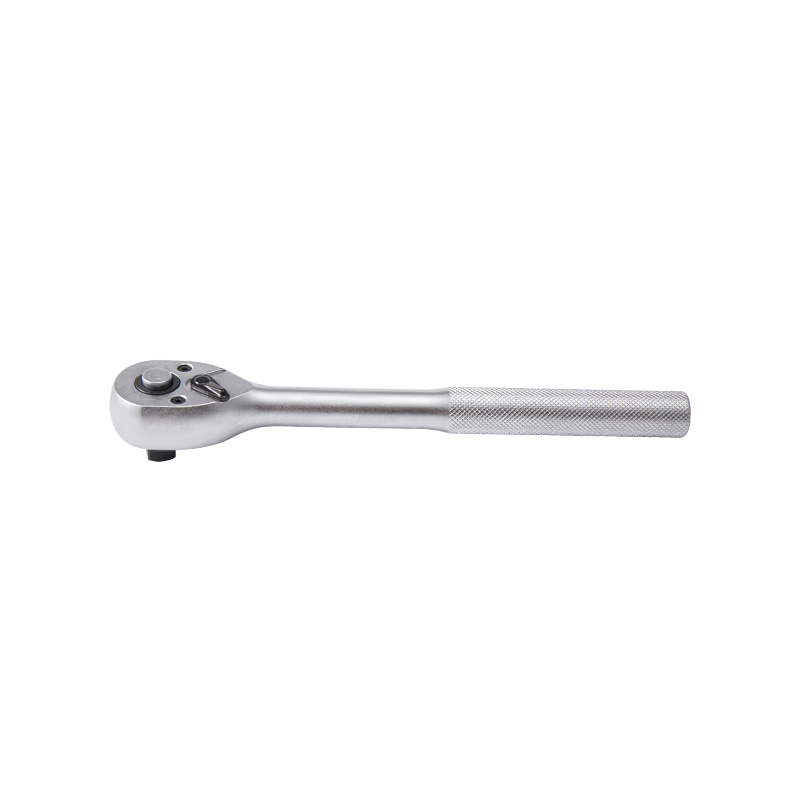
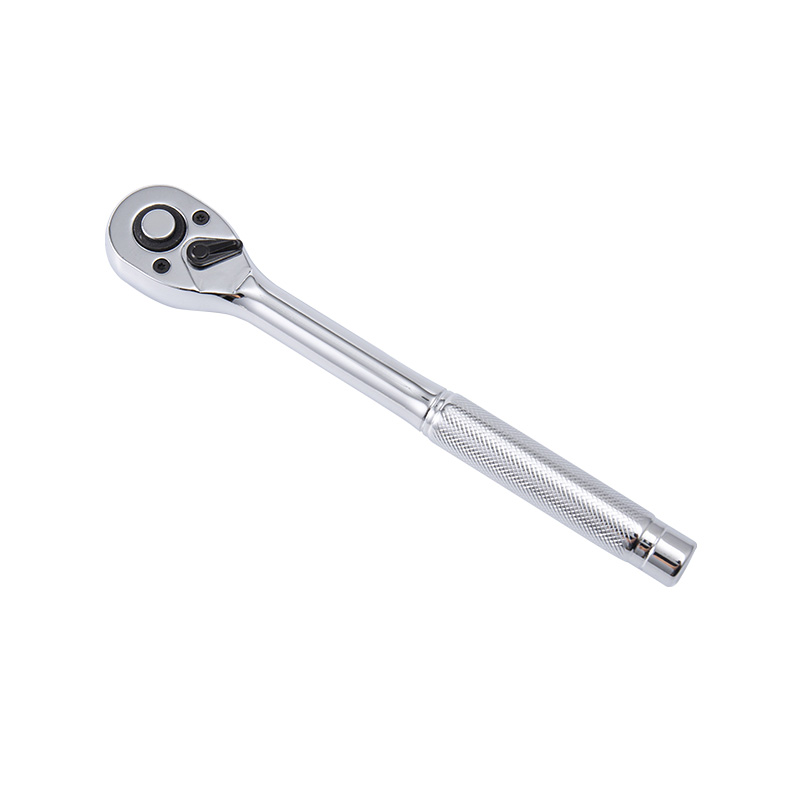
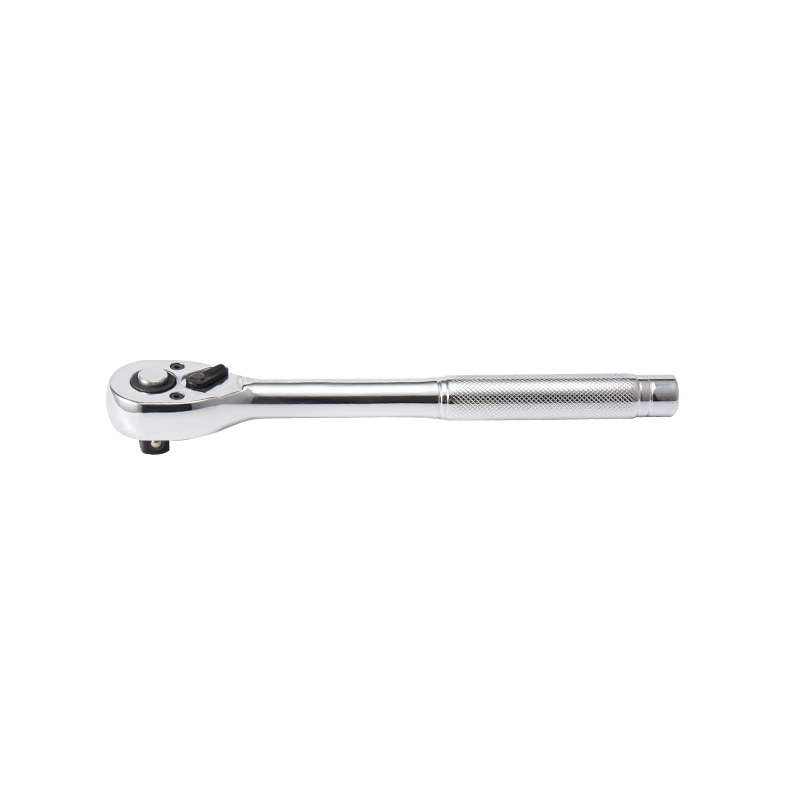
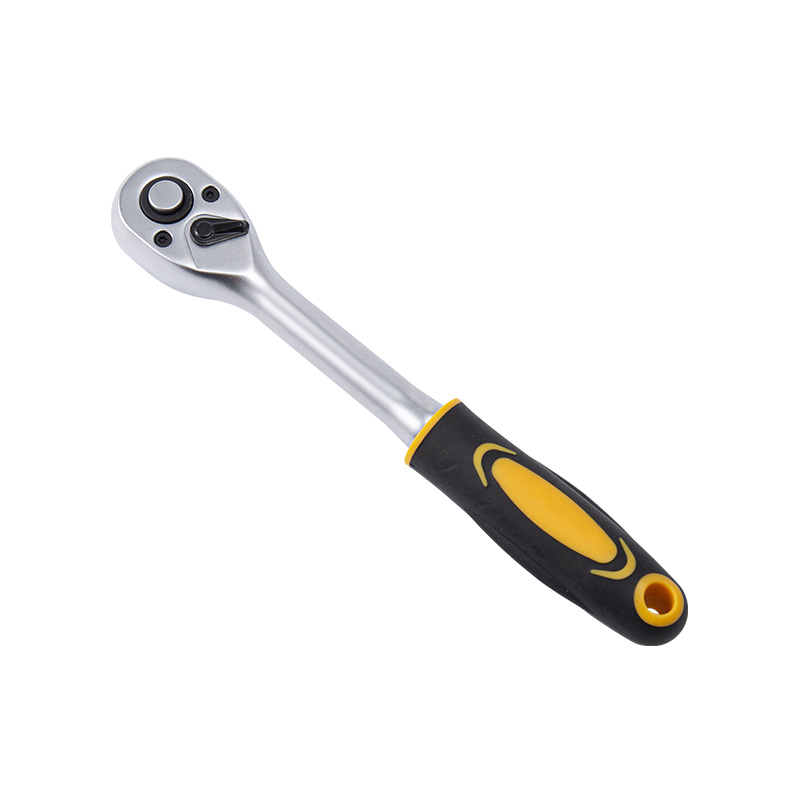
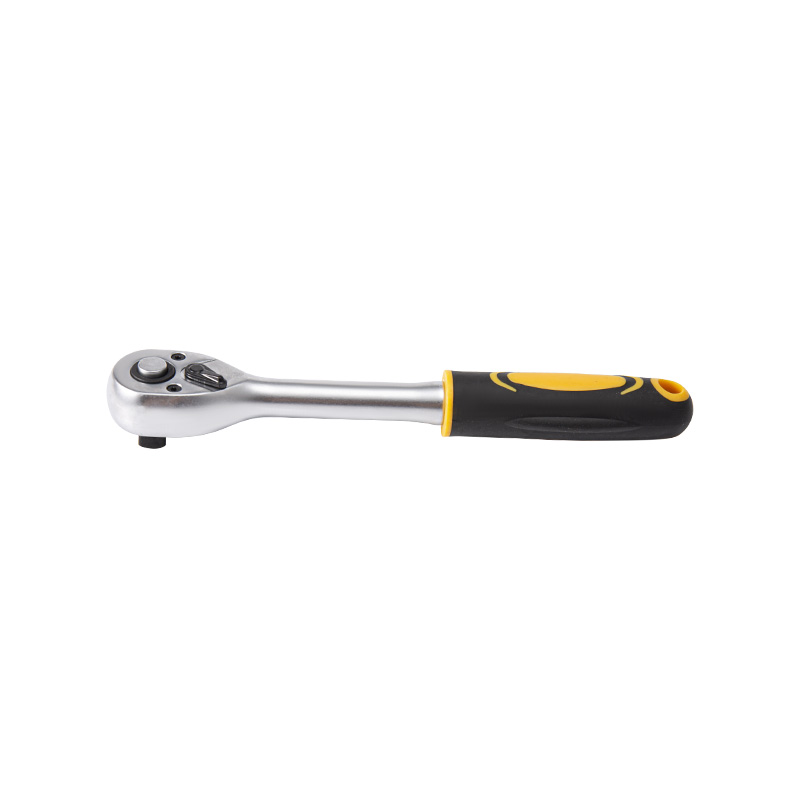
3/8" Dr. Quick-Release Ratchet Handle with Plastic Grip,Straight Handle, Reversible Switch (72T)
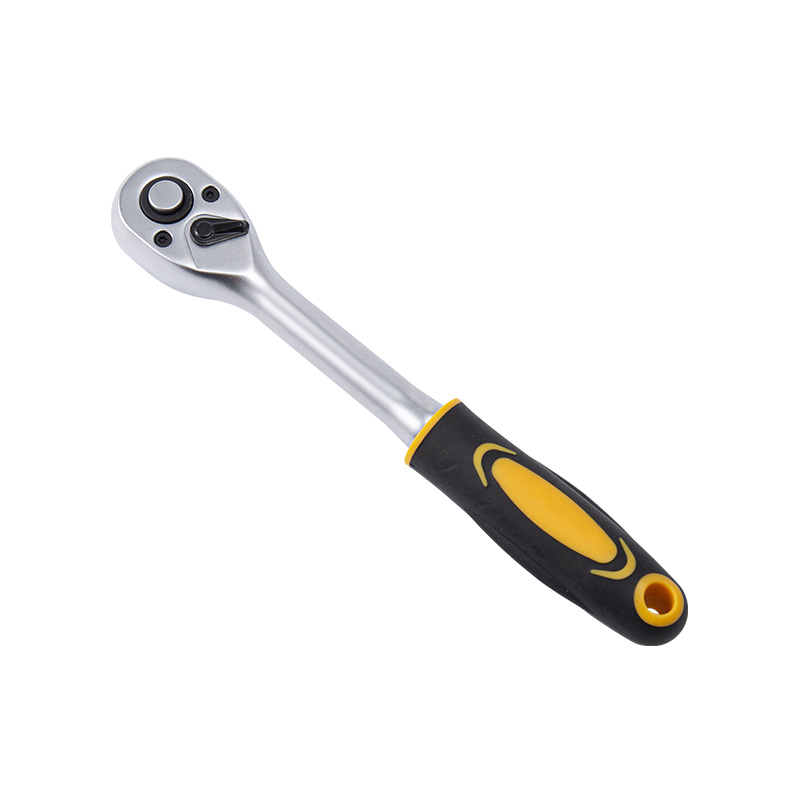
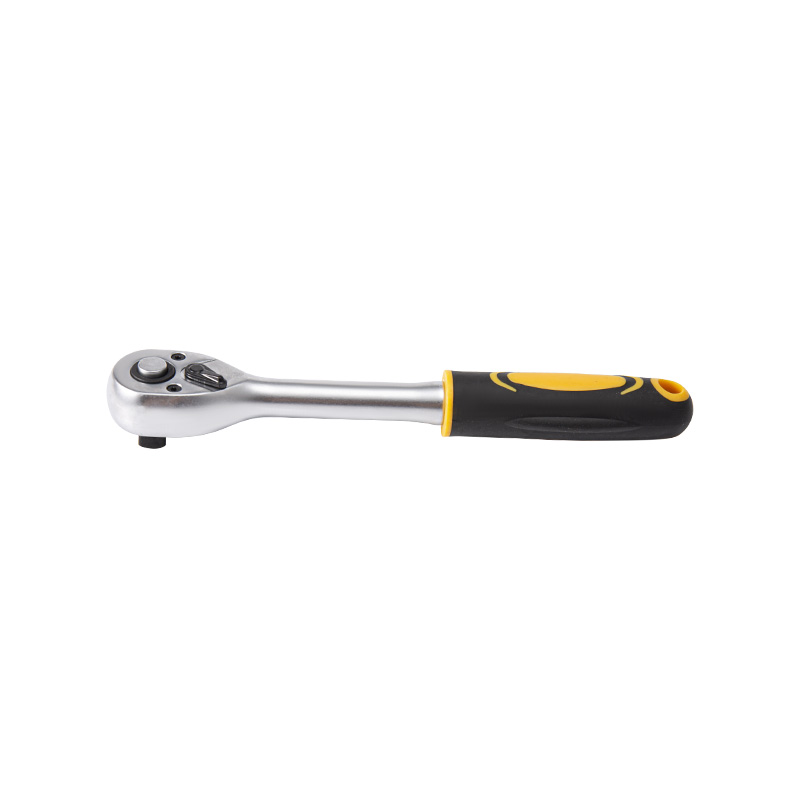
Ratchets are versatile hand tools used to tighten or loosen fasteners efficiently. They are characterized by their unique gear mechanism, which allows the tool to apply continuous rotational force without needing to remove the tool from the fastener. This mechanism provides significant advantages in terms of speed and ease of use, particularly in tight or confined spaces where the full rotation of a traditional wrench might be impractical.
Ratchets work through a set of gears and pawls. The gear mechanism engages with the socket or tool attachment, enabling the tool to turn in one direction while allowing the handle to move back and forth without affecting the fastener. This design allows users to perform repetitive tasks quickly, making ratchets an essential tool in both professional and home workshops.
1. Advanced Gear Mechanism
Our ratchets feature high-quality gear systems that deliver smooth and precise operation, essential for both fine and coarse adjustments.
Fine-Tooth Design: Our ratchets are equipped with fine-tooth mechanisms, which provide a smaller swing arc. This design is particularly advantageous in tight or confined spaces where limited movement is possible. The fine-tooth gear system ensures that each click of the ratchet is precise, reducing the need for repositioning and enhancing overall efficiency.
Durability and Reliability: The gears in our ratchets are constructed from hardened and tempered steel, ensuring durability and longevity. This robust construction minimizes gear wear and tear, even under heavy load conditions.
2. Ergonomic and Functional Design
Ergonomics plays a crucial role in the design of our ratchets, as we aim to provide users with a tool that is both comfortable and efficient. Our ratchets are designed with user experience in mind, ensuring that they are easy to handle and operate.
Comfortable Handle: Each ratchet features an ergonomically designed handle that offers a comfortable grip, reducing hand fatigue during extended use. The handle is crafted from high-quality, non-slip materials that provide a secure grip, even in oily or wet conditions.
Ratchet Action: The ratchet mechanism is designed to offer minimal resistance, enabling smooth and effortless operation. The ratchet's action is optimized to provide a balanced feel, making it easier to apply the necessary torque without straining the user's hand or wrist.
3. Versatility and Compatibility
Our ratchets are designed to accommodate a wide range of applications, making them versatile tools suitable for various tasks. They are compatible with an extensive selection of sockets and accessories, providing flexibility and adaptability.
Various Drive Sizes: We offer ratchets in multiple drive sizes, including 1/4-inch, 3/8-inch, and 1/2-inch drives. This range of drive sizes ensures compatibility with different socket types and sizes, making our ratchets suitable for both delicate and heavy-duty tasks.
Quick-Release Mechanism: Many of our ratchets feature a quick-release button that allows for fast and easy socket changes.
4. High-Quality Construction
The construction quality of our ratchets reflects our commitment to delivering products that withstand the rigors of professional use. Each ratchet is crafted from high-grade materials to ensure strength and durability.
Premium Materials: Our ratchets are made from chrome vanadium steel or equivalent high-strength alloys, providing good resistance to deformation and damage. The materials used in our ratchets are selected for their ability to endure high torque levels and resist corrosion.
Chrome Plating: The ratchets feature a chrome-plated finish that offers resistance to rust and corrosion. This plating not only enhances the tool's appearance but also extends its lifespan, ensuring that it remains in good condition even with frequent use.
About Us
Zhejiang Protec Hardware Co., Ltd.
Certificate Of Honor
News
-
The global automotive repair and maintenance industry is shifting toward faster workflows, higher precision requirements, and...
READ MORE -
The global automotive repair and maintenance industry is rapidly evolving as workshops face increasing pressure to improve ef...
READ MORE -
The automotive repair industry is evolving rapidly as vehicle designs become more compact, complex, and technology-driven. Me...
READ MORE -
Production lines that handle mixed fastener specifications often face interruptions caused by repeated tool replacement durin...
READ MORE
Ratchet Handle Industry Knowledge Extension
What Is a Ratchet Handle with Various Tooth Types?
A ratchet handle with various tooth types is designed to offer versatility and precision in fastening and loosening applications. The different tooth types, such as fine-tooth, medium-tooth, or coarse-tooth mechanisms, determine the angle of rotation and the level of control a user has over the fastener. Fine-tooth ratchets provide smaller increments of movement, making them suitable for tight spaces or delicate components, while coarse-tooth ratchets allow faster operation when space is less restricted.
These handles are typically constructed from durable alloys or chrome-vanadium steel, providing long-lasting strength and resistance to wear. Ergonomic designs often feature comfortable grips to reduce hand fatigue during extended use. Ratchet handles with multiple tooth types are widely applied in automotive repair, machinery assembly, industrial maintenance, and general mechanical work, allowing users to adapt their tool to different fastener requirements efficiently.
What Is a Ratchet Handle?
A ratchet handle is a fundamental hand tool in any workshop or mechanical setting. Its primary function is to provide controlled rotational motion to a socket or similar attachment, making the process of tightening or loosening nuts and bolts more efficient. The ratcheting mechanism allows continuous rotation in one direction while preventing movement in the opposite direction, eliminating the need to remove and reposition the handle repeatedly.
Ratchet handles come in various sizes and drive types, commonly including 1/4-inch, 3/8-inch, and 1/2-inch square drives. They are constructed to endure repeated torque applications, often featuring a polished or coated finish to resist corrosion. The design may include quick-release buttons or reversible levers for convenience, allowing users to switch directions smoothly. Ratchet handles are widely used in automotive repair, industrial assembly, and home maintenance tasks where efficiency and precision are important.
What Is a Ratchet Handle Metric Drive?
A ratchet handle metric drive refers to ratchet handles designed specifically to accommodate metric sockets, measured in millimeters. This type of tool is essential for applications where metric fasteners are standard, such as vehicles manufactured for European and Asian markets or machinery designed with metric components.
Metric drive ratchets are available in different drive sizes to match socket sets, ensuring proper torque application and tool compatibility. They often feature durable construction, precise gear engagement, and ergonomic handles for comfort and control. Metric ratchet handles are versatile, suitable for automotive repair, mechanical workshops, and general maintenance projects where metric fasteners are used. They allow professionals and hobbyists alike to work efficiently, providing consistent performance across multiple applications.
Why Choose Ratchet Handles with Various Tooth Types and Metric Options?
Choosing ratchet handles with different tooth types and metric drive compatibility offers flexibility and efficiency in everyday mechanical tasks. Users can select a fine-tooth handle for delicate work or a coarse-tooth handle for quick fastening, while ensuring compatibility with metric fasteners. This combination reduces the need to carry multiple specialized tools, simplifying workflow and saving time.
These ratchet handles also offer safety and reliability. The ratcheting mechanism minimizes slippage and allows controlled torque application, reducing the risk of damaging fasteners or components. Many designs feature ergonomic handles with non-slip grips, which help reduce hand strain during repetitive tasks. Durability is enhanced through the use of high-strength steel alloys, corrosion-resistant coatings, and precise machining of gear teeth for smooth operation.
In workshops and industrial environments, the availability of both fine and coarse tooth ratchets along with metric drive options allows professionals to adapt quickly to different fasteners and tight spaces. These tools support a wide range of mechanical tasks, including automotive repairs, machine assembly, maintenance work, and general industrial applications. Their versatility and design ensure that users have a reliable tool for accurate and efficient fastening work.
Applications of Ratchet Handles in Professional Work
Ratchet handles are widely applied across automotive, industrial, and mechanical environments. They are essential for tasks such as assembling machinery, repairing engines, maintaining equipment, and performing general maintenance. Handles with multiple tooth types allow precise work in tight spaces, while metric drive options ensure compatibility with global standards for fasteners.
Technicians and engineers rely on ratchet handles for their ability to reduce effort, maintain control, and enhance efficiency. In combination with socket sets, extensions, and universal joints, these tools provide complete solutions for a wide variety of fastening and assembly operations. Properly maintained ratchet handles can last for many years, supporting ongoing mechanical work with consistent performance and reliability.


Copyright © Zhejiang Protec Hardware Co., Ltd.

Wholesale Ratchet Handle