

 En
En English
 简体中文
简体中文
Home / News / Industry News / How Are Modern Vehicle Designs Changing the Requirements for Automotive Repair Tools?

Industry News
2026-06-05
How Are Modern Vehicle Designs Changing the Requirements for Automotive Repair Tools?
The automotive repair industry is evolving rapidly as vehicle designs become more compact, complex, and technology-driven. Mechanics, workshop owners, maintenance contractors, and tool distributors are increasingly searching for tools that improve efficiency in confined working spaces while maintaining durability under daily professional use. Recent industry discussions and social media content show growing interest in faster repair workflows, technician productivity, and tool versatility.
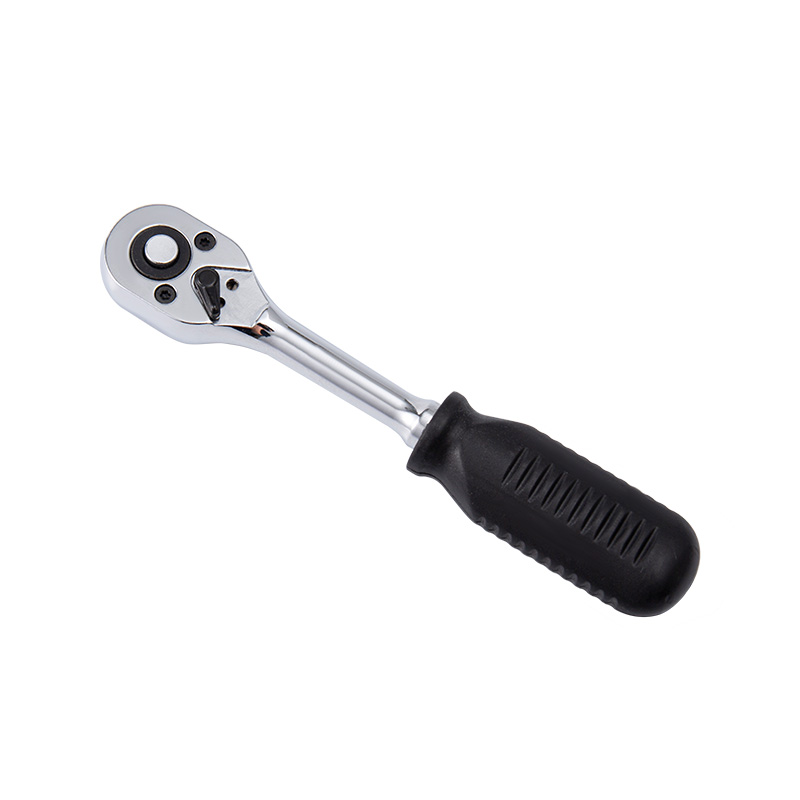
Search trends such as “high tooth count ratchet for tight spaces,” “professional socket tools for automotive repair,” and “durable mechanic hand tools for workshop use” highlight a clear shift in buyer priorities. Today's professionals are not only looking for strength and reliability but also for tools that help reduce repair time and improve accessibility.
Compact Engine Bays Are Creating New Repair Challenges
Modern vehicles are designed to maximize interior space while reducing overall vehicle size. As a result, engine compartments and service areas often become more crowded.
Technicians frequently encounter:
- limited swing angles when loosening fasteners
- restricted access around engine components
- reduced working space near suspension systems
- increased difficulty reaching hidden bolts
These challenges make traditional hand tools less effective in many repair scenarios, driving demand for more refined ratcheting solutions.
Efficiency Has Become a Key Factor for Professional Workshops
Labor costs continue to rise in many markets, making technician productivity a critical business concern. Workshop owners increasingly evaluate tools based on how much time they save during routine maintenance and repairs.
Important considerations include:
- faster fastening and loosening operations
- reduced technician fatigue
- improved workflow efficiency
- compatibility with different repair applications
For professional service centers, even small improvements in repair speed can significantly enhance daily operational efficiency.
Ratchet Mechanism Design Directly Affects Performance
One of the discussed topics among professional mechanics is ratchet tooth design. Different tooth counts can influence how effectively a tool performs in confined working environments.
Key performance benefits often sought by buyers include:
- smoother operation in narrow spaces
- shorter handle movement requirements
- improved control during precision work
- reliable engagement under repeated use
This is why tooth configuration has become an important evaluation factor when selecting professional repair tools.
Durability Remains a Top Purchasing Priority
Automotive tools are subjected to constant use in demanding workshop environments. Buyers increasingly focus on long-term durability rather than initial purchase cost.
Professional users commonly assess:
- wear resistance under frequent operation
- strength during high-torque applications
- corrosion resistance in workshop conditions
- consistency after repeated use cycles
As manufacturers, we understand that durability directly influences customer satisfaction and long-term operating costs.
Tool Versatility Is Driving Procurement Decisions
Modern workshops service multiple vehicle brands and models. As a result, technicians prefer tools that can adapt to a wide variety of repair tasks.
Common applications include:
- engine maintenance
- brake system repairs
- suspension servicing
- transmission work
- general mechanical assembly
Multi-purpose tools help reduce inventory complexity while improving overall workshop flexibility.
Professional Buyers Are Paying More Attention to Ergonomics
Ergonomic design is becoming increasingly important as technicians spend long hours performing repetitive tasks. Comfortable tools can contribute to more efficient operation throughout the workday.
Popular ergonomic features include:
What Buyers Look For
- comfortable grip design
- balanced weight distribution
- smooth directional switching
- reduced hand strain during extended use
- secure handling in oily environments
These practical considerations often influence purchasing decisions as much as technical specifications.
High-Performance Repair Tools Continue to Shape Workshop Productivity
As vehicles become more sophisticated, repair professionals require tools that deliver precision, reliability, and adaptability. Workshops that invest in high-quality hand tools are better positioned to improve efficiency and meet customer expectations.
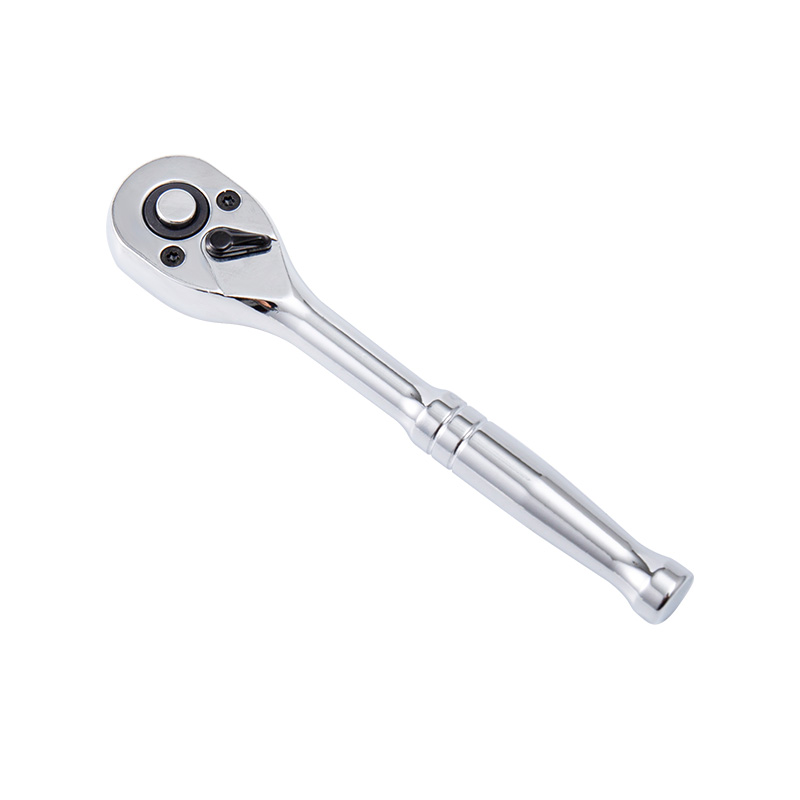
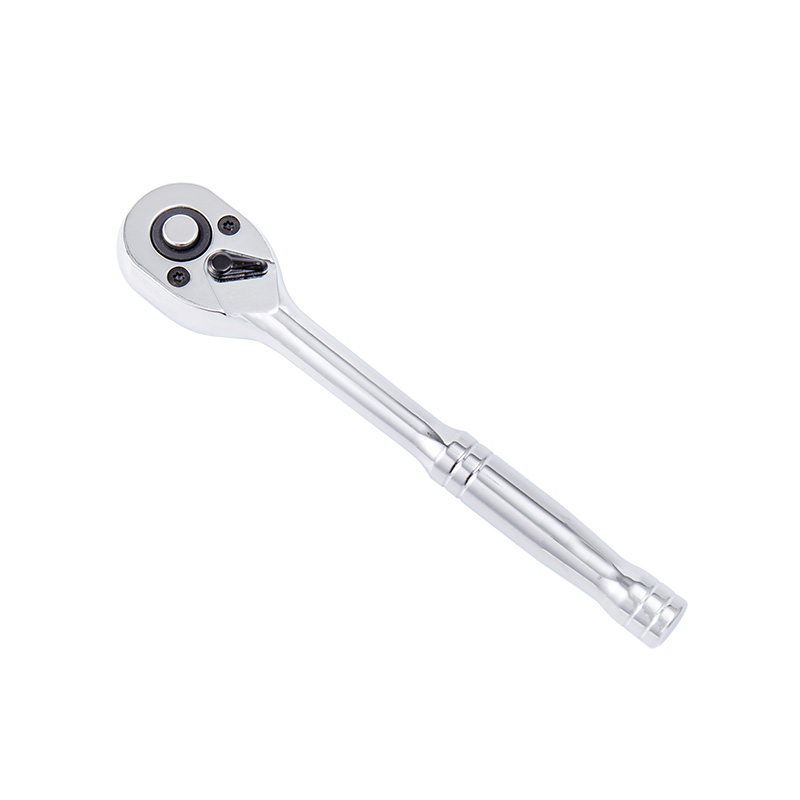
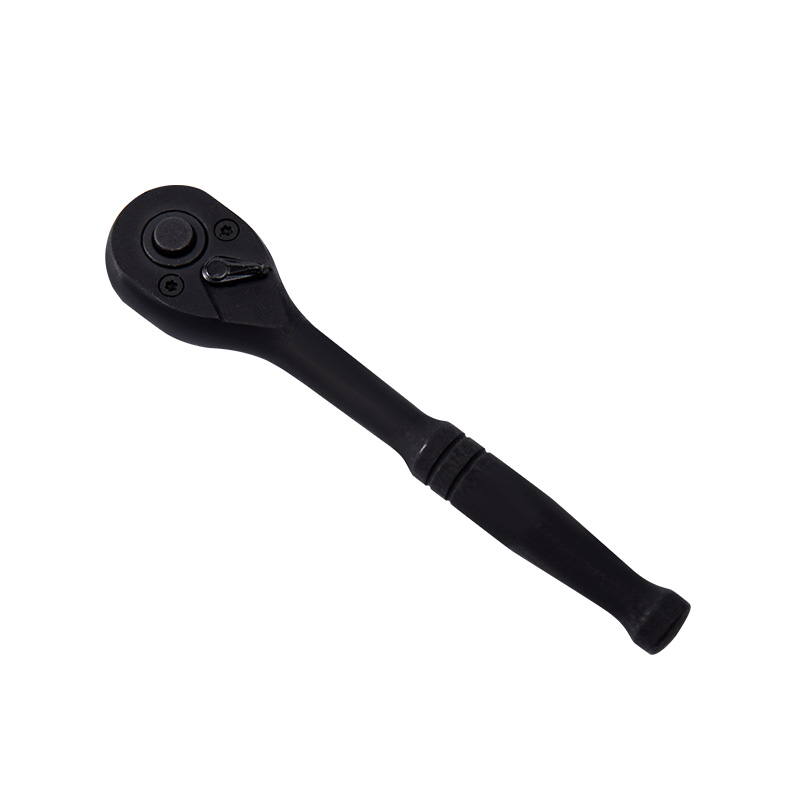
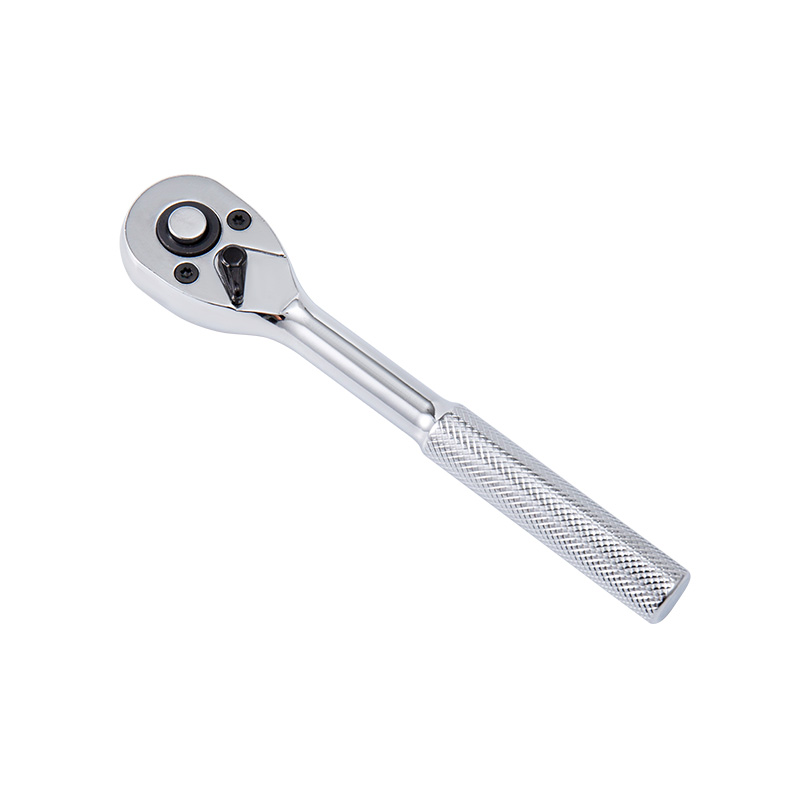
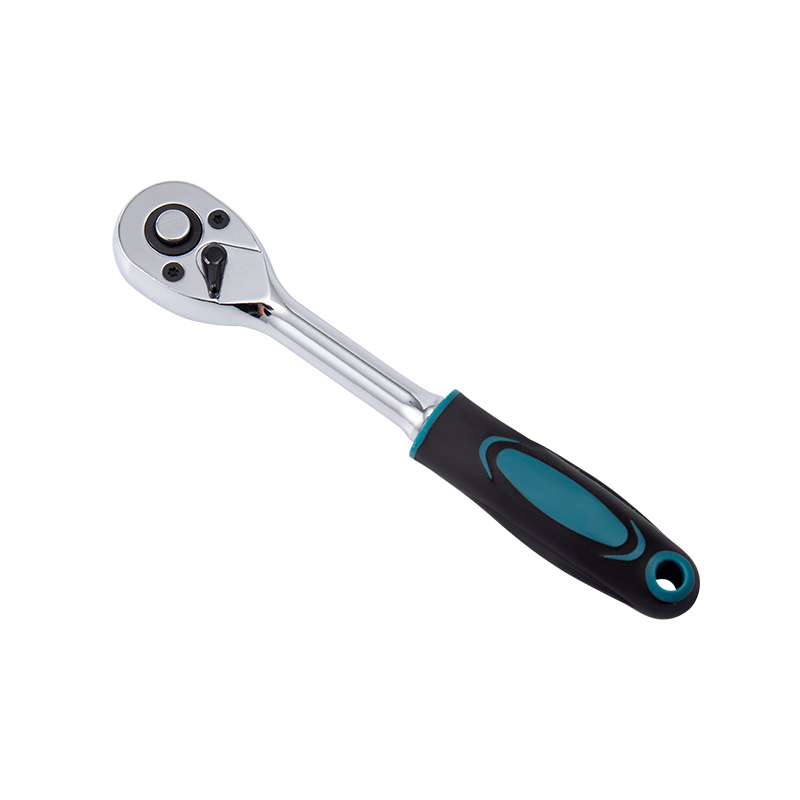
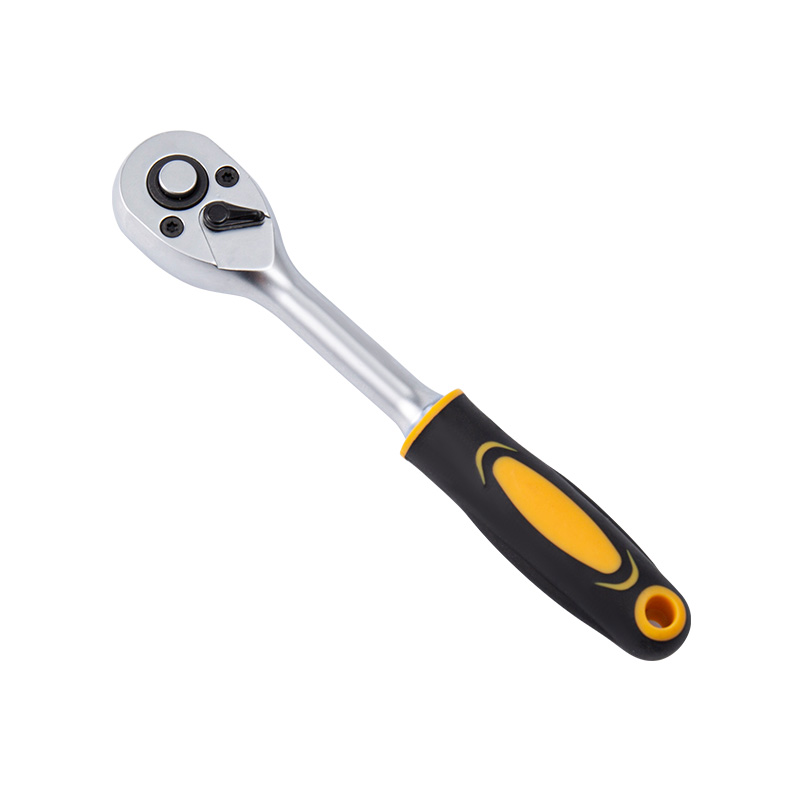
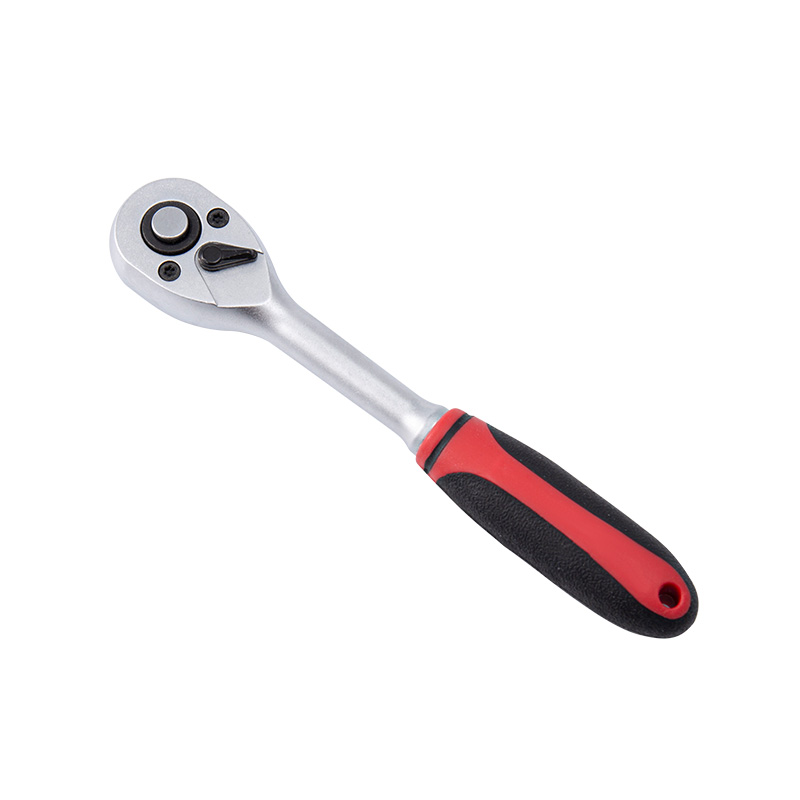
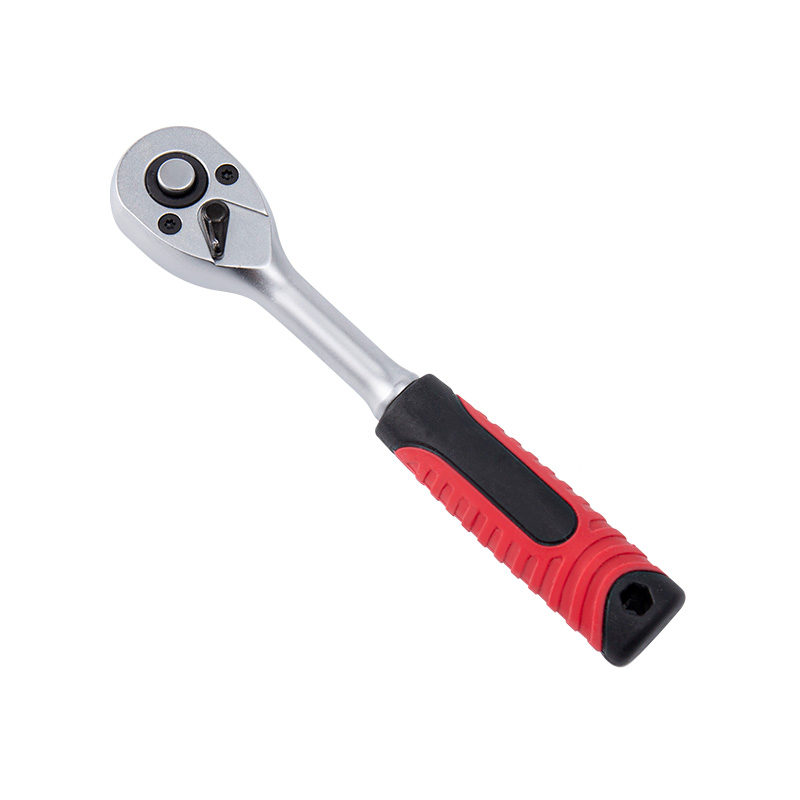
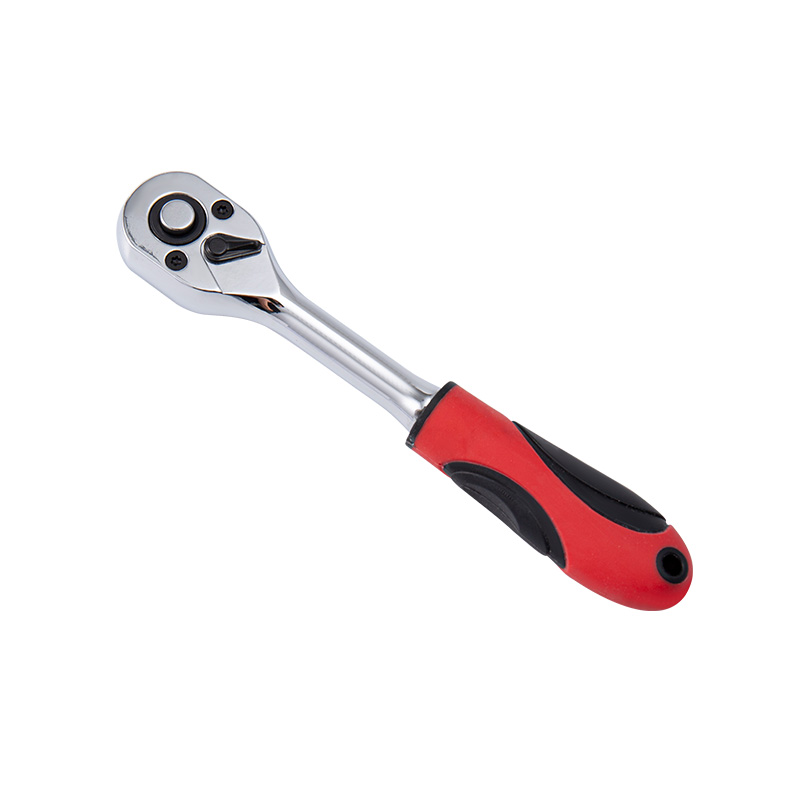
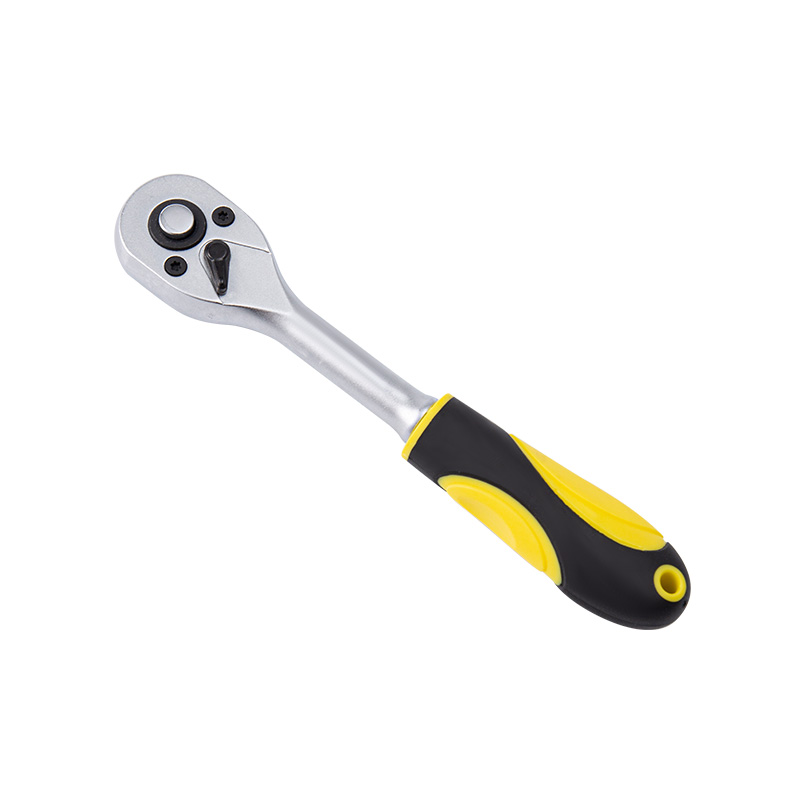
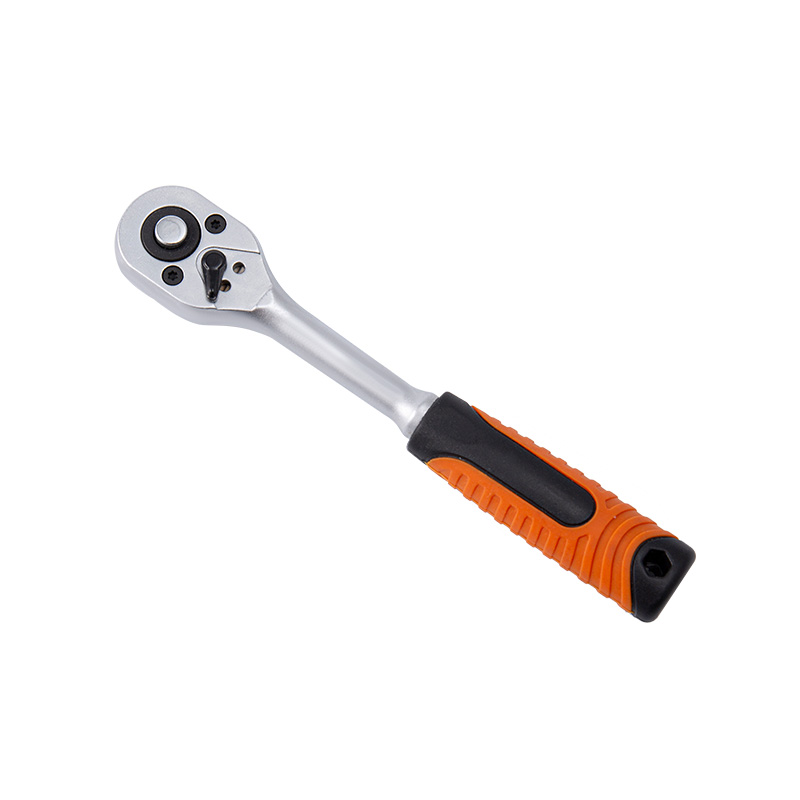
For this reason, demand for the Ratchet Handle with Various Tooth Type continues to grow among professional mechanics seeking improved accessibility and operational efficiency. At the same time, the Automotive Repair Socket remains an essential component of modern maintenance toolkits, supporting reliable fastening performance across a wide range of automotive service applications.
Related Products


Copyright © Zhejiang Protec Hardware Co., Ltd.

Extension Bar Wholesale