

 En
En English
 简体中文
简体中文
Home / News / Industry News / Various Sizes Available Bit Adapter: Reduces Tool Change Time in Manufacturing

Industry News
2026-05-29
Various Sizes Available Bit Adapter: Reduces Tool Change Time in Manufacturing
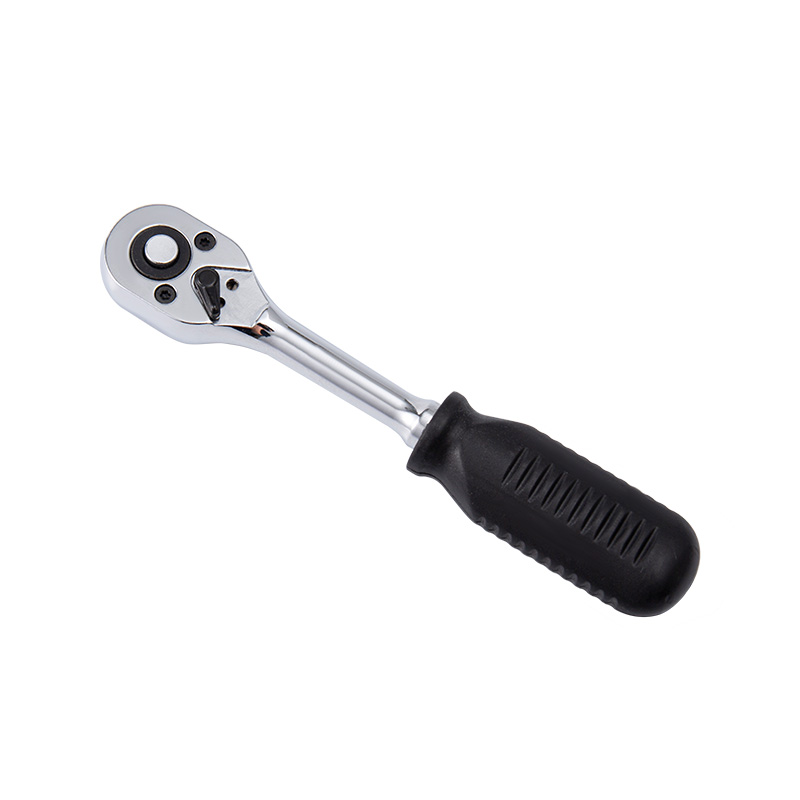
Production lines that handle mixed fastener specifications often face interruptions caused by repeated tool replacement during assembly work. Various Sizes Available Bit Adapter systems are increasingly used in manufacturing environments where operators need to switch between multiple screw or bolt types within short production cycles. Combined with Ratchet Handle with Various Tooth Type designs, these tool systems support smoother fastening transitions while helping workers continue operations without frequent changes to full tool assemblies.
Manufacturing facilities now process a wider range of products than before, including electronics, machinery, automotive components, household equipment, and metal assemblies. Because different fastening standards may appear in a single production process, factories are paying closer attention to tool compatibility, operator movement, and workstation organization.
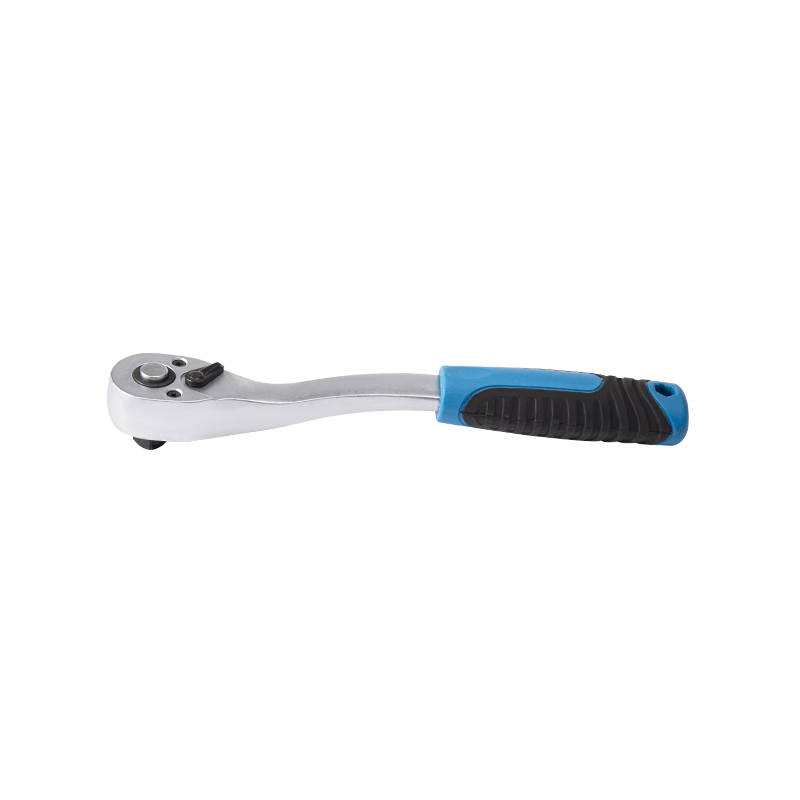
Frequent Tool Changes Continue to Affect Assembly Flow
Assembly operations depend heavily on workflow continuity. When operators repeatedly stop production to locate, replace, or adjust fastening tools, cycle time can gradually increase across the production shift. Even short interruptions may influence workstation rhythm when repeated hundreds of times per day.
Many manufacturing lines still rely on separate dedicated tools for Phillips, Hex, Torx, Slotted, or specialty fasteners. This arrangement increases the number of hand tools stored at each station and may create unnecessary movement during repetitive work. Operators sometimes switch between several drivers within one assembly cycle, especially when handling products with mixed fastening structures.
Compact assembly environments present another challenge. Machines, protective covers, and fixture systems can reduce available movement around fastening points. Traditional fixed-handle tools may require larger swing angles, making operation slower in restricted areas.
Several common production issues are associated with frequent tool replacement:
- Delays caused by searching for correct driver sizes
- Increased workstation clutter from multiple tool types
- Repeated interruption of assembly rhythm
- Higher possibility of selecting incompatible bits
- Additional wrist movement during repetitive fastening
Because manufacturing output often depends on steady cycle consistency, many facilities are evaluating modular fastening systems that simplify tool transitions without increasing workstation complexity.
Structural Improvements in Adapter and Ratchet Systems
Modern Various Sizes Available Bit Adapter products are designed to support faster bit exchange while maintaining stable engagement during repeated assembly cycles. Instead of requiring operators to replace an entire screwdriver or wrench assembly, interchangeable adapters allow users to switch only the fastening bit according to the task requirement.
Quick-change systems are now commonly used in manual assembly stations and repair departments. Many adapters include magnetic retention structures or spring-lock mechanisms that help stabilize inserted bits during operation. These designs aim to reduce accidental bit drop or misalignment while allowing faster replacement between fastening tasks.
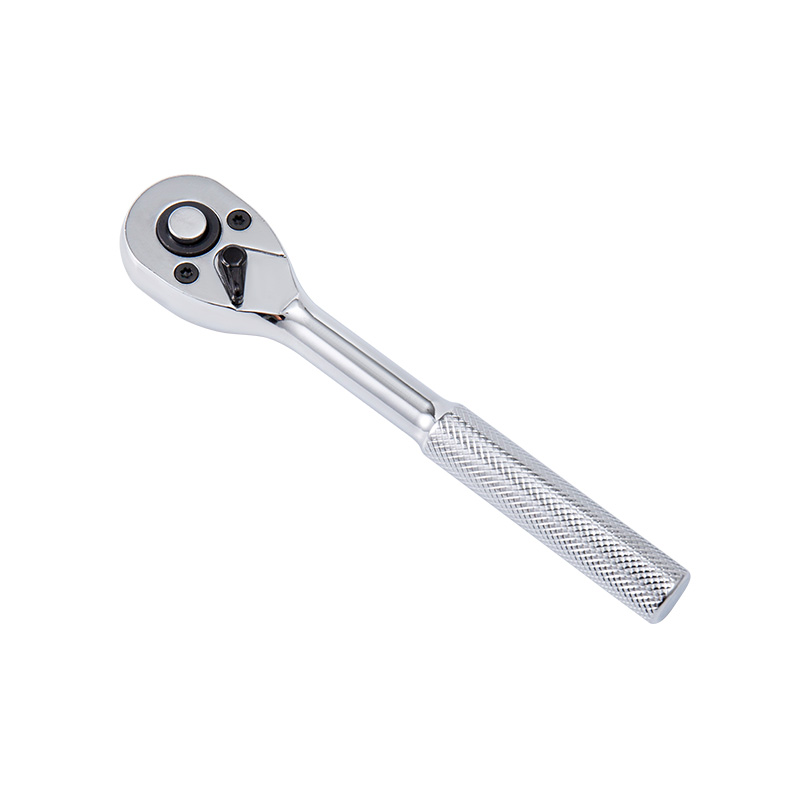
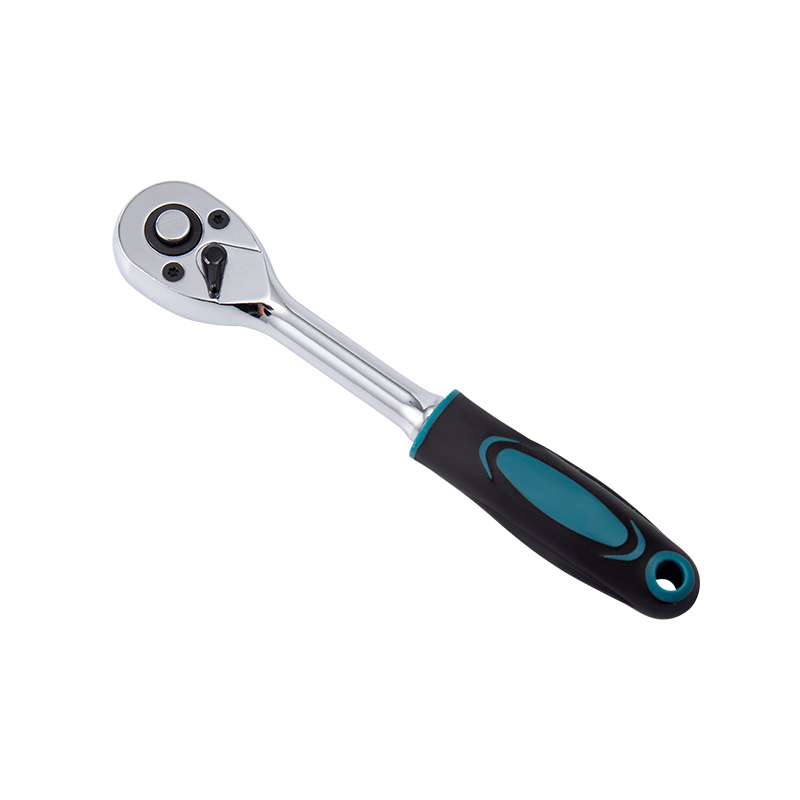
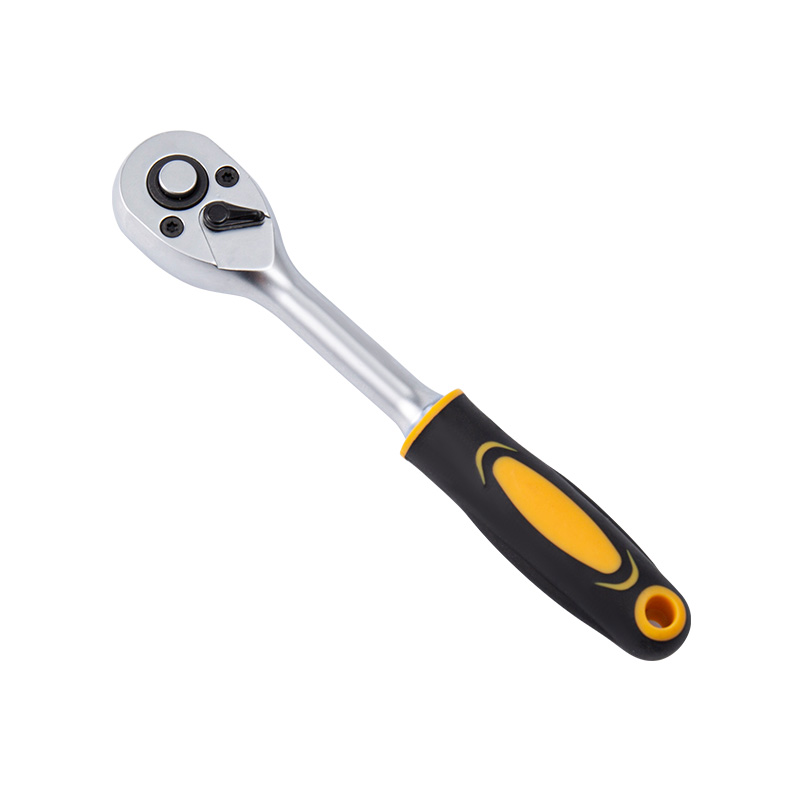
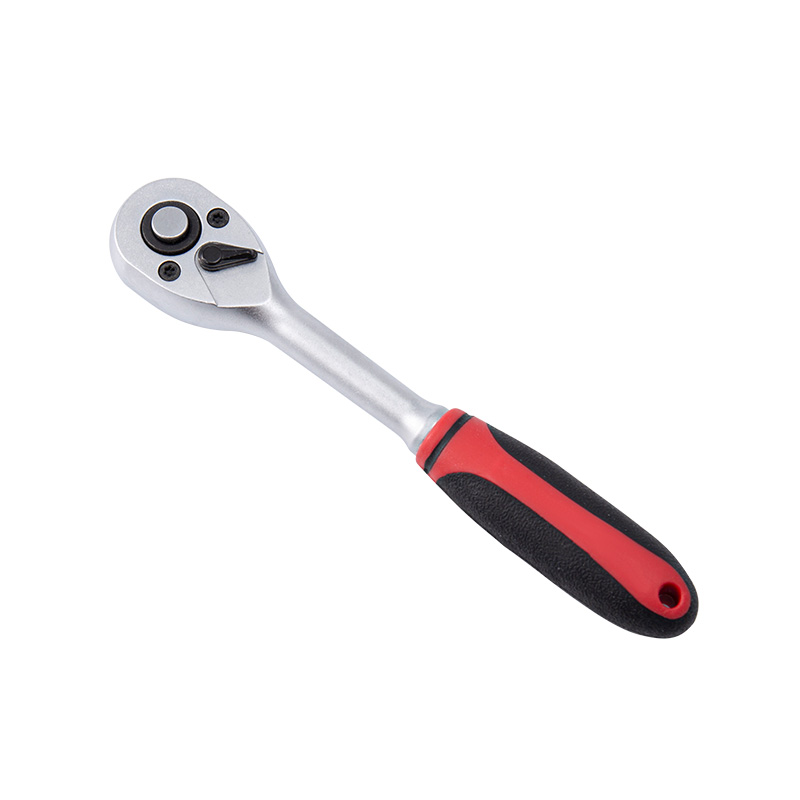
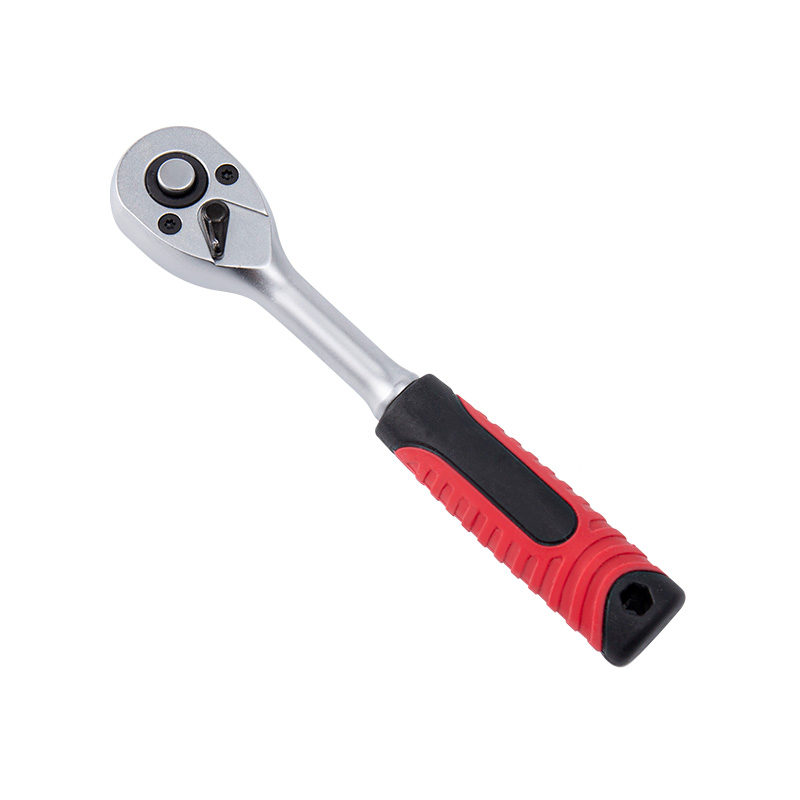
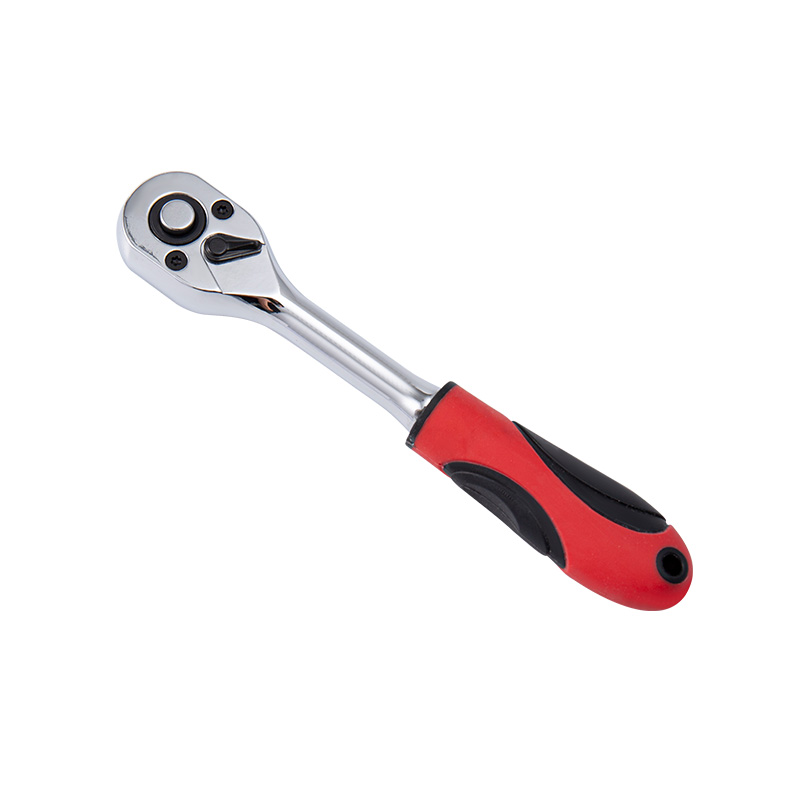
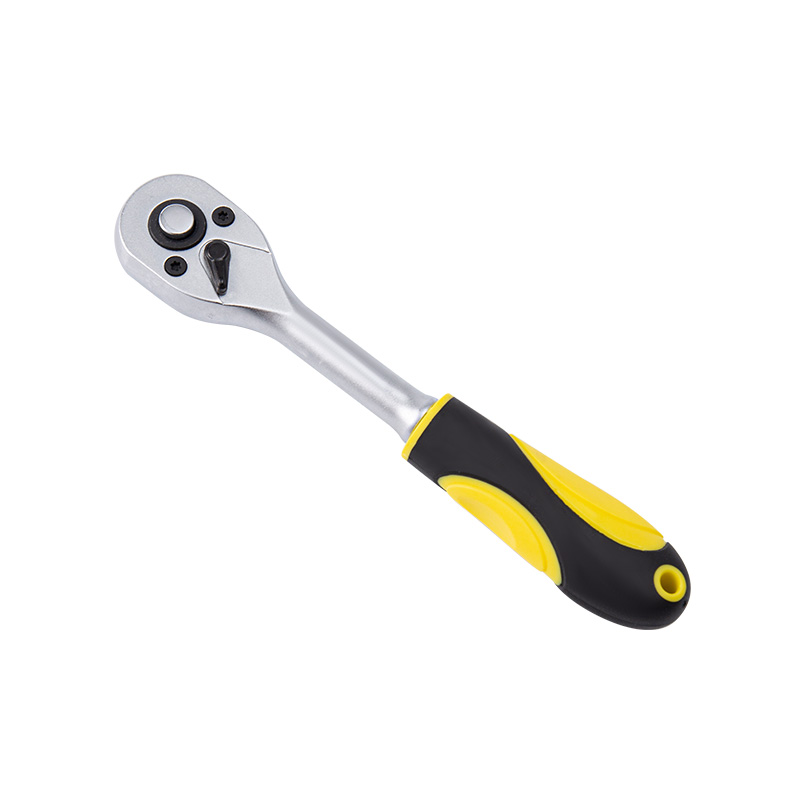
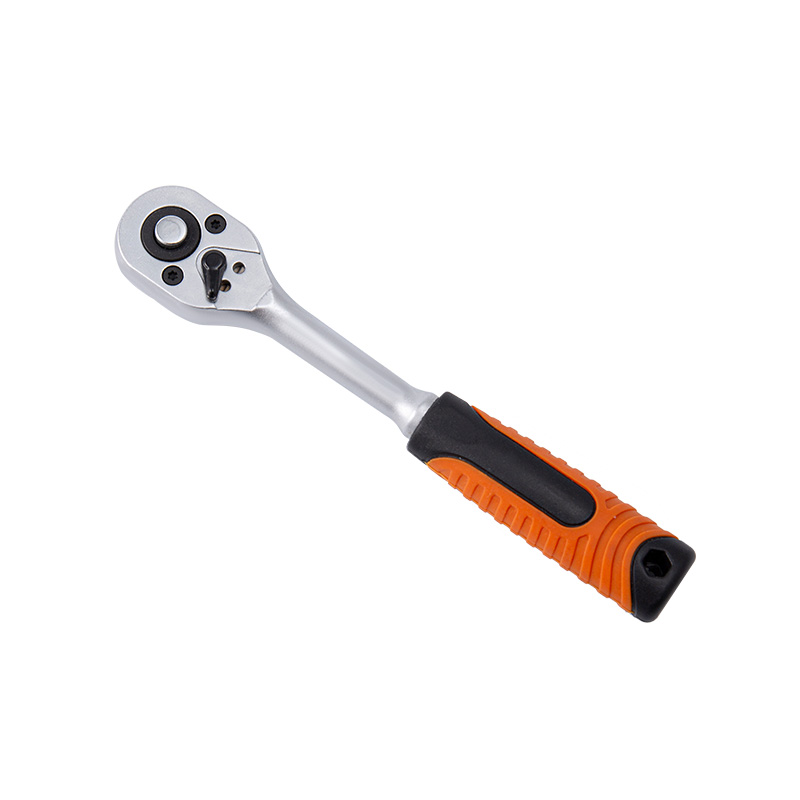
Ratchet Handle with Various Tooth Type systems also contribute to smoother workflow in manufacturing conditions. Different tooth structures affect the ratchet engagement angle and handle movement during operation. Fine-tooth mechanisms generally require less return movement between clicks, which can assist operators working in compact assembly spaces.
The following table outlines several practical features often found in these tool systems:
|
Tool Feature |
Practical Manufacturing Use |
|
Quick-change bit adapter |
Reduces interruption during bit replacement |
|
Fine-tooth ratchet structure |
Supports smaller handle movement |
|
Reversible direction switch |
Allows faster transition between tightening and loosening |
|
Magnetic bit retention |
Helps maintain bit positioning |
|
Compact ratchet head |
Improves access inside assembly fixtures |
|
Hardened alloy components |
Supports repeated fastening cycles |
Manufacturing facilities increasingly select modular fastening systems because they can adapt to changing product specifications more easily than single-purpose tools. As production lines introduce new models or updated assemblies, interchangeable bit systems allow existing tool setups to remain usable with fewer adjustments.
Material durability is also receiving more attention. Since production workers may perform thousands of fastening cycles during a workweek, internal ratchet gears and adapter retention mechanisms are commonly reinforced using hardened steel materials to support long-term repeated use.
Manufacturing Applications Across Different Production Sectors
Bit adapter systems and ratchet handles are now used across many manufacturing environments because fastening requirements differ between industries and product types.
Electronics assembly lines often handle compact fasteners installed within narrow equipment housings. Operators assembling communication devices, control panels, or household electronics may switch between multiple small fastener standards during one process stage. Interchangeable adapters help reduce workstation congestion by replacing multiple dedicated drivers.
Automotive component production also uses modular fastening systems during dashboard assembly, interior installation, and sensor mounting procedures. In some workstations, reduced handle movement is important because surrounding fixtures limit wrist clearance during assembly.
Metal fabrication workshops apply ratchet systems during machine frame assembly and equipment servicing. Fine-tooth ratchet handles may support fastening work around welded structures or partially enclosed mounting areas where standard rotational movement is limited.
Related Products


Copyright © Zhejiang Protec Hardware Co., Ltd.

Extension Bar Wholesale