

 En
En English
 简体中文
简体中文
Home / News / Industry News / How Ratchet Handle with Various Tooth Type Supports Compact Space Repairs

Industry News
2026-05-22
How Ratchet Handle with Various Tooth Type Supports Compact Space Repairs
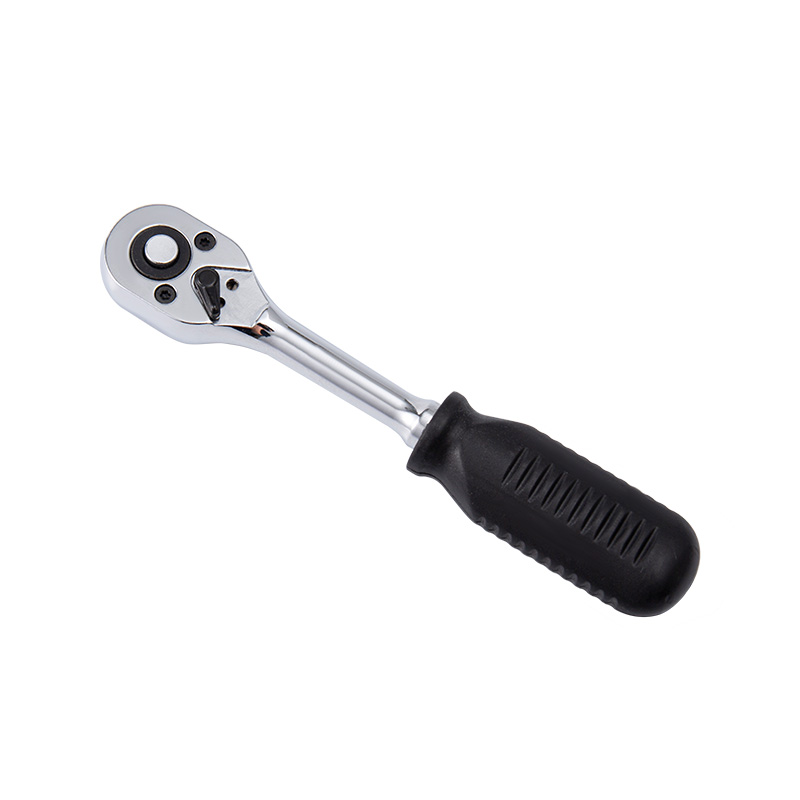
Limited working angles and crowded internal structures have become common challenges in equipment maintenance and assembly tasks. Ratchet Handle with Various Tooth Type designs are increasingly used in repair environments where repeated fastening must be completed within narrow operating ranges. At the same time, Various Sizes Available Bit Adapter systems allow technicians to switch between different fastener types without carrying a large number of separate tools, helping improve flexibility during repair operations.
Compact repair work appears across automotive maintenance, electrical cabinet servicing, consumer electronics assembly, and mechanical equipment inspection. These environments often restrict wrist movement and reduce the available turning angle for traditional screwdrivers or fixed-handle tools. As a result, ratchet mechanisms and interchangeable adapter systems are being adopted in a wider range of service applications.
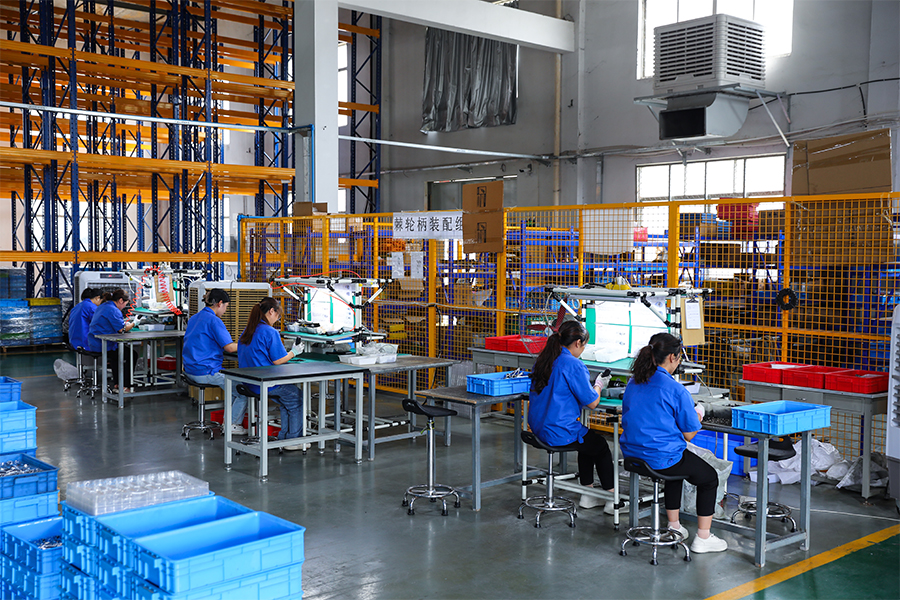
Space Restrictions Continue to Affect Repair Efficiency
Repair technicians frequently encounter situations where bolts or screws are partially blocked by surrounding components. Engine compartments, control panels, pipe assemblies, and internal machine frames often leave only a small amount of clearance for tool movement. Under these conditions, standard tools may require repeated repositioning, which can slow the repair process and increase hand fatigue during long maintenance sessions.
A common issue involves limited swing movement. Traditional screwdrivers require full rotational motion, while standard wrench systems may need larger turning arcs to re-engage fasteners. In confined areas, technicians sometimes remove nearby components simply to gain tool access, adding extra labor time to otherwise simple repair procedures.
Another factor is fastener diversity. Modern equipment increasingly combines different screw heads and bolt standards within the same product assembly. Maintenance personnel may need Torx, Hex, Slotted, Phillips, or security bits during one repair operation. Carrying multiple dedicated tools creates storage complexity and can interrupt workflow when switching between fastening types.
Ratchet systems with interchangeable adapters help address these operational concerns by reducing tool replacement frequency and supporting smaller working movements during fastening.
Structural Adjustments in Modern Ratchet Handle Systems
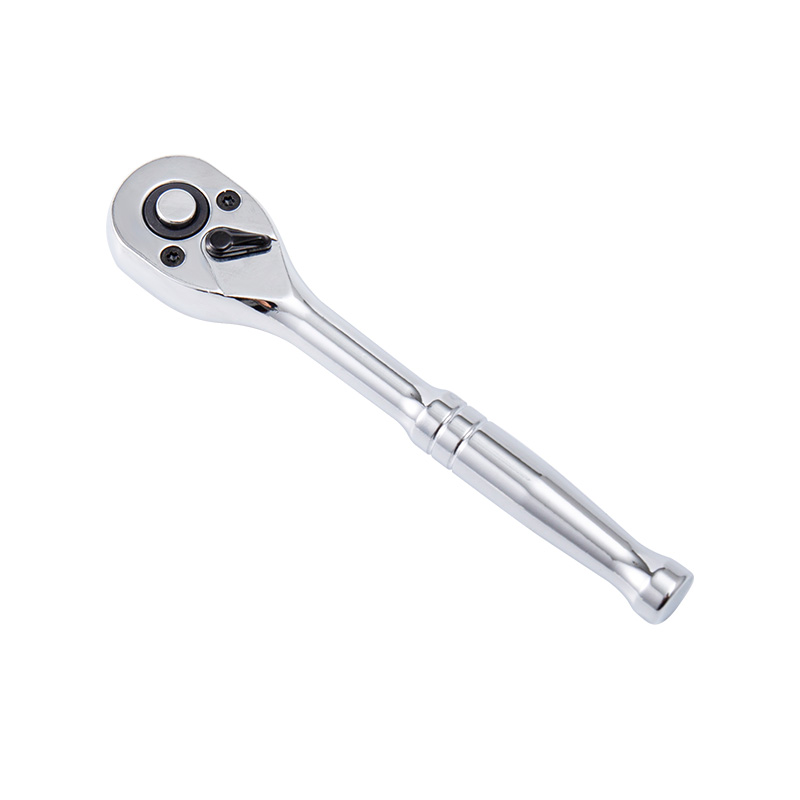
Recent tool designs focus more on handling control, compact geometry, and compatibility with multiple fastener standards. Ratchet Handle with Various Tooth Type products are developed with different internal gear configurations so users can choose between smaller return angles or stronger engagement characteristics depending on the application.
Fine-tooth mechanisms are commonly used in narrow spaces because they require less rotational movement between engagement clicks. Coarser tooth systems may still be preferred for tasks involving larger bolts or higher resistance fastening conditions. Instead of one universal structure, many repair kits now include multiple ratchet configurations for different operating environments.
Several design features are becoming more common in these systems:
|
Feature |
Practical Purpose |
|
Fine-tooth ratchet gear |
Supports shorter return movement |
|
Reversible direction switch |
Allows quick tightening or loosening |
|
Magnetic bit retention |
Helps stabilize inserted bits |
|
Compact ratchet head |
Improves access inside tight spaces |
|
Textured grip surface |
Supports handling during oily conditions |
|
Quick-change adapter system |
Reduces downtime between bit changes |
Various Sizes Available Bit Adapter products also contribute to flexibility during repairs. Instead of using separate dedicated drivers for every fastener size, operators can switch bits while continuing to use the same handle body. This arrangement is particularly useful during field maintenance where tool carrying capacity may be limited.
Material selection has also changed in many modern hand tool systems. Chrome vanadium steel and hardened alloy components are commonly used in gear structures and adapters because repeated engagement cycles place continuous stress on internal ratchet teeth and locking mechanisms.
Compact Repair Applications Across Multiple Industries
Compact-space fastening requirements are not limited to one sector. Multiple industries now rely on ratchet-based systems because equipment layouts continue to become denser and more integrated.
Automotive repair is one of the clearest examples. Technicians often work around battery housings, suspension brackets, engine covers, and intake systems where direct tool access is restricted. Ratchet handles with smaller return angles allow continued movement even when surrounding components limit wrist rotation.
Electrical maintenance work presents similar conditions. Inside distribution boxes and industrial control cabinets, wiring bundles and installed components reduce available operating space. Interchangeable bit adapters help technicians transition between terminal screws and mounting fasteners without repeatedly changing tools.
In consumer electronics servicing, compact ratchet systems are frequently used for laptops, appliances, and communication equipment. Smaller fasteners combined with narrow housing structures make controlled movement more important during assembly and disassembly work.
Industrial maintenance teams also use these systems during machine inspections and production line servicing. Conveyor frames, packaging systems, and hydraulic equipment may contain fastening points positioned behind guards or adjacent structures where conventional tools are difficult to maneuver.
Portable maintenance kits benefit from interchangeable adapters because they reduce the number of individual tools technicians must transport. Field service personnel working in telecommunications, utility maintenance, or installation support often prioritize compact tool arrangements that cover multiple fastener standards.
Workshop Usage Observations and Maintenance Feedback
Repair workshops that transitioned from fixed-driver systems to ratchet-based toolkits have reported several operational differences during routine maintenance work. These observations vary depending on repair conditions, but certain patterns appear consistently across repeated fastening tasks.
A maintenance workshop handling electrical cabinet servicing observed that technicians spent less time switching between tools after adopting interchangeable bit adapters. Because the adapters supported multiple screw head standards, the number of individual screwdrivers stored at each workstation was reduced.
In an automotive repair environment, mechanics working on compact engine compartments reported that fine-tooth ratchet systems allowed smoother movement around restricted fastening locations. Smaller engagement angles reduced the need to remove adjacent components solely to gain additional handle clearance.
Related Products


Copyright © Zhejiang Protec Hardware Co., Ltd.

Extension Bar Wholesale