

 En
En English
 简体中文
简体中文
Home / News / Industry News / Ratchet Handle with Various Tooth Type: Supports Precision Repair Operations

Industry News
2026-05-15
Ratchet Handle with Various Tooth Type: Supports Precision Repair Operations
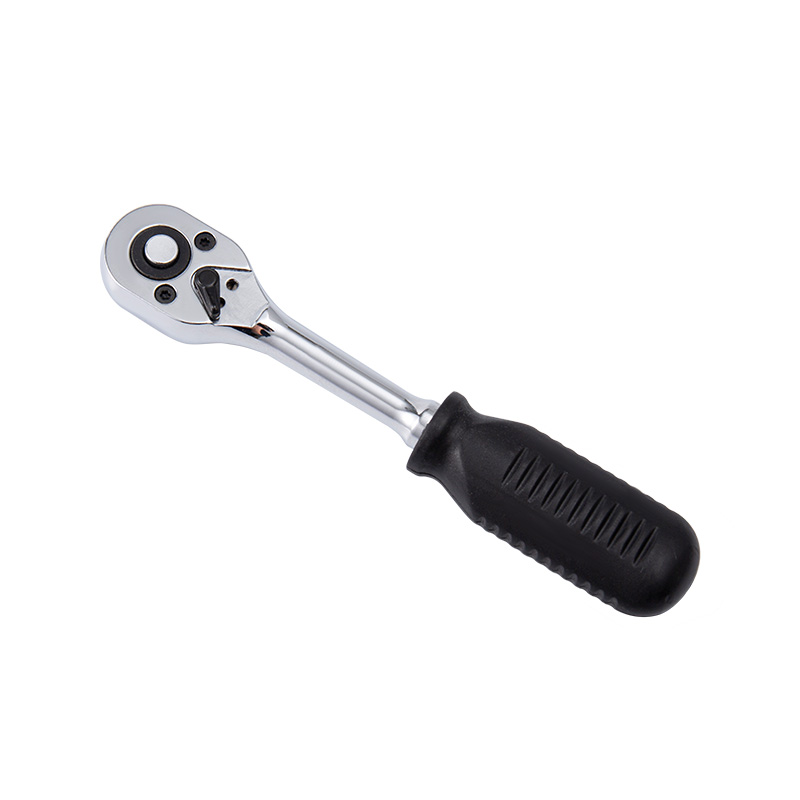
Tight maintenance spaces and mixed fastener structures often require hand tools that can switch between different working angles without slowing down the repair process. A Ratchet Handle with Various Tooth Types is increasingly used in repair workshops, assembly stations, and maintenance environments where smoother directional control and reduced handle movement are important. At the same time, Various Sizes Available Bit Adapter systems allow technicians to work with multiple screw and bolt specifications using fewer tool combinations, helping improve organization during repeated repair tasks.
Different industries now deal with smaller assemblies, denser equipment layouts, and more varied fastener standards. Because of this, tool compatibility and controlled torque transfer have become practical concerns for maintenance workers, field technicians, and mechanical operators who need consistent handling performance during daily work.
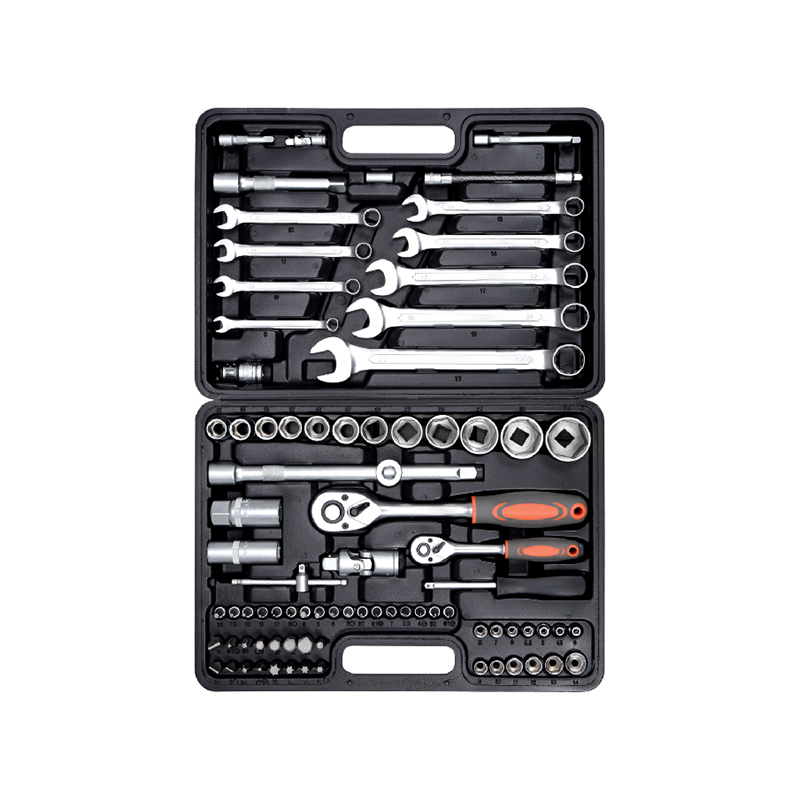
Repair Environments Continue to Demand Flexible Hand Tool Systems
Repair operations no longer focus only on high-force fastening. In many cases, technicians work inside electrical cabinets, compact automotive compartments, household appliances, communication equipment, and industrial control boxes where swing space is limited. Traditional fixed-handle tools may require repeated repositioning, especially when turning angles are restricted.
Ratchet mechanisms with different tooth configurations help address this issue by changing the engagement interval during operation. A lower tooth count generally allows stronger engagement for heavier fastening work, while a higher tooth count supports shorter return angles in narrow working conditions. This variation gives operators more flexibility depending on the repair environment.
Another challenge comes from fastener diversity. Workshops often handle Phillips, Pozidriv, Torx, Hex, Slotted, and specialty screws within the same project. Carrying multiple separate drivers can increase setup time and storage complexity. Various Sizes Available Bit Adapter products help reduce this issue by supporting interchangeable bits across different applications.
As more maintenance teams attempt to standardize their tool storage systems, adaptable hand tools are becoming more common in service carts, portable repair kits, and production support stations.
Changes in Ratchet Structure and Adapter Compatibility
Modern ratchet handle designs increasingly focus on internal gear precision, grip balance, and bit retention stability. Instead of relying on a single tooth structure, manufacturers now produce handles with different ratchet tooth counts to match various operational requirements.
A fine-tooth ratchet mechanism can support shorter return movement between clicks, which may help during equipment servicing in confined areas. Coarser tooth systems are still used where stronger engagement and simpler internal structures are preferred.
Several structural changes can now be seen in newer tool configurations:
- Dual-direction switching systems for clockwise and counterclockwise adjustment
- Magnetic or spring-lock bit retention structures
- Reinforced chrome vanadium or alloy steel components for repeated usage
- Anti-slip grip surfaces designed for oil-contact environments
- Compact head structures for tighter access zones
Various Sizes Available Bit Adapter systems are also evolving to support more standardized interfaces. Some adapters now accommodate both metric and imperial bit dimensions, allowing repair teams to reduce the number of dedicated tools required on-site.
In addition, quick-change adapter mechanisms are becoming more common in assembly and maintenance environments where operators frequently switch between fastening types. Instead of manually loosening holding collars, users can remove and install bits with simplified push-fit systems.
These changes are not focused on appearance alone. Much of the development centers around reducing handling interruptions and maintaining steady operation during repetitive repair tasks.
Use Cases Across Different Repair and Maintenance Scenarios
Ratchet handle systems and interchangeable adapters are now used across multiple technical sectors because repair conditions vary significantly between industries.
In automotive maintenance, technicians often work around engine compartments where bolt access is partially blocked by hoses, frames, or electrical wiring. Fine-tooth ratchet handles can assist when there is not enough clearance for larger turning arcs. Bit adapters also help mechanics switch between interior trim screws, battery terminals, and sensor mounting hardware without carrying separate drivers.
Electrical maintenance teams use these tools during panel installation, switch replacement, and cable management work. Compact ratchet handles may support safer positioning inside narrow electrical enclosures where hand movement is restricted.
Furniture assembly and household equipment servicing also benefit from interchangeable bit systems. Flat-pack assembly tasks often involve multiple screw head types within a single installation process. Instead of changing tools entirely, users can replace only the driver bit while continuing with the same handle.
Industrial machinery servicing presents another practical use case. Maintenance workers responsible for conveyors, pumps, or packaging systems frequently encounter repeated fastening tasks during inspections. Ratchet handles with controlled directional engagement may help reduce unnecessary wrist repositioning during these operations.
Portable field repair kits also increasingly include Various Sizes Available Bit Adapter configurations because technicians working off-site may not have access to full workshop tool storage. Reducing the number of separate tools can simplify transportation and organization.
Related Products


Copyright © Zhejiang Protec Hardware Co., Ltd.

Extension Bar Wholesale