

 En
En English
 简体中文
简体中文
Home / News / Industry News / Various Sizes Available Bit Adapter: Improves Fastener Access in Workshops

Industry News
2026-05-08
Various Sizes Available Bit Adapter: Improves Fastener Access in Workshops
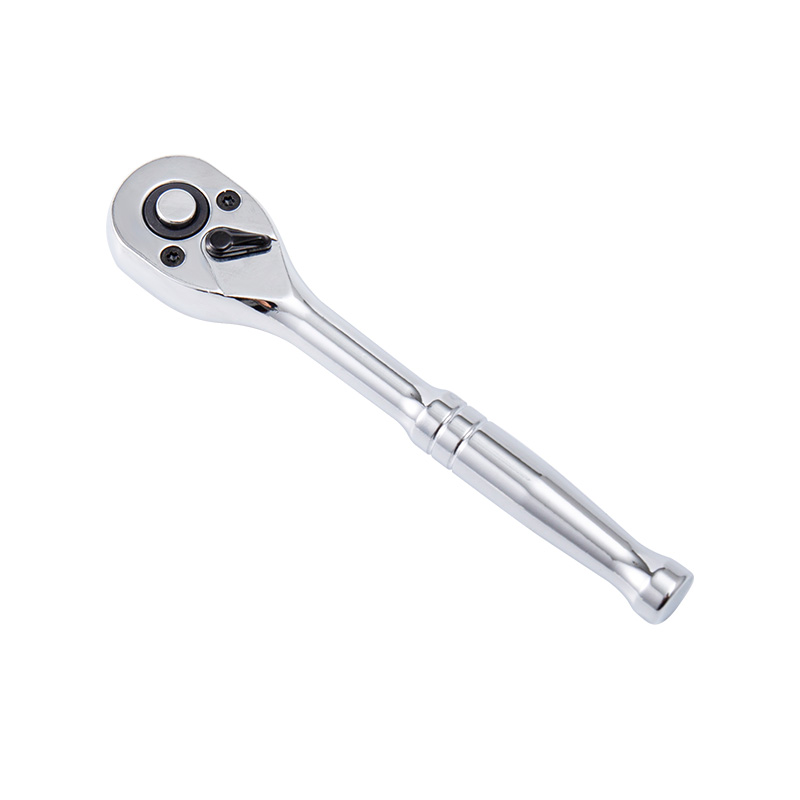
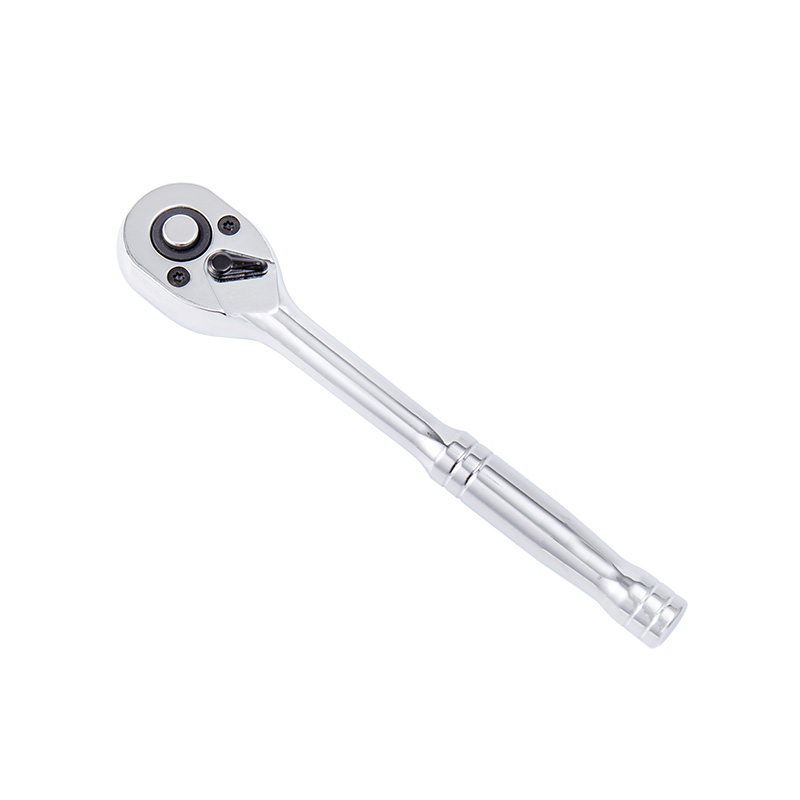
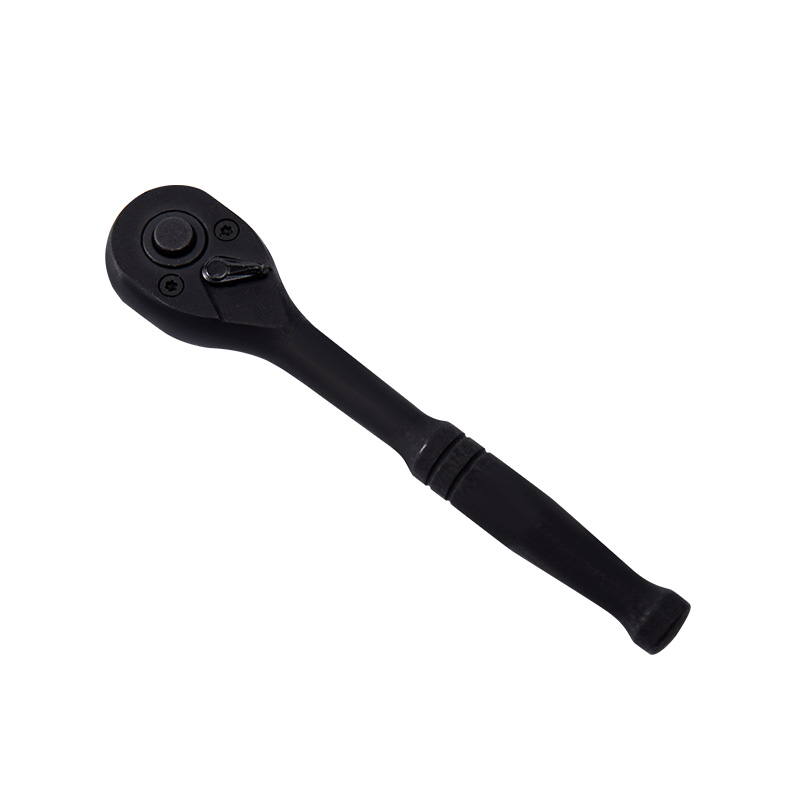
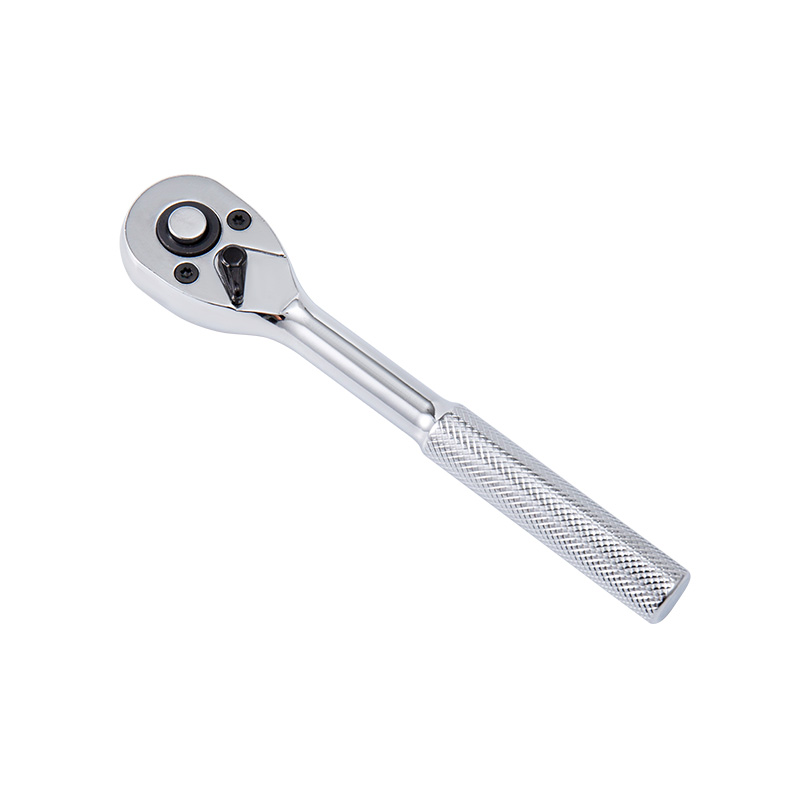
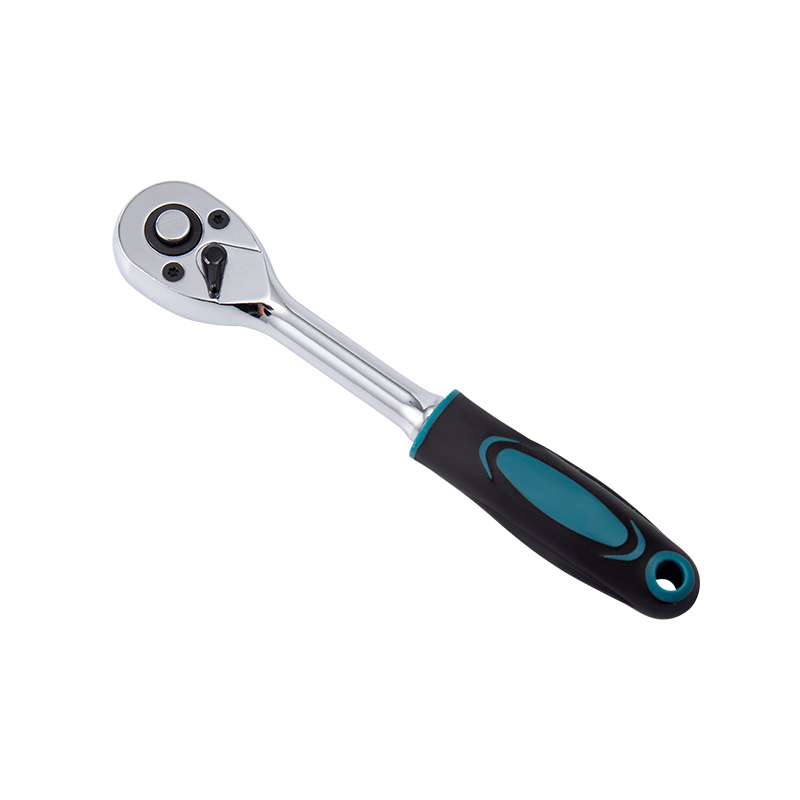
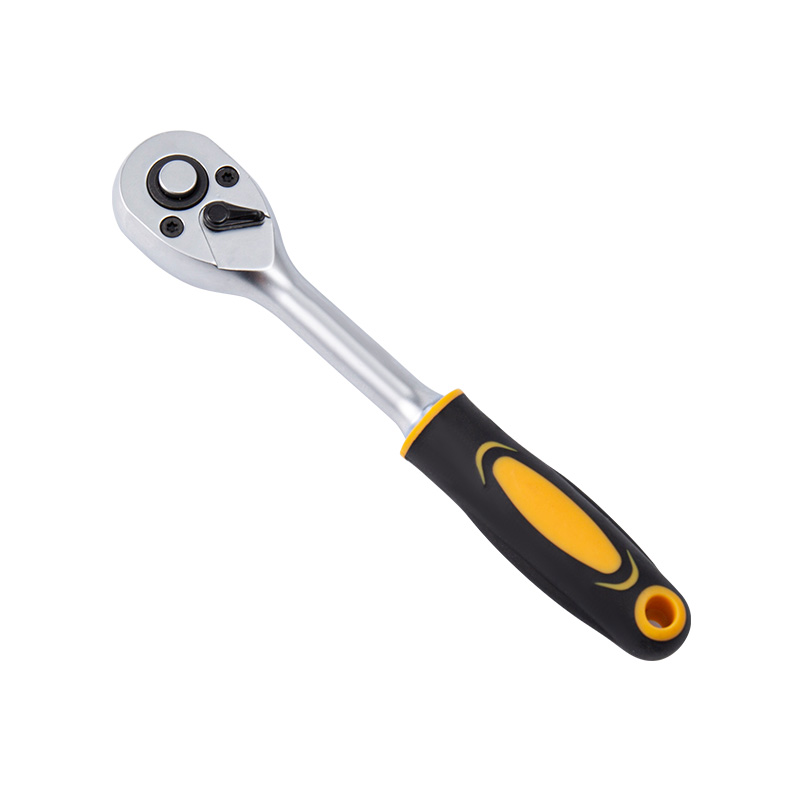
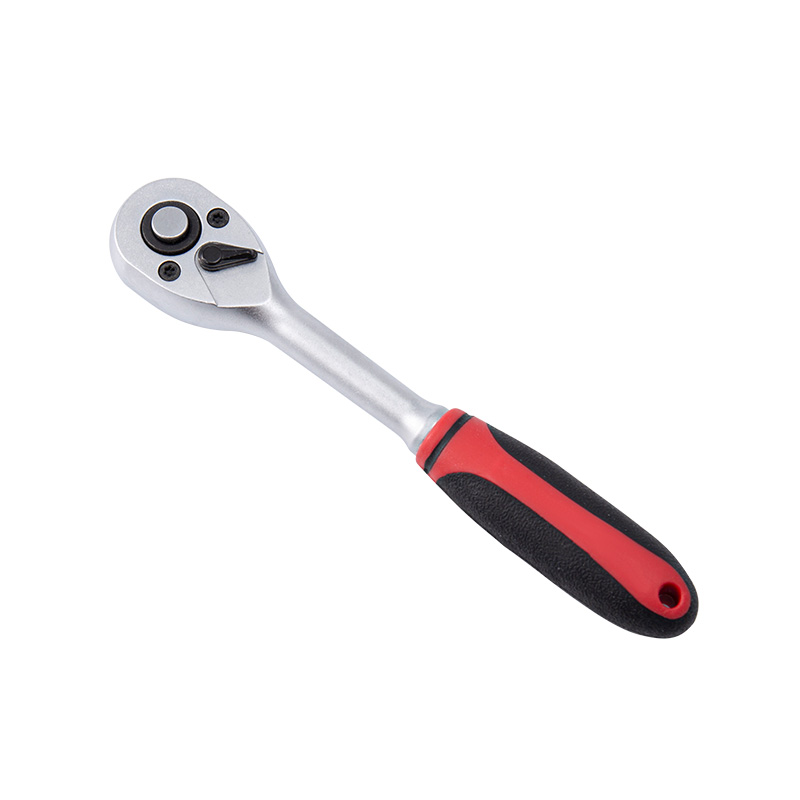
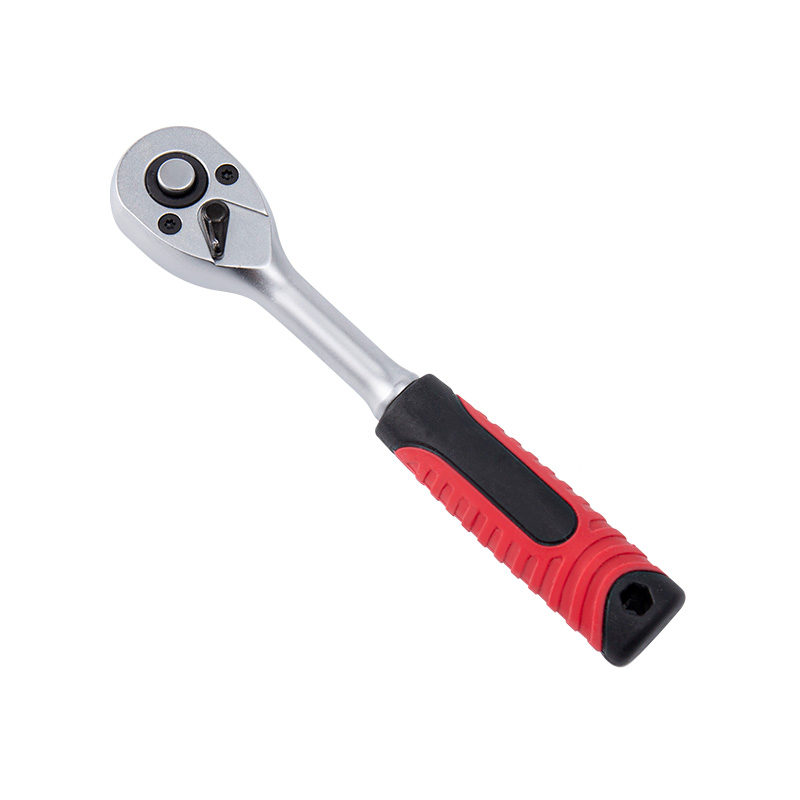
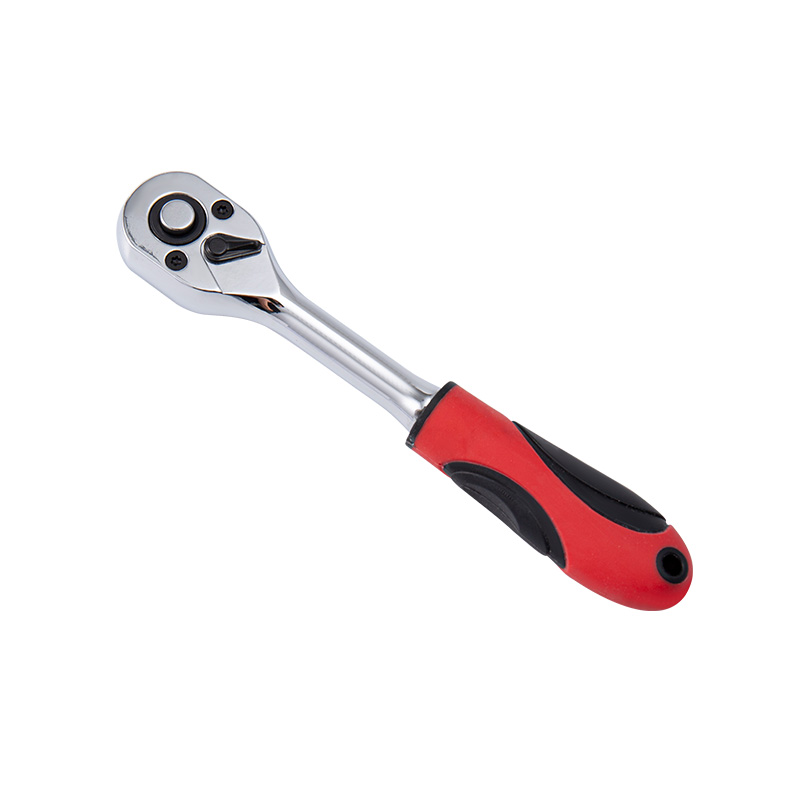
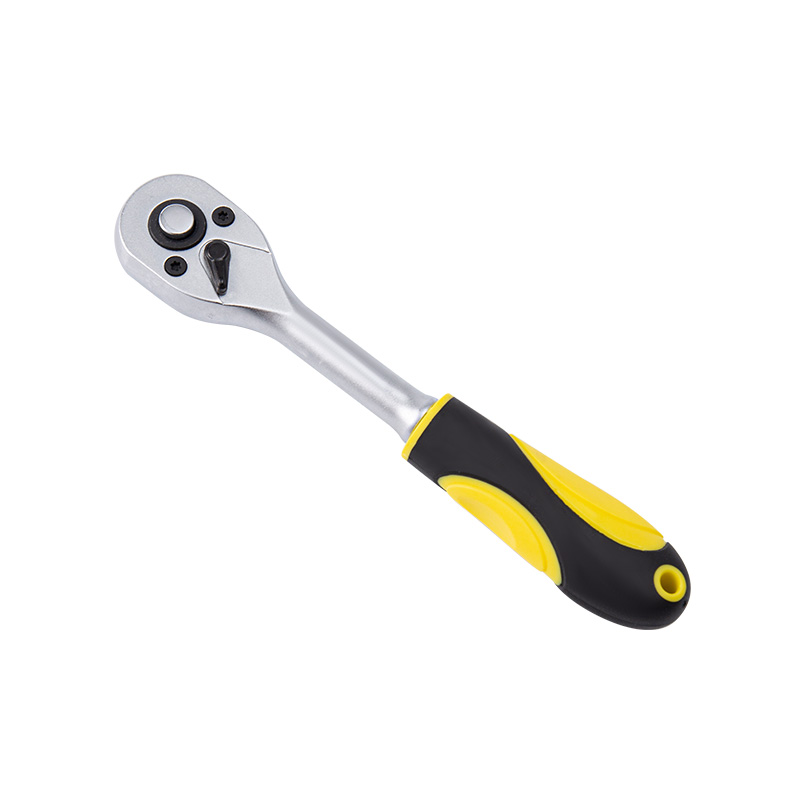
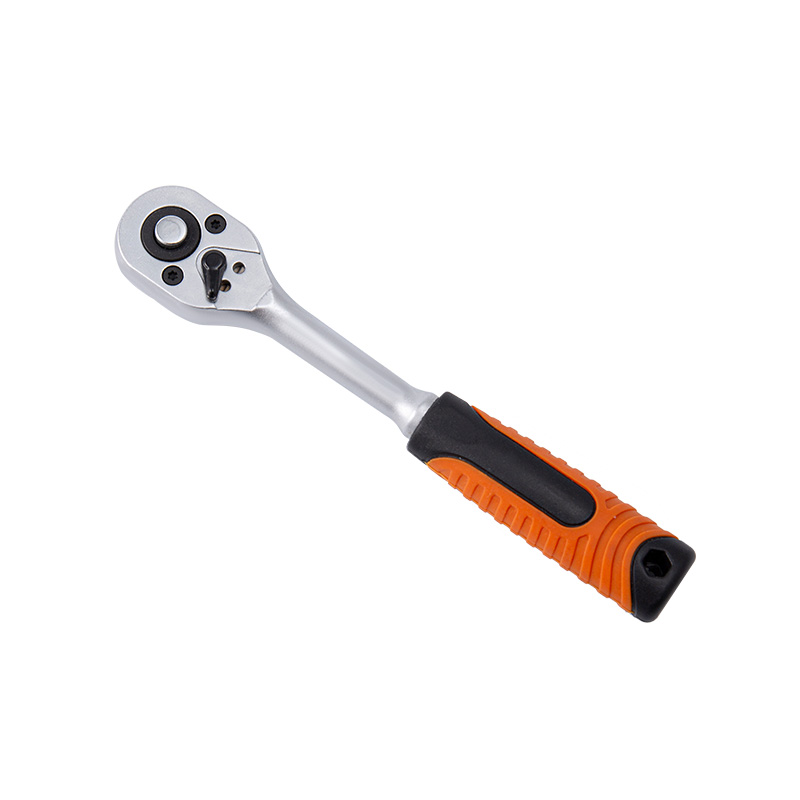
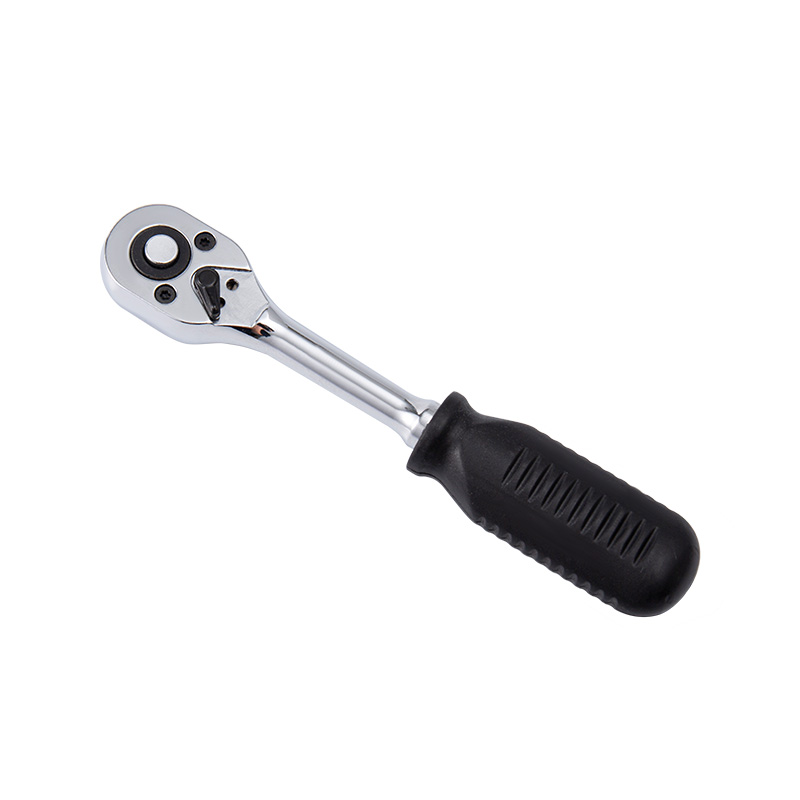
Tight assembly areas and mixed fastener standards continue to create challenges for technicians working in repair shops, production lines, and equipment maintenance. Various Sizes Available Bit Adapter products are increasingly being used to simplify the connection between sockets, bits, and ratchet systems during fastening work. Combined with a Ratchet Handle with Various Tooth Types, these tools help users switch between fastening angles and bit sizes without repeatedly changing the full tool setup.
As workshop environments become more compact and equipment structures more layered, operators are looking for tool combinations that reduce interruption during installation and maintenance. Bit adapters and ratchet handles are now commonly integrated into automotive repair, machinery servicing, furniture assembly, and electrical maintenance workflows where access space is limited and fastening precision matters.
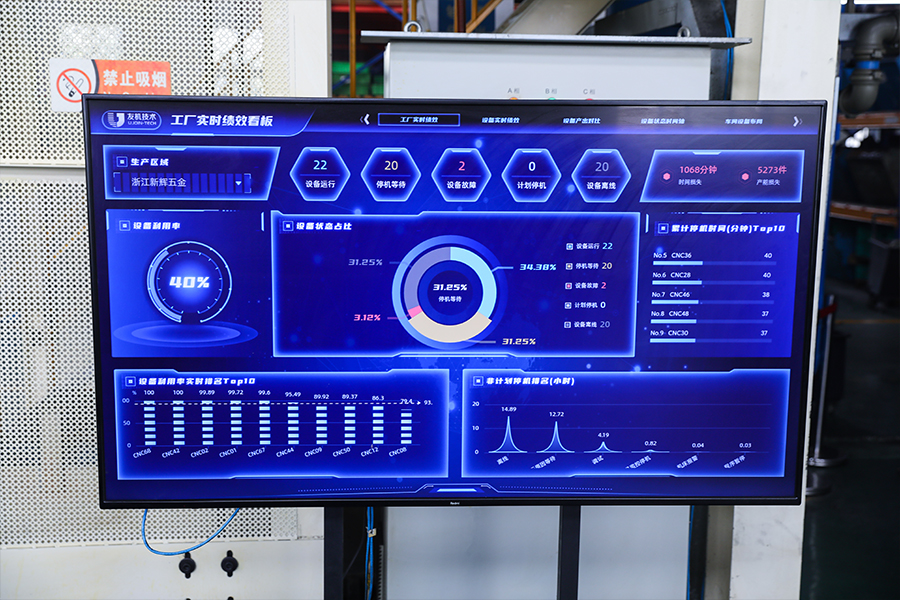
Why Fastener Access Remains a Common Workshop Issue
In many repair and assembly environments, technicians encounter fasteners placed inside recessed panels, near structural frames, or between narrow mechanical components. Standard screwdrivers or fixed socket tools often cannot reach these positions without removing surrounding parts . This increases labor time and may also interrupt alignment or calibration procedures.
Another issue appears when different fastener sizes are used within the same project. A worker may need to alternate between Phillips bits, Torx heads, hex bits, and sockets several times during one repair process. Without adaptable connectors, tool replacement becomes repetitive and slows the overall operation.
Ratchet systems also face limitations when turning angles are restricted. Traditional coarse-tooth ratchets require a larger swing arc before engaging the next tooth position. Inside compact machinery compartments or vehicle engine bays, this movement range may not be available. A Ratchet Handle with Various Tooth Type helps reduce this problem by supporting different engagement increments depending on the handle structure and tooth configuration.
Tool Design Adjustments Supporting Daily Repair Tasks
Recent developments in Various Sizes Available Bit Adapter structures focus on compatibility and flexibility rather than complex mechanical changes. Many adapters now support multiple drive standards such as 1/4-inch, 3/8-inch, and 1/2-inch connections while maintaining compact body dimensions. This allows technicians to connect hand tools, sockets, extension bars, and power accessories through a single transition point.
Several production workshops are also adopting quick-lock adapter systems. These designs reduce the risk of bit slippage during repetitive fastening work and make bit replacement more direct during assembly operations.
The Ratchet Handle with Various Tooth Type has also evolved to match different usage environments. Lower tooth-count ratchets are often selected for higher torque transmission in industrial maintenance, while finer tooth-count mechanisms support smoother operation inside narrow spaces where movement range is restricted.
The following table shows several common workshop-oriented features found in modern fastening tool systems:
|
Tool Feature |
Practical Workshop Use |
|
Magnetic bit retention |
Helps prevent bit dropping during overhead work |
|
Quick-release adapter |
Speeds up accessory replacement |
|
Multi-size drive compatibility |
Supports different socket standards |
|
Fine-tooth ratchet mechanism |
Works in restricted turning angles |
|
Extension-ready structure |
Improves reach inside equipment compartments |
|
Surface corrosion treatment |
Supports repeated workshop handling |
Instead of focusing only on torque capacity, many technicians now pay closer attention to workflow continuity. A compact adapter combined with a suitable ratchet handle can reduce unnecessary movement between tool cabinets and workstations.
Workshop Applications Across Different Industries
Various Sizes Available Bit Adapter products are being used in a wide range of workshop scenarios because fastening systems differ significantly between industries. Automotive repair centers frequently use adapters when servicing dashboards, brake systems, and engine components where access depth changes from one section to another. A single adapter may connect extension bars and low-profile ratchets to reach bolts located behind brackets or hoses.
In industrial equipment maintenance, operators often work around pneumatic lines, guarding panels, and machine frames. Ratchet handles with finer tooth mechanisms help continue fastening action even when the handle cannot complete a wide turning arc.
Furniture assembly and installation teams also use these tools during on-site projects where carrying a full toolbox may not be practical. Multi-size adapters allow workers to handle several fastening standards without transporting multiple dedicated drivers.
Electrical technicians working inside control cabinets often benefit from compact ratchet systems because wiring channels and terminal structures limit hand movement. In these environments, shorter ratchet reset angles help reduce accidental contact with nearby components.
Related Products


Copyright © Zhejiang Protec Hardware Co., Ltd.

Extension Bar Wholesale