

 En
En English
 简体中文
简体中文
Home / News / Industry News / Why Are Modular Tool Systems Becoming a Key Trend in Modern Automotive Maintenance?

Industry News
2026-06-19
Why Are Modular Tool Systems Becoming a Key Trend in Modern Automotive Maintenance?
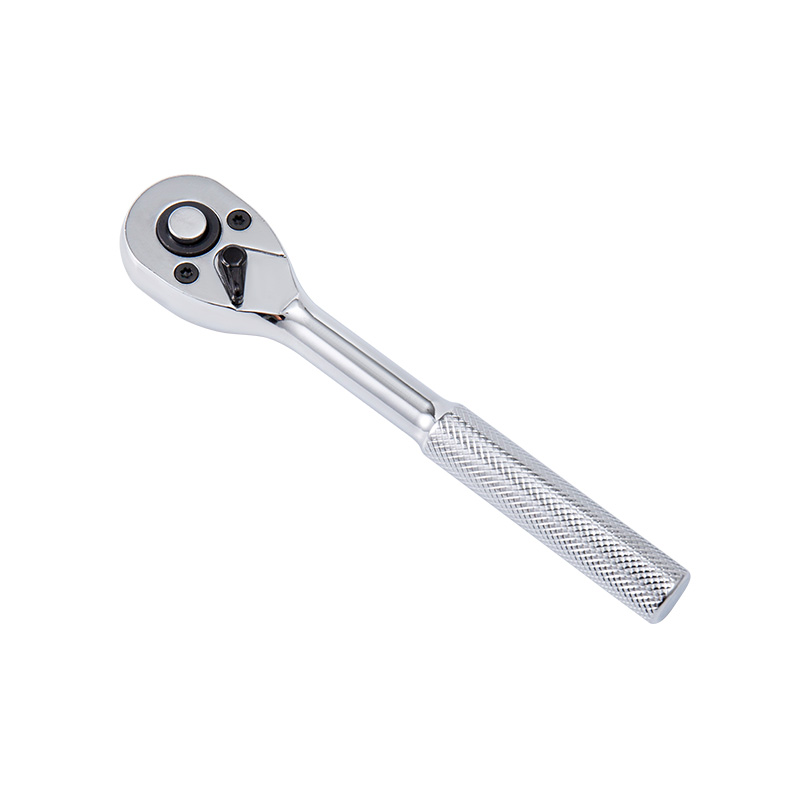
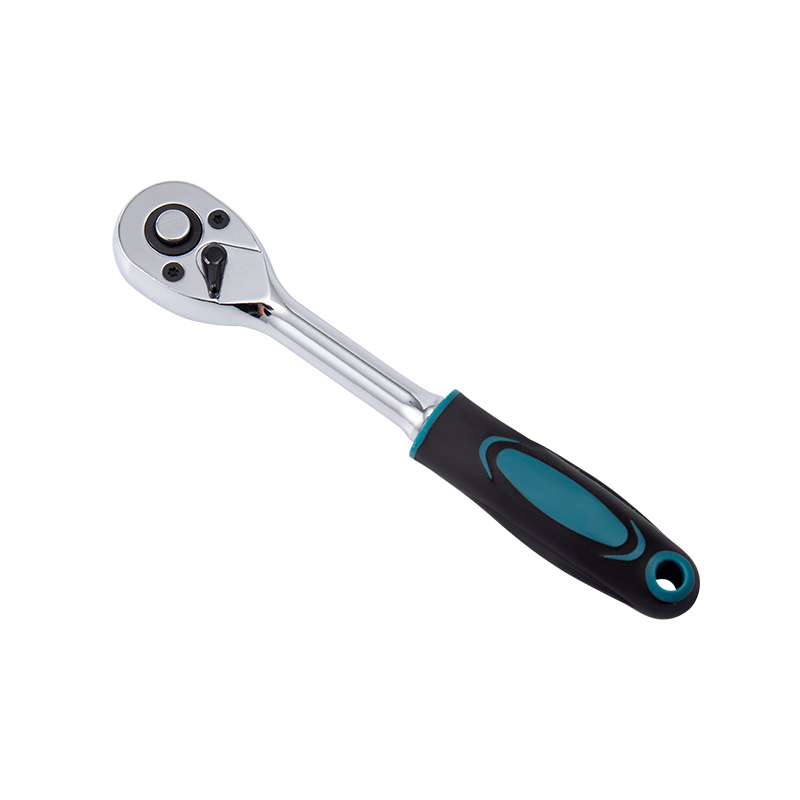
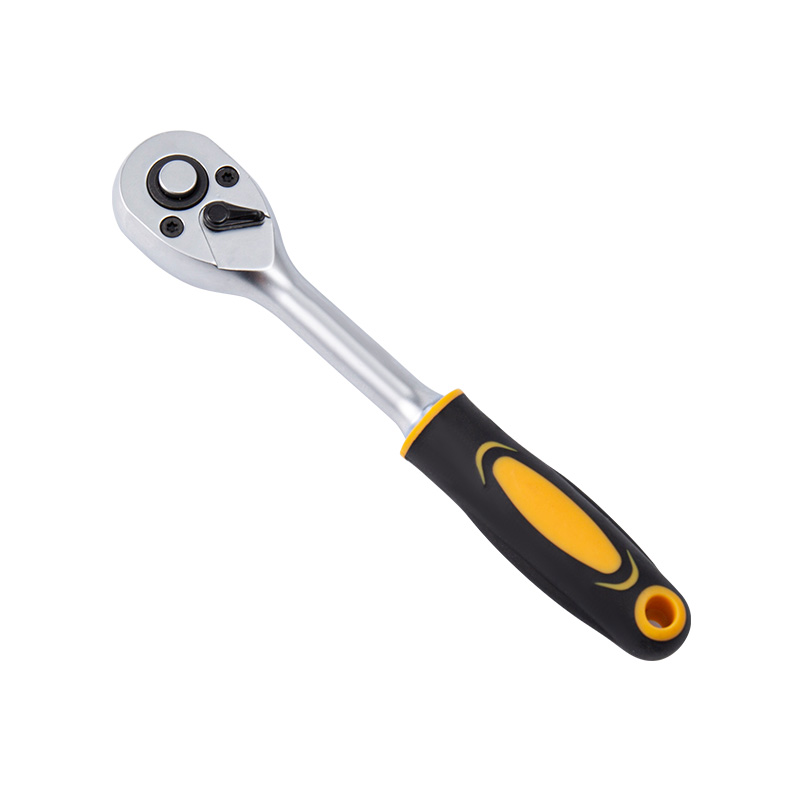
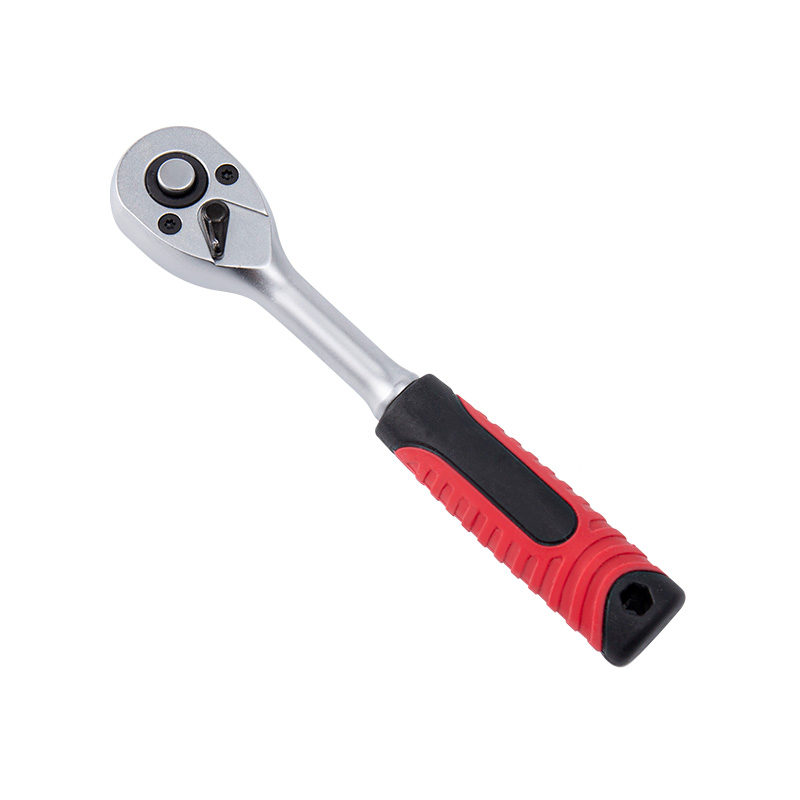
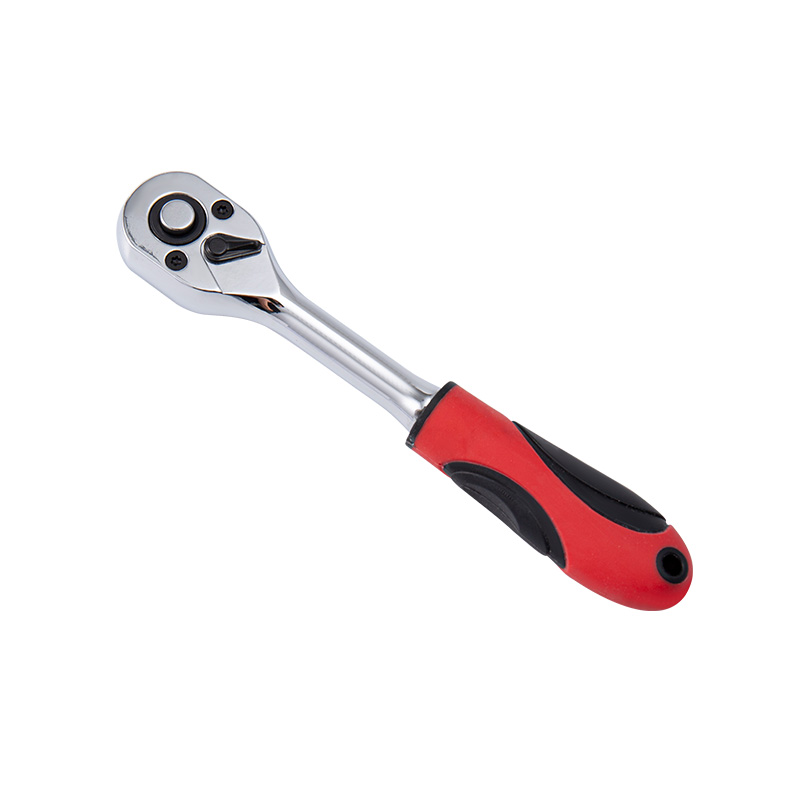
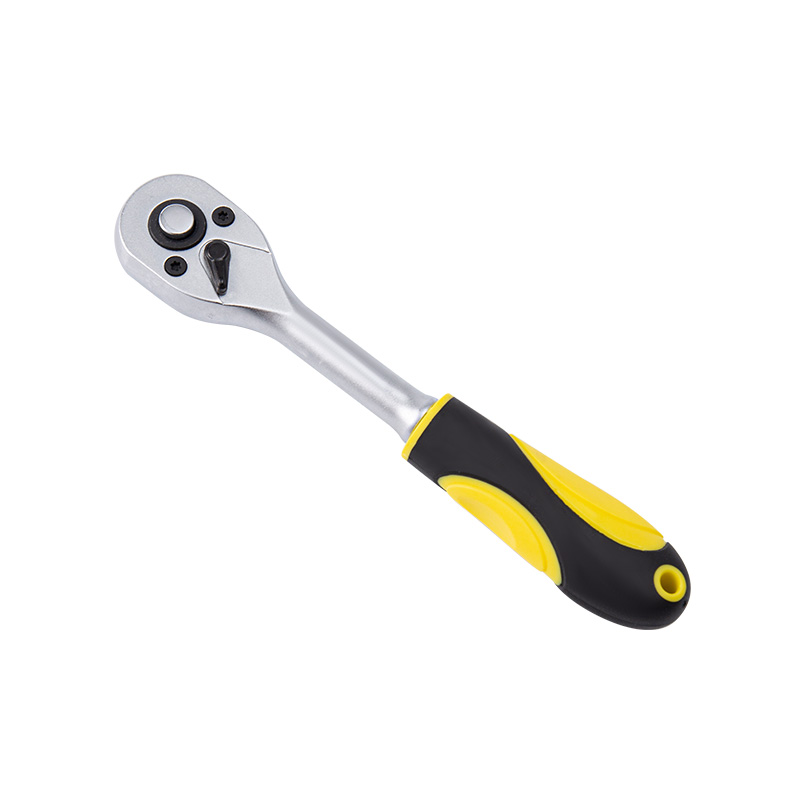
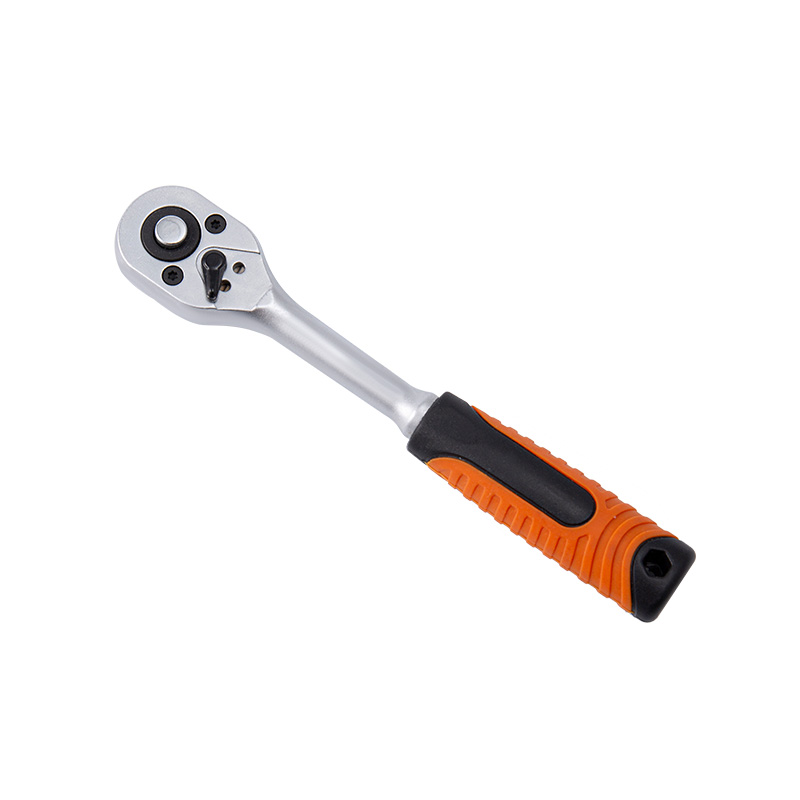
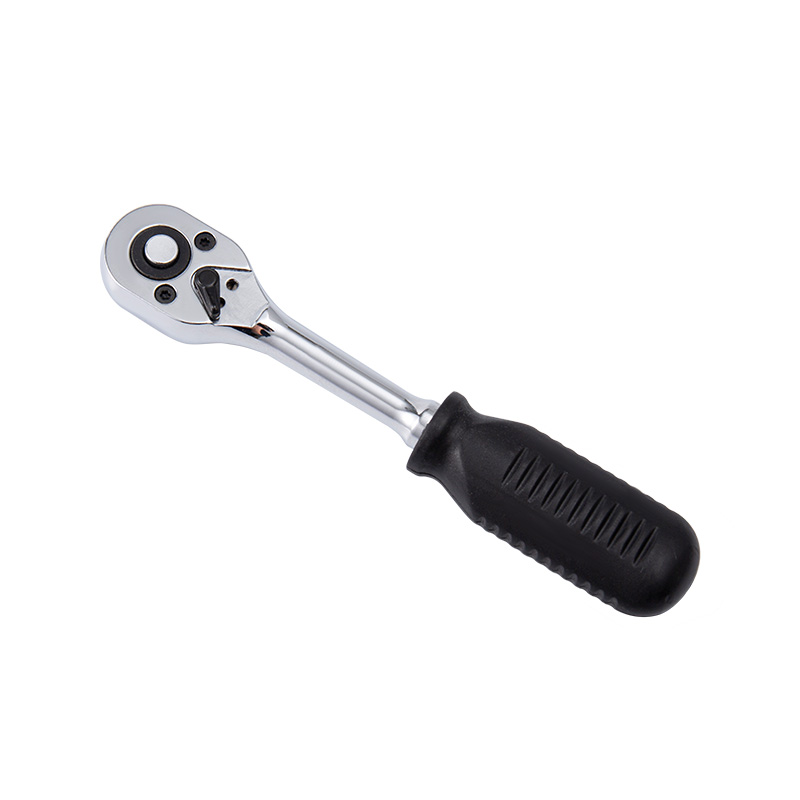
The global automotive repair and maintenance industry is shifting toward faster workflows, higher precision requirements, and more standardized tool systems. As vehicles become more electronically integrated and mechanically compact, technicians need tools that improve accessibility while maintaining torque accuracy and durability. In this context, demand for a Ratchet Handle with Various Tooth Type continues to grow, especially among professional workshops, fleet maintenance teams, and industrial repair distributors who are optimizing their toolkits for efficiency and versatility.
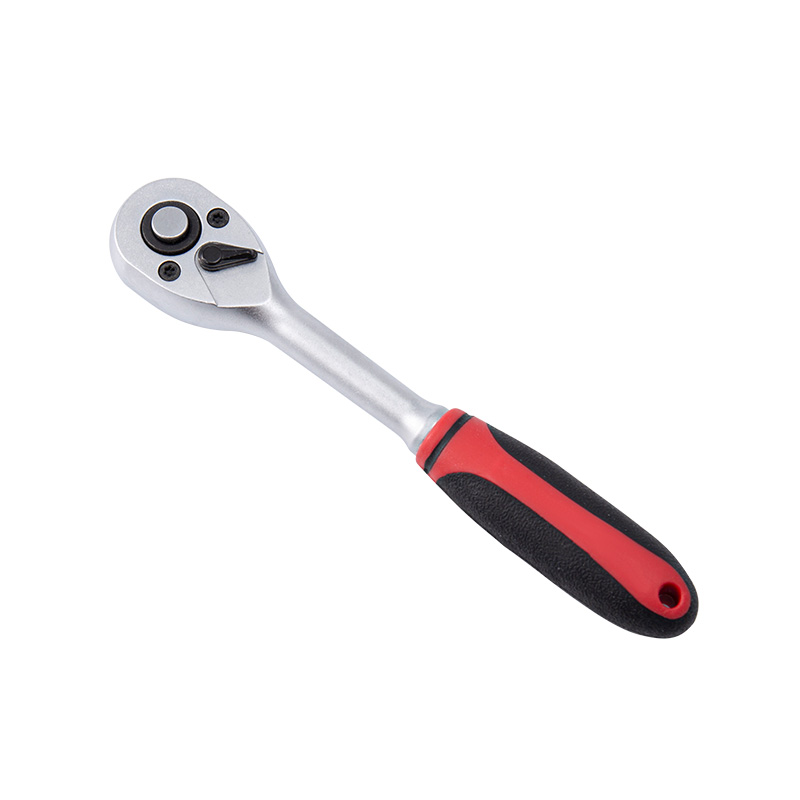
Recent industry search patterns show strong interest in multi-compatibility socket systems, quick-service repair tools, and ergonomic ratchet mechanisms designed for high-frequency workshop use.
Why Is Tool Standardization Becoming Important in Automotive Workshops?
Modern repair environments often involve multiple vehicle brands and models, requiring technicians to switch between different specifications quickly. Standardized tool systems help reduce workflow complexity.
Key benefits include:
- Faster switching between different socket sizes
- Reduced tool inventory complexity in workshops
- Improved workflow organization for technicians
- Lower risk of incorrect tool selection
Standardization improves both productivity and operational consistency.
How Is Tooth Design Innovation Improving Ratchet Performance?
The internal tooth structure of ratchet tools directly affects precision, smoothness, and efficiency during use. Manufacturers are focusing on improving engagement accuracy and reducing mechanical resistance.
Key engineering improvements include:
- Fine-tooth mechanisms for smaller swing angles
- Enhanced engagement smoothness under load
- Reduced backlash during torque application
- Improved durability of internal ratchet components
These improvements make tools more suitable for tight and complex working spaces.
Why Is Torque Control Critical in Professional Automotive Repair?
Accurate torque application is essential in modern vehicles, especially for engine assemblies, braking systems, and electronic housing components. Poor torque control can advance to mechanical failure or safety risks.
Technicians are prioritizing:
- Stable torque transfer without slippage
- Controlled tightening for sensitive components
- Reduced risk of over-tightening fasteners
- Consistent performance in repetitive operations
Reliable torque control improves repair quality and safety.
How Is Material Engineering Enhancing Tool Reliability?
Automotive repair tools must withstand repeated stress and high torque environments, making material quality a key performance factor.
Manufacturers are focusing on:
- Heat-treated alloy steel for durability
- Improved surface hardness for wear resistance
- Anti-corrosion coatings for long-term use
- Structural reinforcement for high-load applications
Stronger materials ensure longer service life and fewer tool replacements.
Why Is Ergonomics Becoming a Key Workshop Requirement?
With increasing repair workloads and longer working hours, tool comfort and usability are becoming essential considerations for professional mechanics.
Key ergonomic improvements include:
- Optimized handle grip design for stability
- Reduced vibration transfer during operation
- Balanced tool weight for easier handling
- Easier directional switching mechanisms
Ergonomics directly impacts technician efficiency and fatigue levels.
Manufacturer Insight: What Are Global Buyers Looking For Today?
As a manufacturer in automotive hand tools, we see a growing preference for integrated tool systems that combine precision, durability, and adaptability. Buyers are increasingly focused on long-term workshop efficiency rather than individual tool cost.
Common OEM expectations include:
- Stable performance across high-volume usage environments
- Custom tooth structure configurations for different markets
- Full compatibility with standard automotive socket systems
- Reliable large-scale supply capability for distributors
This reflects a broader industry shift toward system-based tool procurement.
Are Modular Tool Systems Defining the Next Phase of Automotive Repair?
As automotive technologies evolve and workshop demands increase, modular and precision-driven tool systems are becoming essential for professional maintenance operations. Efficiency, compatibility, and durability now play a central role in purchasing decisions.
In this environment, sourcing a reliable Automotive Repair Socket system helps workshops achieve higher productivity, improved repair accuracy, and long-term operational stability in modern automotive service applications.
Related Products


Copyright © Zhejiang Protec Hardware Co., Ltd.

Extension Bar Wholesale