

 En
En English
 简体中文
简体中文

Industry News
2026-02-13
Why Keep A Specialty Tool Set Clean And Well-Maintained?
Using a Specialty Tool Set can simplify automotive projects, while an Automotive Repair Socket provides a precise way to handle vehicle fasteners. These tools perform reliably when properly cared for, and maintaining them helps ensure their longevity, accuracy, and ease of use. Routine cleaning and maintenance also reduce the risk of damage to the tools or the vehicle during repair work, while supporting safer handling in the workshop.
Understanding the Impact of Dirt and Debris
Automotive repair environments often expose sockets and specialty tools to oil, grease, metal shavings, and dust. If these substances accumulate on the tool, it can interfere with the socket's engagement on a fastener, causing slippage or uneven pressure. Dirt and debris can also scratch or wear the surfaces of the tool over time. Maintaining a clean set ensures that each socket fits fasteners as intended and reduces the effort required during use.
Regular inspection is part of this maintenance. Before starting any repair work, examining the condition of your sockets and other components in a specialty tool set allows you to identify dirt buildup, corrosion, or minor damage. By addressing these issues early, you prevent small problems from turning into larger ones that could affect performance or safety.
Cleaning Techniques for Automotive Repair Sockets
A practical approach to cleaning automotive repair sockets involves removing oil, dust, and residues after each use. Wiping tools with a clean cloth or using a soft brush for hard-to-reach areas helps maintain the shape and function of each socket. In cases where heavy grease or grime has accumulated, mild solvent solutions can be used to dissolve residues without damaging the chrome-plated or treated surface of the steel.
After cleaning, drying is essential to avoid corrosion. Moisture left on the tool can cause rust or surface degradation, which may interfere with the socket’s fit or create rough edges. Storing dry, cleaned tools ensures that they are ready for use when needed, without extra preparation or risk of malfunction.
Lubrication and Joint Maintenance
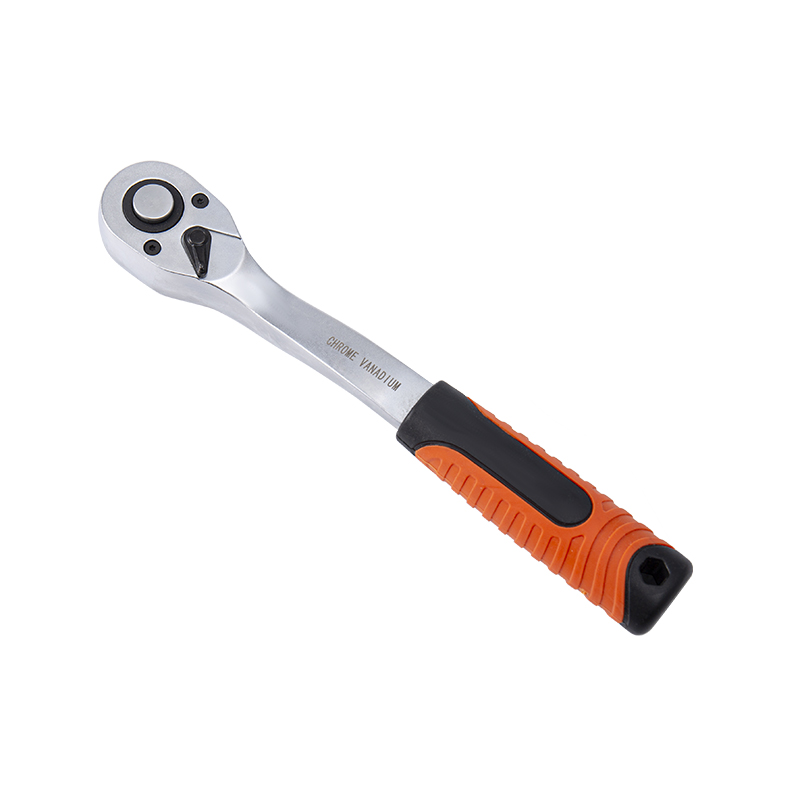
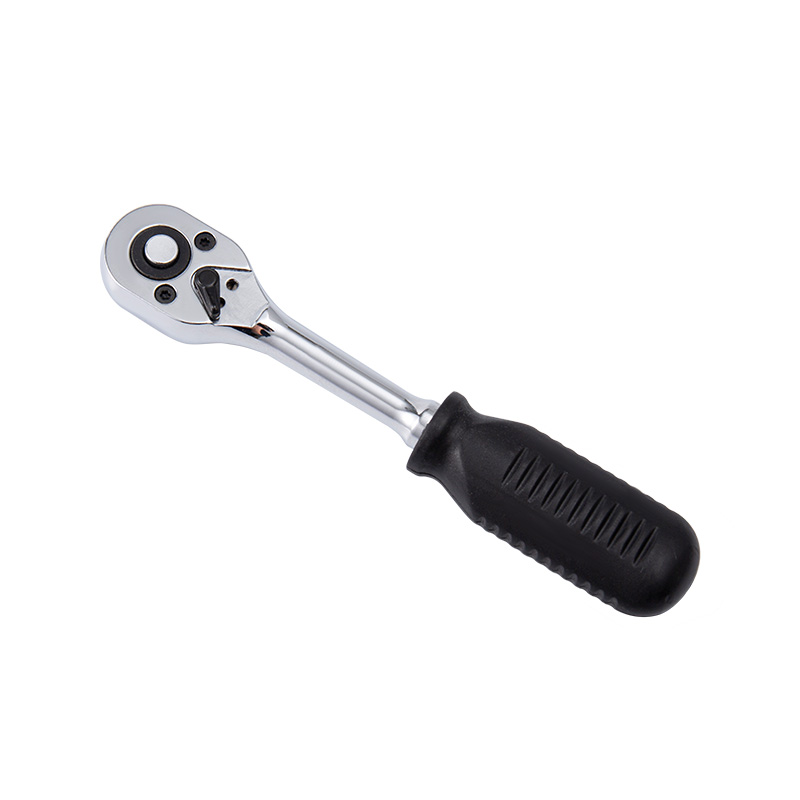
Some specialty tools include moving parts such as ratchets or extensions that work in combination with sockets. Keeping these components lightly lubricated helps maintain smooth operation and prevents binding. A small amount of machine oil applied to joints or pivot points can reduce friction and wear over time.
It is important to avoid over-lubrication, which can attract additional dust and dirt. Wiping excess oil after application ensures that the tool remains functional without collecting debris. This simple step supports consistent performance and keeps the tools easier to handle during repair tasks.
Organized Storage and Accessibility
Proper storage of a specialty tool set protects the individual sockets and accessories from physical damage. Many sets include molded cases, trays, or holders designed to keep each piece separated and secure. Organized storage prevents sockets from rolling, dropping, or banging against each other, which could cause dents, scratches, or distortions that affect their fit on fasteners.
A well-organized set also saves time during repair work. Knowing exactly where each socket or accessory is located reduces the risk of searching through a cluttered toolbox, which can disrupt workflow and increase the chance of mishandling tools.
Inspecting for Wear and Deformation
Even with careful use, repeated application of force can gradually affect sockets. Regular inspection for signs of wear, rounded edges, or small cracks helps maintain the functionality of each component. If any socket shows significant deformation, it should be removed from active use to avoid slipping or damaging fasteners. Keeping a log of tool conditions can support routine maintenance and replacement planning.
For automotive repair sockets, checking both the internal profile and the drive end ensures that the tool remains correctly sized. Specialty tool sets may include multiple socket types—standard, deep, or impact—each requiring similar attention to maintain consistent fit and function.
Safety Considerations
Maintaining a clean and orderly specialty tool set directly affects safety. A greasy or dirty socket can slip unexpectedly, causing hand injuries or damage to vehicle components. Loose or damaged tools in a cluttered workspace may also create tripping hazards or fall on operators. By cleaning and storing tools properly, users reduce the risk of accidents and create a safer environment for repair work.
Additionally, a well-maintained tool set helps prevent unnecessary force during tasks. When sockets fit fasteners correctly, less effort is needed to turn bolts or nuts, which reduces strain on hands and wrists. This is particularly relevant when working in tight spaces or applying repeated torque.
Extending Tool Longevity and Efficiency
Regular cleaning, lubrication, inspection, and organized storage all contribute to the longer service life of a specialty tool set. Sockets that remain in good condition maintain their size and shape, reducing the likelihood of fastener damage. This consistent fit also ensures that repair work can proceed with smoother operation and fewer interruptions.
Related Products


Copyright © Zhejiang Protec Hardware Co., Ltd.

Extension Bar Wholesale