

 En
En English
 简体中文
简体中文

Industry News
2026-02-06
What Safety Tips Apply When Using Automotive Repair Socket?
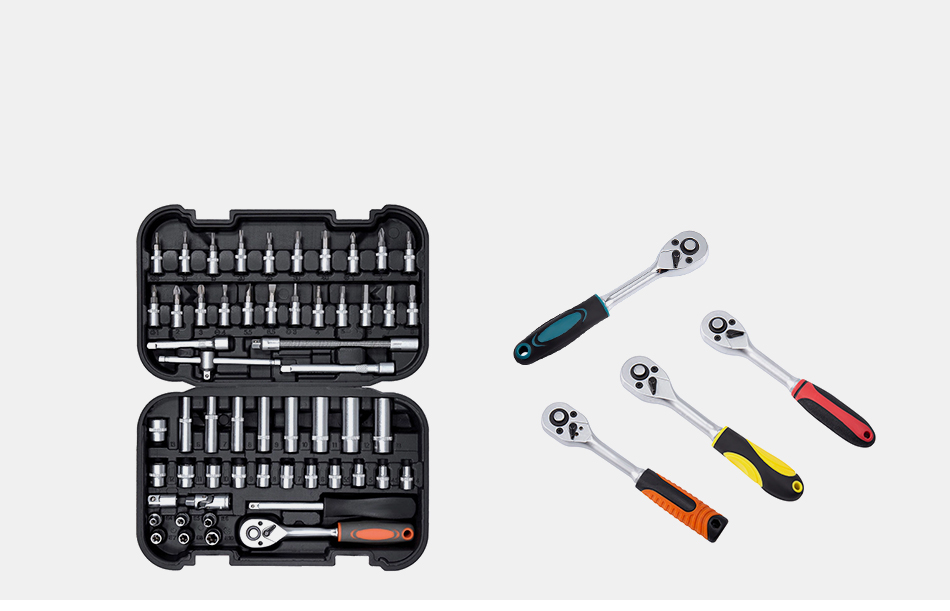
Working with a Specialty Tool Set can make automotive maintenance more organized, while an Automotive Repair Socket provides a focused way to engage with vehicle fasteners. While these tools enhance efficiency, proper handling is essential to ensure safety and avoid damage to both the vehicle and the user. Understanding the correct practices when using sockets in automotive repair can prevent accidents and extend the service life of your tools.
Understanding the Tool and Its Applications
Before beginning any automotive work, it is important to recognize the characteristics of the socket you intend to use. Automotive repair sockets are available in different configurations, including standard, deep, and impact types. Each type is designed for specific tasks, from routine bolt tightening to handling long-threaded fasteners in confined areas. Selecting the right socket from a specialty tool set ensures that the tool fits securely onto the fastener, reducing slippage and improving control.
Sockets are typically made from materials such as chrome vanadium steel, which provides strength while maintaining a manageable weight. The material undergoes heat treatment processes to improve hardness and consistency. Additionally, a chrome-plated finish may be present to reduce corrosion. Understanding these features helps users handle the tools appropriately, avoiding excessive force or misuse that could compromise both the tool and the vehicle component.
Preparing the Work Area and Yourself
Safety begins with preparation. Before engaging with an automotive repair socket, clear the workspace of unnecessary objects that may obstruct movement. Ensure the vehicle is properly supported with jack stands or ramps if lifting is required. Working on uneven or unstable surfaces increases the risk of slips or dropped tools.
Personal safety equipment should be used consistently. Gloves protect hands from sharp edges and chemical exposure, while safety glasses prevent particles from contacting the eyes. Closed-toe shoes are recommended to avoid injuries if a socket or fastener is accidentally dropped. A well-lit workspace allows users to see the fasteners clearly, reducing the chance of incorrectly seating the socket.
Proper Tool Selection and Handling
Choosing the correct socket size is essential for safety and effectiveness. Automotive repair sockets come in various drive sizes, commonly 1/4-inch, 3/8-inch, and 1/2-inch. Using a socket that does not fit the fastener precisely increases the risk of rounding edges or slipping during operation. Socket sets often provide multiple sizes and types, offering versatility for different fasteners within the same vehicle.
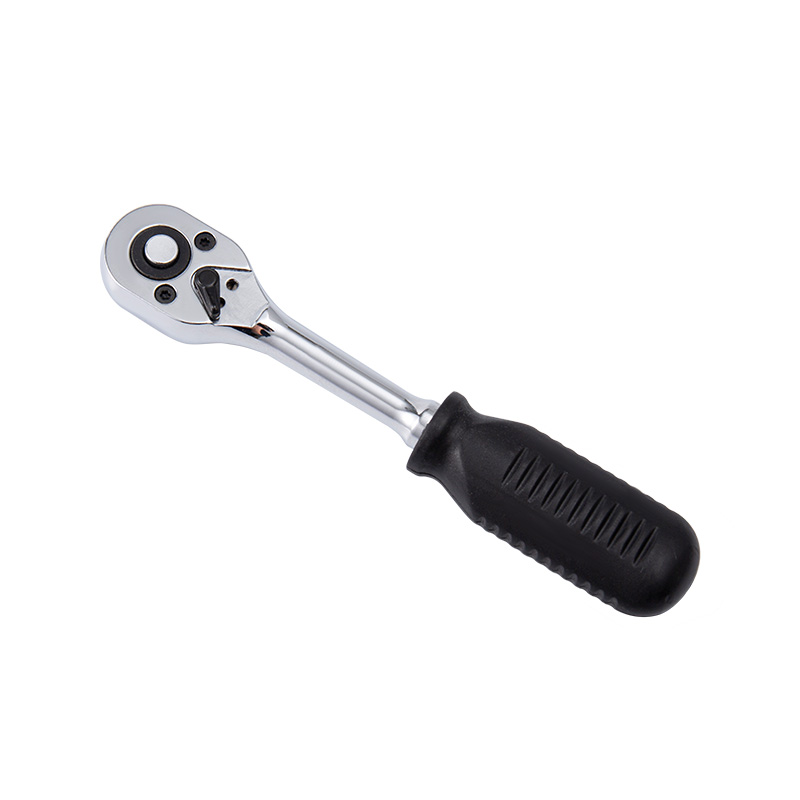
When connecting a socket to a ratchet or extension, ensure the attachment is secure. Loose connections may result in the socket detaching during use, which can cause injury or damage surrounding components. For impact sockets, avoid using them with hand tools unless explicitly indicated, as they are designed to endure the forces generated by pneumatic or electric impact drivers.
Correct Application Techniques
Applying consistent and controlled pressure is key when using an automotive repair socket. Sudden, jerky movements can cause slippage or stripped fasteners. Align the socket straight with the fastener axis to maintain contact and distribute force evenly. For long or deep bolts, use an extension to improve access while keeping hands away from pinch points.
When loosening fasteners, consider the torque required. Excessive force may damage the socket or the fastener, while insufficient force can prolong the task and increase hand strain. Utilizing a specialty tool set that includes handles of appropriate length helps manage torque more safely.
For high-torque applications, using impact sockets with compatible tools is recommended. These sockets have reinforced walls that handle repeated impact forces without cracking. It is important to inspect sockets regularly for cracks, deformation, or wear, replacing them if any signs of compromise appear.
Maintaining Stability and Awareness
Maintaining balance and awareness is often overlooked but is essential for safe use of automotive repair sockets. Avoid overreaching or working in awkward positions that compromise control. Ensure your footing is secure and the tool remains perpendicular to the fastener during operation.
When working near vehicle engines or exhaust components, ensure that all parts are cool and that any moving parts are secured. Sudden engagement of components or hot surfaces can result in burns or other injuries. Keep tools and hands away from pinch points, and make adjustments slowly to maintain control at all times.
Storage and Care
Proper storage of sockets and specialty tools also contributes to safe use. After completing a task, clean sockets to remove oil, dirt, and metal shavings that can affect performance. Organize sockets in cases or holders that prevent them from rolling or falling, reducing the risk of trips and accidental injuries. Periodically inspect sockets for wear or corrosion, replacing those that show significant signs of deterioration.
A well-maintained specialty tool set allows for safer and more predictable handling. Consistent care ensures that sockets remain aligned and fit fasteners accurately, which is essential when performing repeat tasks or working in limited spaces.
Related Products


Copyright © Zhejiang Protec Hardware Co., Ltd.

Extension Bar Wholesale