

 En
En English
 简体中文
简体中文

Industry News
2026-02-20
How To Organize A Specialty Tool Set For Quick Access?
A Specialty Tool Set can simplify many automotive tasks, while an Automotive Repair Socket allows for precise handling of fasteners. Keeping these tools organized ensures that they are accessible when needed, reducing time spent searching and improving workflow efficiency. Proper organization also helps preserve the condition of the tools, preventing damage and maintaining their fit over repeated use.
Assessing the Tool Collection
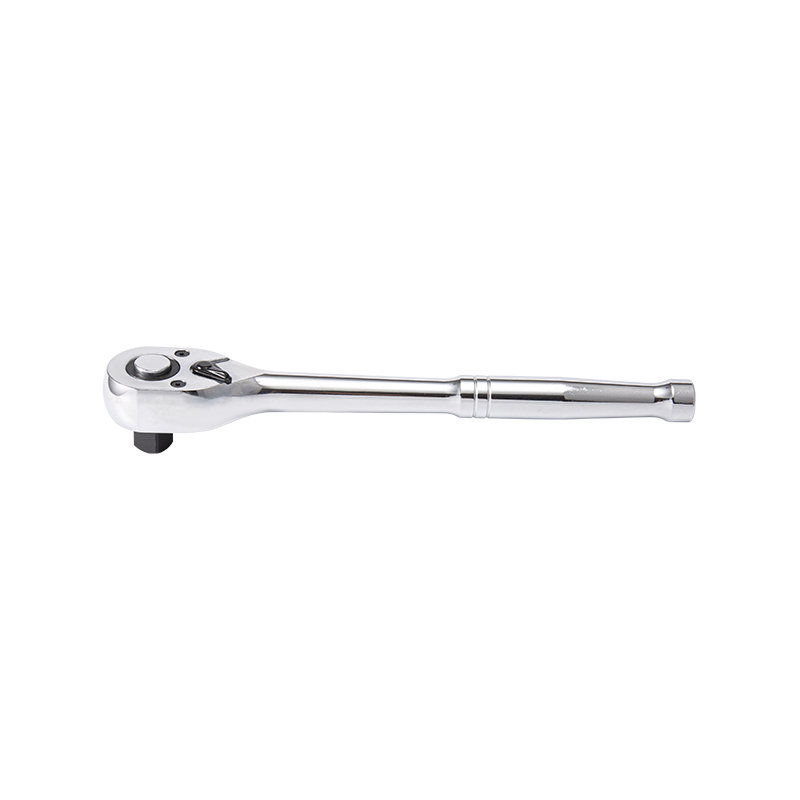
Before arranging a specialty tool set, it is helpful to review the types of tools included and their typical applications. Automotive repair sockets may vary in size, depth, and drive type. Standard sockets, deep sockets, and impact sockets each have unique characteristics that influence how they should be stored. Understanding these differences allows for arranging tools in a way that reflects frequency of use, ease of access, and convenience during repairs.
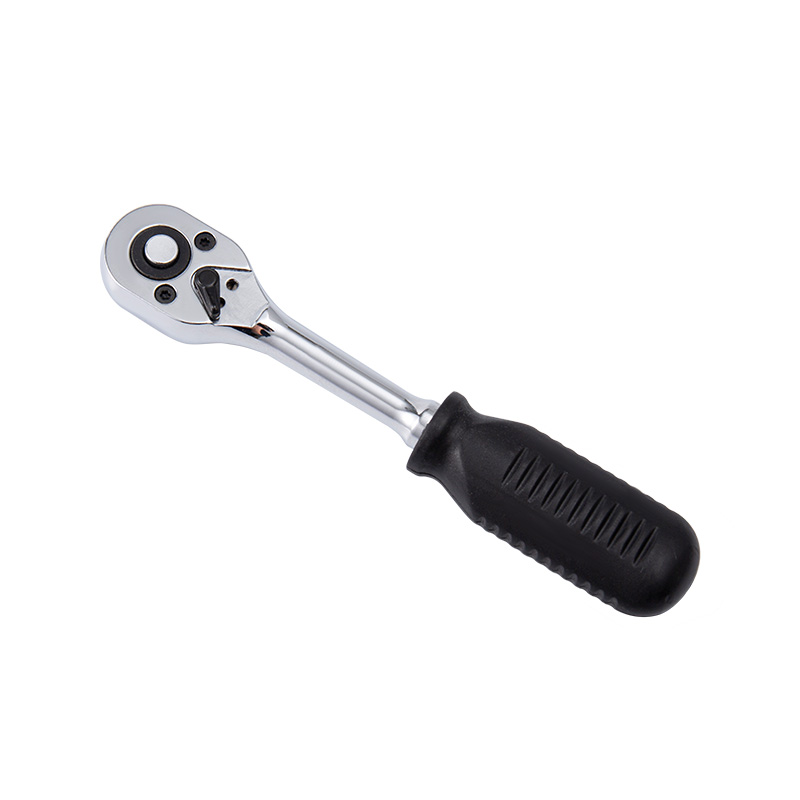
Take note of smaller components such as socket extensions, ratchets, and adapters. Keeping these associated parts together with their compatible sockets reduces confusion and ensures that the tools function as intended when needed. Evaluating the complete set also provides an opportunity to inspect for any worn or damaged tools that may need replacement or cleaning before storage.
Choosing a Storage Method
Selecting a suitable storage solution is important for organizing a specialty tool set. Many sets include molded cases or trays specifically designed to hold each socket securely. These holders prevent tools from rolling, bumping into each other, or becoming misplaced. For larger workshops, separate tool cabinets with labeled drawers or compartments may be used to store multiple sets or additional accessories.
Clear labeling of compartments or trays enhances quick access. Marking socket sizes and drive types on storage spaces allows users to identify the correct tool at a glance. This arrangement can prevent interruptions during repair work and reduces the risk of applying incorrect torque to fasteners due to using the wrong socket size.
Arranging Tools by Type and Size
Organizing sockets systematically improves efficiency. One approach is to group sockets by drive size—1/4-inch, 3/8-inch, and 1/2-inch—so that users can quickly locate the appropriate tool. Within each drive size, arranging sockets in order of size ensures that similar tools are kept together, further reducing search time.
Impact sockets should be separated from standard sockets due to differences in wall thickness and intended usage. Similarly, deep sockets can be grouped together to allow for rapid selection when working with long-threaded fasteners. Keeping compatible tools together, such as ratchets with their respective socket sets, also supports smoother workflow and reduces the likelihood of misplaced items.
Maintaining Accessibility for Frequent Use
Tools that are used regularly should be stored in easily reachable locations. Sockets and ratchets frequently employed during routine automotive maintenance can be placed at the front of a tray or drawer for immediate access. Less commonly used accessories, such as specialty adapters or larger sockets, may be stored in the rear or in separate compartments.
Using a logical layout based on usage frequency not only saves time but also reduces interruptions while performing repairs. This method supports a workflow where tools are selected, used, and returned efficiently, keeping the workspace organized and reducing distractions during complex tasks.
Cleaning and Inspection During Organization
Organizing a specialty tool set provides an opportunity for cleaning and inspection. Dust, oil, and metal shavings can accumulate on sockets and accessories over time. Wiping down tools before storing them helps prevent buildup that could affect fit or create slippery surfaces.
Regular inspection for minor wear, corrosion, or damage ensures that sockets remain in usable condition. Replacing or setting aside compromised tools during organization protects both the remaining tools and the components they interact with. Keeping tools clean and in good condition supports consistent engagement with fasteners and reduces the likelihood of slippage.
Maintaining Consistency
Once a tool set is organized, consistency in returning items to their designated spaces is essential. Developing a habit of replacing each socket and accessory after use helps maintain the system and prevents clutter. Labeling trays and compartments clearly, along with providing visual cues for each tool, reinforces this practice and allows multiple users to work with the set without confusion.
Considering Portability
For automotive work performed in different locations, the portability of a specialty tool set should be factored into the organization. Cases with handles, latches, and compartments that secure tools in place prevent movement during transport. Keeping sockets in molded slots or foam inserts ensures that each piece remains in position, reducing the risk of damage or loss.
Portable organization also allows tools to be deployed quickly at the job site. When tools are stored securely and accessibly, technicians can begin work without additional setup, making routine maintenance and repair tasks more efficient.
Related Products


Copyright © Zhejiang Protec Hardware Co., Ltd.

Extension Bar Wholesale