

 En
En English
 简体中文
简体中文

Industry News
2026-02-27
How To Select The Right Automotive Repair Socket For Jobs?
A Specialty Tool Set can streamline automotive tasks, while an Automotive Repair Socket provides a secure connection to fasteners of various types. Selecting the correct socket for a job is essential to ensure that fasteners are handled safely and efficiently, and that the tools maintain their shape and fit over repeated use. Understanding the types, sizes, and material characteristics of sockets allows users to make informed choices for different repair situations.
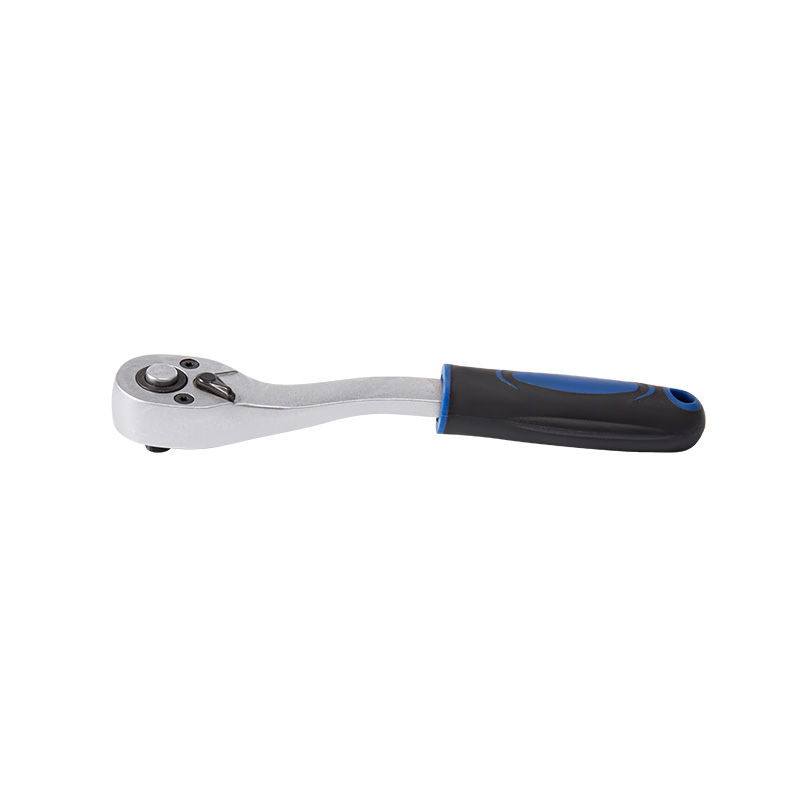
Understanding Socket Types
Automotive repair sockets are available in several configurations, each suited to specific types of fasteners. Standard sockets are commonly used for general bolts and nuts, providing a straightforward fit for everyday tasks. Deep sockets extend further, allowing access to long-threaded fasteners or bolts recessed within assemblies. Impact sockets are designed to withstand higher forces generated by pneumatic or electric impact tools.
A specialty tool set often includes a mix of these socket types. Familiarity with their design helps users select the appropriate socket for the task at hand. Using the wrong type, such as a standard socket on an impact wrench, can cause deformation of the socket or damage to the fastener.
Matching Socket Sizes to Fasteners
Correct socket size selection is fundamental for effective and safe operation. Sockets are measured by the distance across the flats of a fastener, typically in metric or SAE units. Choosing a socket that fits snugly over the fastener reduces slippage and wear on both the tool and the fastener.
When working with automotive repair sockets, it is helpful to have a set that covers a range of sizes.Misfit sockets can round corners or edges, which may require additional time to correct and could result in unsafe conditions during use.
Material and Finish Considerations
Automotive repair sockets are typically made from materials such as chrome vanadium steel, which provides strength and resistance to wear. Heat-treated steel improves durability, while a chrome-plated finish reduces the likelihood of rust or surface corrosion. Understanding the material properties can guide users in selecting sockets suitable for the conditions of the work environment, including exposure to moisture or chemicals.
Impact sockets often use thicker walls or additional reinforcement to tolerate repeated high-torque applications. Standard sockets may have thinner walls to fit tighter spaces. Selecting the socket type based on material and design characteristics ensures the tool is appropriate for the fastener and the application.
Evaluating Fastener Accessibility
Automotive repair often involves fasteners located in confined or recessed areas. Deep sockets or sockets with specialized profiles may be necessary for these situations. A specialty tool set that provides a variety of socket lengths allows users to reach hard-to-access fasteners without applying awkward force, which can reduce the risk of injury or tool slippage.
Considering the accessibility of the fastener before selecting a socket also improves efficiency. A well-chosen socket allows smooth engagement with minimal adjustment, reducing the number of attempts needed to secure or loosen a fastener.
Inspecting Tool Condition
Before using an automotive repair socket, it is important to check its condition. Worn edges, cracks, or minor deformations can affect fit and may cause slippage or damage. Regular inspection of sockets within a specialty tool set helps maintain consistent performance and safety. Replacing or setting aside compromised tools prevents potential issues during repair work.
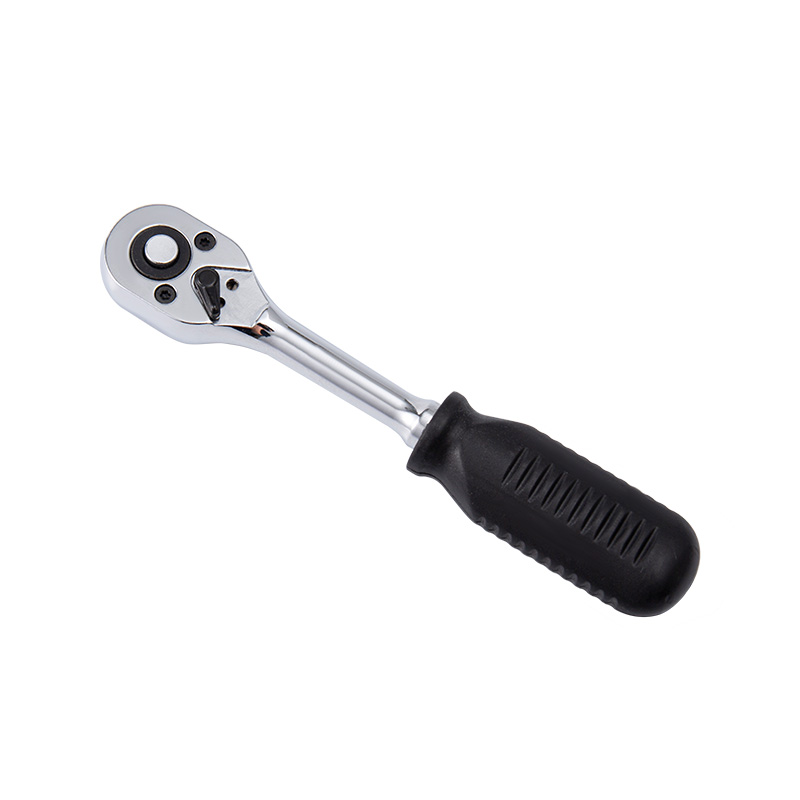
Ensuring that ratchets, extensions, and other components are also in good condition supports smooth operation. Loose connections or worn parts can reduce control, which increases the risk of mishandling fasteners.
Matching Job Requirements
Different automotive tasks require different torque levels, socket types, and configurations. Understanding the job requirements helps guide socket selection. For example, engine components may involve high-torque fasteners that require impact sockets, while interior panels may use smaller standard sockets for lighter bolts.
A specialty tool set provides flexibility to meet a range of automotive repair needs. Being deliberate about which socket to use for each job reduces the likelihood of fastener damage and allows the repair to proceed with fewer adjustments or retries.
Related Products


Copyright © Zhejiang Protec Hardware Co., Ltd.

Extension Bar Wholesale