

 En
En English
 简体中文
简体中文

Industry News
2026-03-06
Why Different Tooth Types Matter In Ratchet Handle Performance?
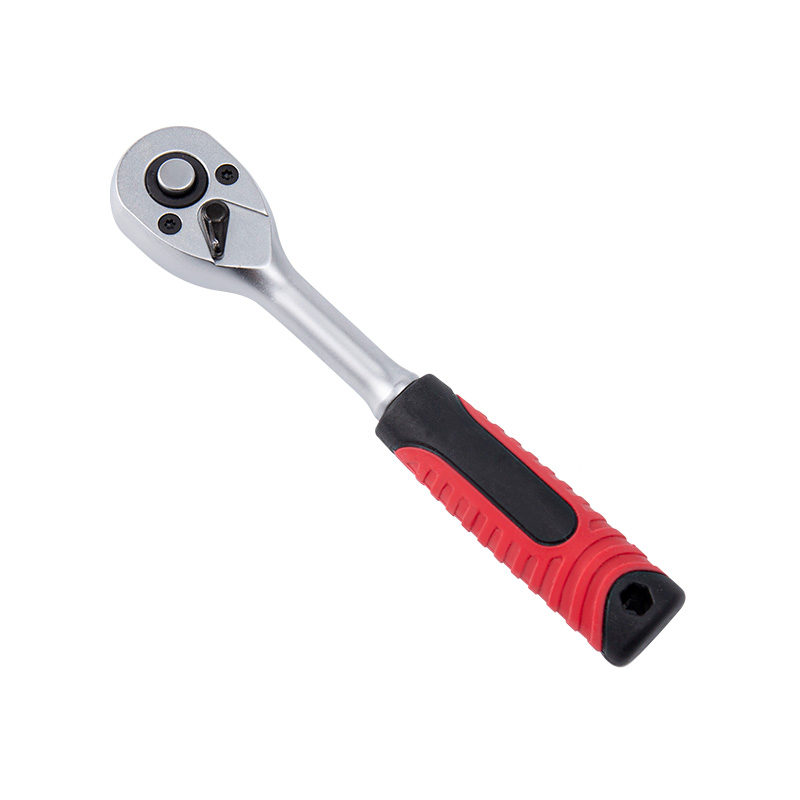
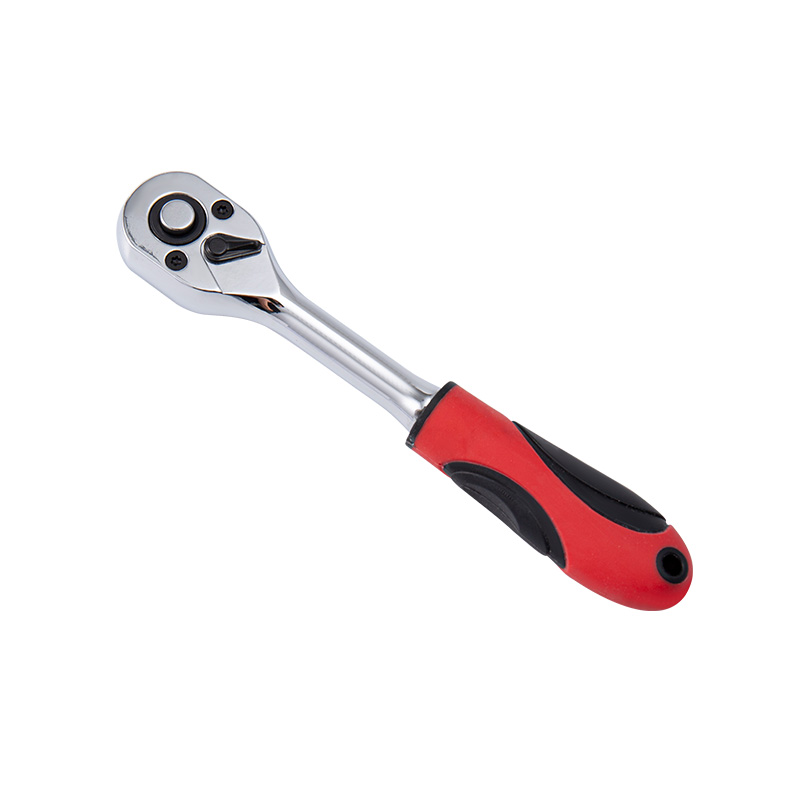
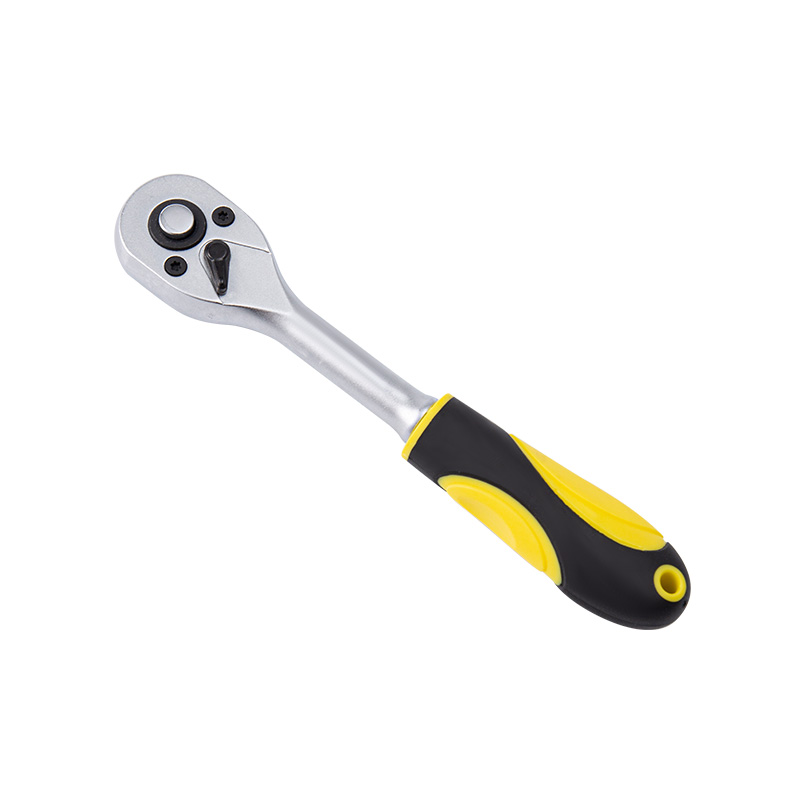
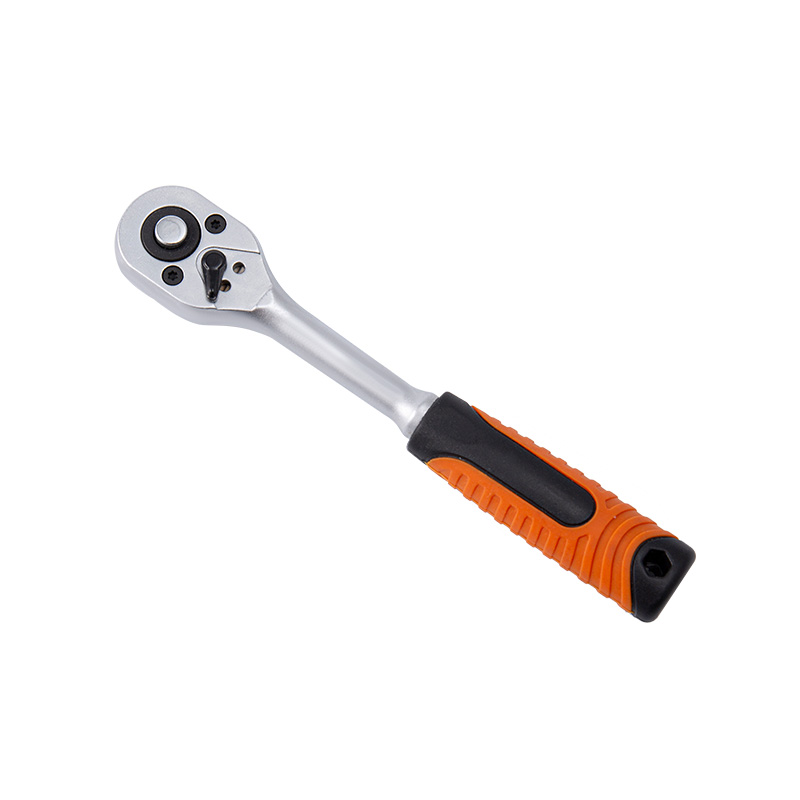
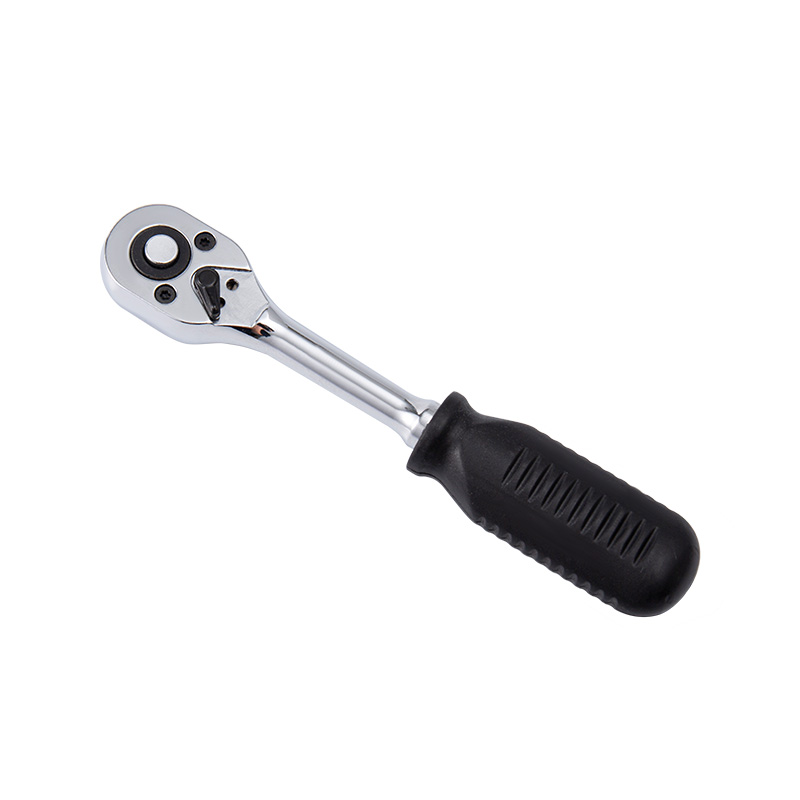
When working with fasteners in mechanical, automotive, or home workshop settings, the combination of a Ratchet Handle with Various Tooth Type and a Universal Joint Socket can significantly influence efficiency and ease of use. Ratchets are often taken for granted as simple turning tools, yet the subtle differences in tooth design directly affect how smoothly and precisely the tool operates, especially in confined or challenging spaces. Similarly, the use of a universal joint socket enhances the reach and flexibility of ratchets, allowing users to navigate around obstacles without needing to reposition the tool repeatedly.
Understanding the relationship between tooth type and ratchet performance helps users select the right tool for specific tasks, whether tightening small screws or handling larger bolts in limited spaces. This article explores the practical aspects of ratchet handles with different teeth, their operational mechanics, and the functional advantages provided by universal joint sockets.
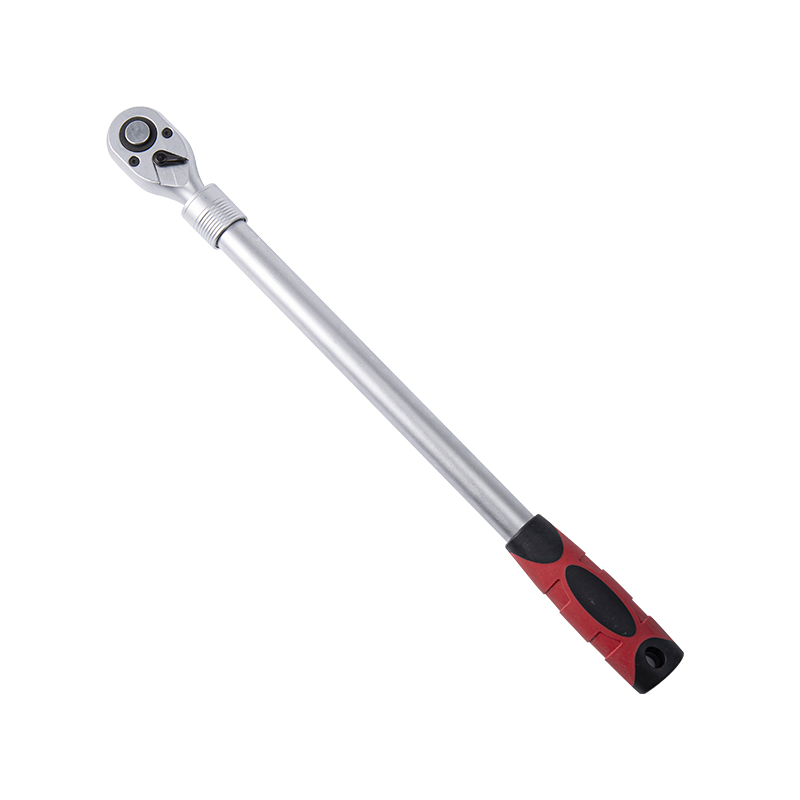
Tooth Design and Its Practical Impact
The gear mechanism inside a ratchet handle determines the interaction between the handle and the fastener. Different tooth types—typically fine-tooth and standard-tooth designs—affect the swing arc, torque application, and overall handling experience.
Fine-tooth ratchets feature more teeth on the gear, which reduces the swing arc required to engage the next tooth. This design is particularly useful in areas with limited clearance, allowing incremental turns without repositioning the handle frequently. On the other hand, standard-tooth ratchets have fewer teeth, which allows for faster rotation in open spaces but requires more room to move the handle back and forth.
Using the appropriate tooth type ensures that repetitive tasks can be performed efficiently, reducing strain on the hand and wrist while providing a consistent turning motion. Moreover, selecting the correct tooth type helps maintain control over torque application, particularly when working with sensitive fasteners or components where precision is important.
Fine-Tooth vs Standard-Tooth Ratchets
Fine-Tooth Design:
- Smaller swing arc, suitable for tight spaces.
- Each ratchet click moves the fastener in smaller increments, offering better control.
- Less repositioning is required, saving time in confined areas.
Standard-Tooth Design:
- Faster rotational movement in open spaces.
- Larger swing arc, requiring more space to operate effectively.
- Useful for tasks where speed is more important than limited clearance.
Choosing between these designs is not about better or worse but about matching the tool to the working environment. Fine-tooth ratchets excel in cramped engine compartments, behind panels, or in assembly lines where hand movement is restricted, while standard-tooth options are appropriate for larger, accessible fasteners.
Universal Joint Socket Integration
The Universal Joint Socket complements the ratchet handle by increasing the accessibility of fasteners that are not aligned with the ratchet handle. This tool allows the socket to pivot in multiple directions, making it possible to reach bolts at awkward angles without removing the ratchet or changing position frequently.
The combination of a ratchet handle with a universal joint socket provides practical advantages: it reduces the need for complex adjustments, enhances workflow efficiency, and allows users to maintain steady pressure on the fastener. This is particularly useful in automotive repairs or machinery maintenance, where bolts are often recessed or positioned in locations that limit straight-line access.
Ergonomics and Handling Considerations
Comfort and handling are critical factors when working with ratchets for extended periods. An ergonomically designed handle provides a secure grip and reduces fatigue, even when high torque is required. Ratchet handles with varying tooth types benefit from a balanced feel, ensuring that users can apply controlled force without straining their hand or wrist. Non-slip materials on the handle improve control in oily or damp conditions, further enhancing safety and precision.
Material Selection and Durability
A practical ratchet handle is built to withstand repeated use and moderate torque. Gear mechanisms made from hardened and tempered steel maintain consistent performance over time, while chrome plating or similar finishes resist corrosion and wear. These material choices prevent deformation and prolong the functional life of both fine-tooth and standard-tooth ratchets.
Universal joint sockets also benefit from robust materials. High-strength alloys ensure that pivot points remain stable, and the socket retains a secure fit during operation. Reliable construction reduces the risk of tool failure and makes regular maintenance or replacement less frequent, providing consistent results in everyday use.
Versatility Across Tasks
Ratchet handles with various tooth types, combined with universal joint sockets, offer flexibility for a wide range of tasks:
- Suitable for automotive repairs, household assembly, and machinery maintenance.
- Compatible with multiple socket sizes, including 1/4-inch, 3/8-inch, and 1/2-inch drives.
- Allows work in both open and constrained spaces by adjusting tooth type selection.
- Quick-release or pivoting features simplify switching sockets or reaching hard-to-access fasteners.
Related Products


Copyright © Zhejiang Protec Hardware Co., Ltd.

Extension Bar Wholesale