

 En
En English
 简体中文
简体中文

Industry News
2026-03-13
How To Select Ratchet Handle With Various Tooth Type Correctly?
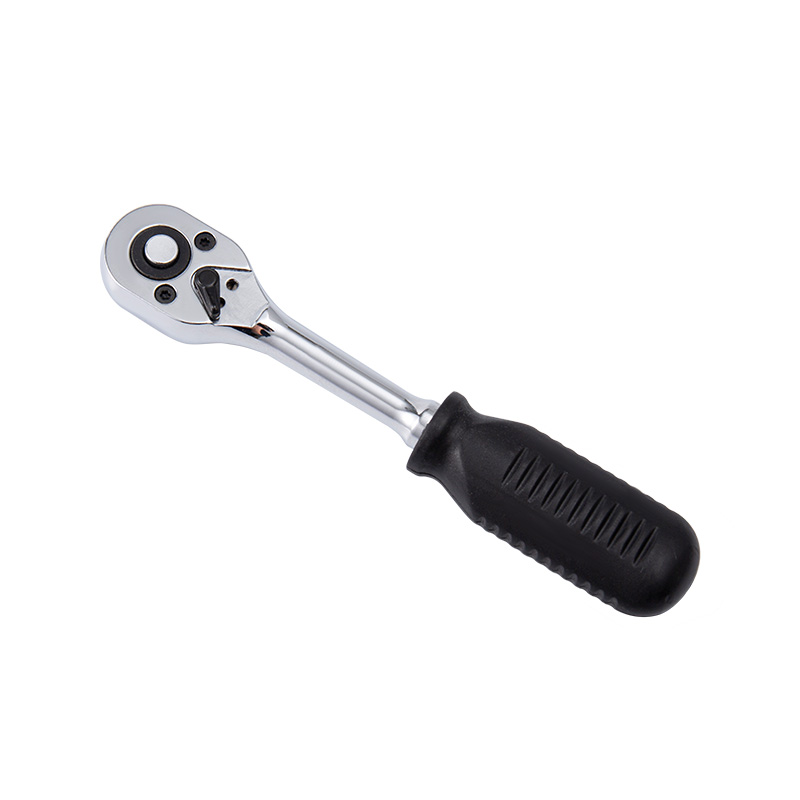
When working on mechanical projects, automotive repairs, or home maintenance, choosing the right Ratchet Handle with Various Tooth Type along with a Universal Joint Socket can significantly influence workflow efficiency and ease of handling. Ratchets may appear simple, but variations in tooth design and compatibility with flexible sockets affect how smoothly and accurately the tool performs, particularly in confined or awkward spaces. Understanding these differences can help users make informed decisions and use the tool effectively without unnecessary adjustments.
Selecting a ratchet handle involves more than choosing a size or brand. The type of teeth, handle design, material construction, and accessory compatibility all play practical roles in determining how well a ratchet performs in different situations. Similarly, incorporating a universal joint socket allows the tool to reach fasteners at various angles, reducing the need for repetitive repositioning.
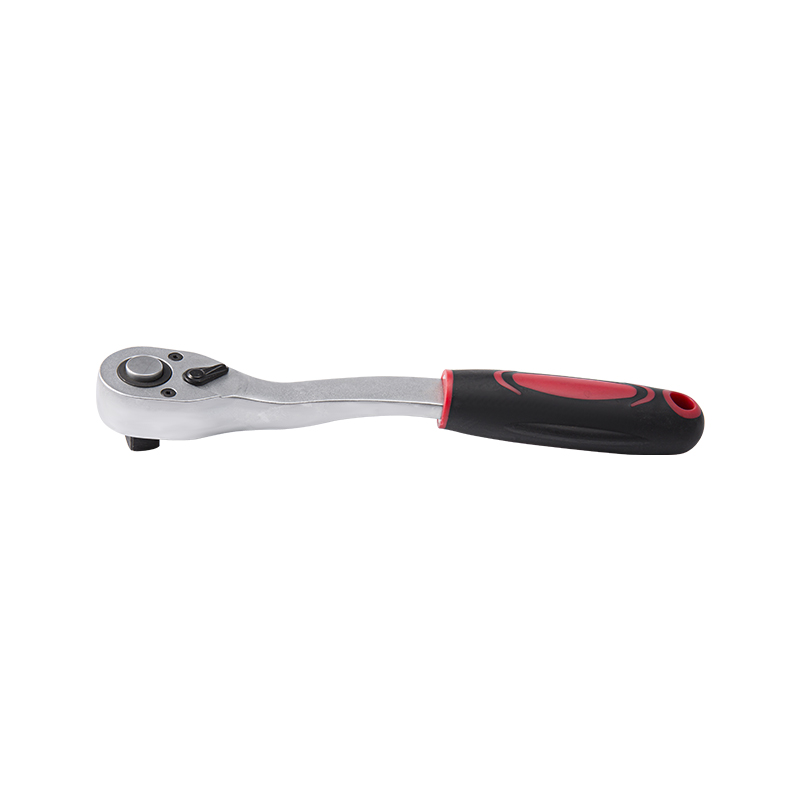
Tooth Types and Their Applications
The teeth inside a ratchet handle control how the tool engages with the fastener. Choosing the appropriate tooth type is important for achieving controlled rotation and efficient operation. There are generally two main types:
Fine-tooth ratchets have a greater number of teeth, which reduces the swing arc needed to engage the next tooth. This design is suitable for spaces where hand movement is limited, such as engine compartments, behind panels, or tightly packed assemblies. Standard-tooth ratchets have fewer teeth and a larger swing arc, which allows quicker rotation when more space is available but requires more room to operate.
By matching the tooth type to the working environment, users can maintain smoother motion, avoid unnecessary handle repositioning, and apply torque consistently across fasteners.
Factors To Consider When Selecting a Ratchet Handle
Space Constraints: Determine whether you are working in confined or open areas. Fine-tooth designs allow incremental turns in tight spots, while standard-tooth ratchets are effective in open spaces.
- Drive Size Compatibility: Ratchet handles come in different drive sizes, typically 1/4-inch, 3/8-inch, and 1/2-inch. Choosing a drive size that matches your sockets ensures proper fit and torque application.
- Torque Requirements: Consider the amount of force needed for the task. Handles constructed from tempered steel or high-strength alloys provide stable performance under moderate torque.
- Socket Flexibility: Using a universal joint socket can help reach fasteners at unusual angles, so ensure the ratchet handle can accommodate such accessories.
- Handle Comfort: Ergonomic grips and non-slip materials reduce fatigue and improve control, especially during extended use.
By evaluating these factors, users can select a ratchet handle that suits the physical conditions of the task while maintaining safety and control.
This design not only simplifies the operation but also helps maintain consistent torque application. While a straight ratchet may struggle with restricted angles, a universal joint socket provides a practical solution for accessing hard-to-reach bolts and nuts.
Ergonomics and Handling Considerations
Comfortable handling is critical in any workshop task. Ergonomically shaped ratchet handles provide a secure grip that reduces hand fatigue. Non-slip materials maintain grip in oily or damp environments, which helps prevent slips and improves accuracy when turning fasteners.
The ratchet mechanism itself also contributes to handling. A smooth, low-resistance gear system allows the handle to move back and forth with minimal effort, enabling precise control over the fastener without placing excessive strain on the user's wrist or hand. This is particularly important for fine-tooth ratchets, where incremental turns are frequent.
Construction and Material Selection
Durable materials ensure that both the ratchet handle and universal joint socket retain their functional integrity over repeated use. Ratchet gears are typically made from hardened and tempered steel, which reduces wear and deformation. Handles and sockets made from high-strength alloys provide stability during torque application. Chrome or similar protective finishes prevent corrosion and maintain consistent performance in environments exposed to moisture or dirt.
Selecting a ratchet with appropriate materials allows users to focus on the task without frequent tool adjustments or replacements. Reliable construction contributes to consistent operation across a range of fastener types and positions.
Related Products


Copyright © Zhejiang Protec Hardware Co., Ltd.

Extension Bar Wholesale