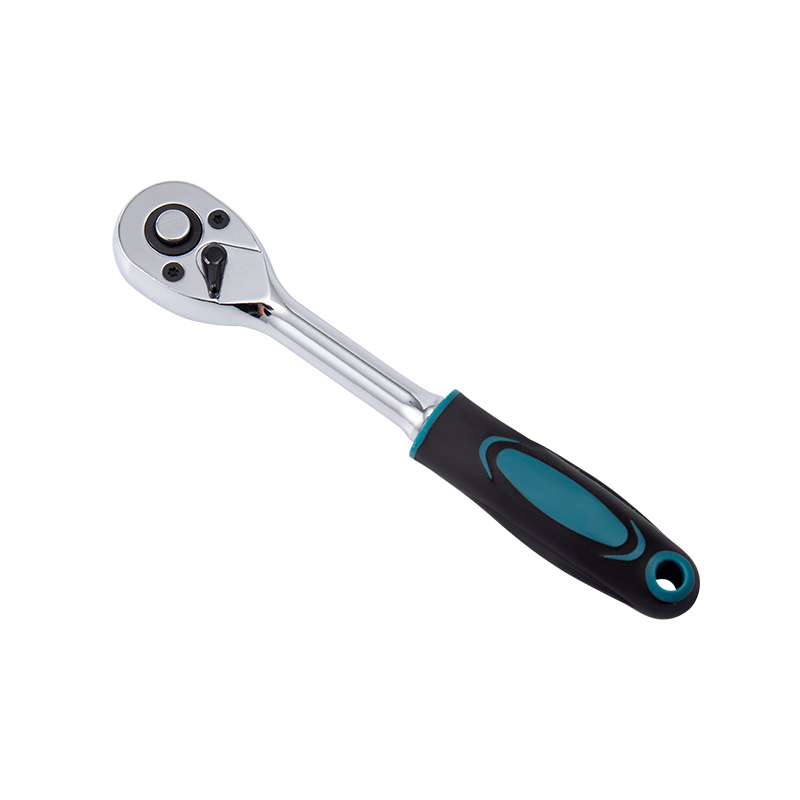
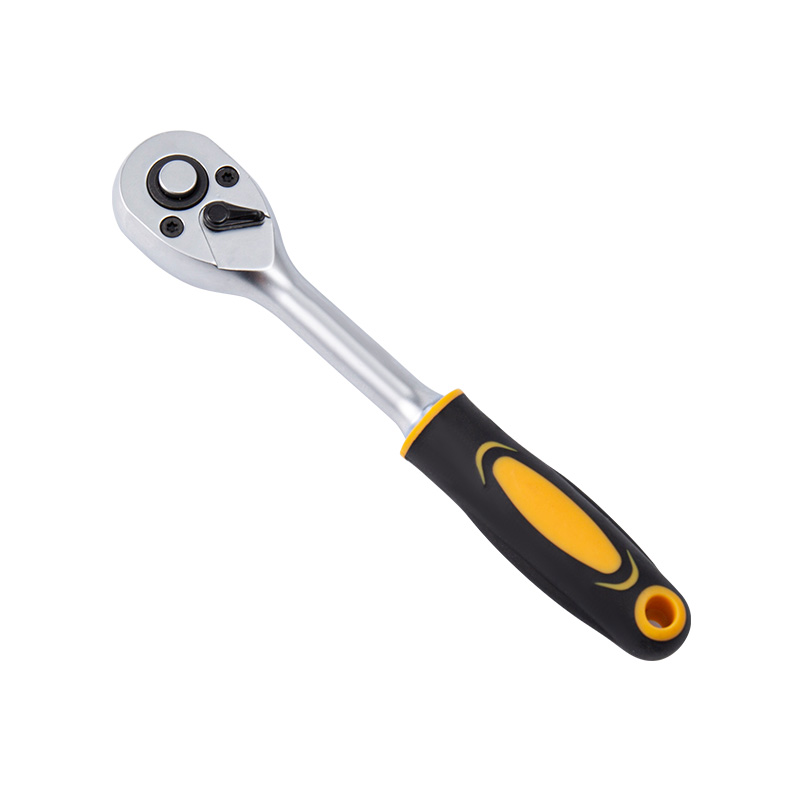
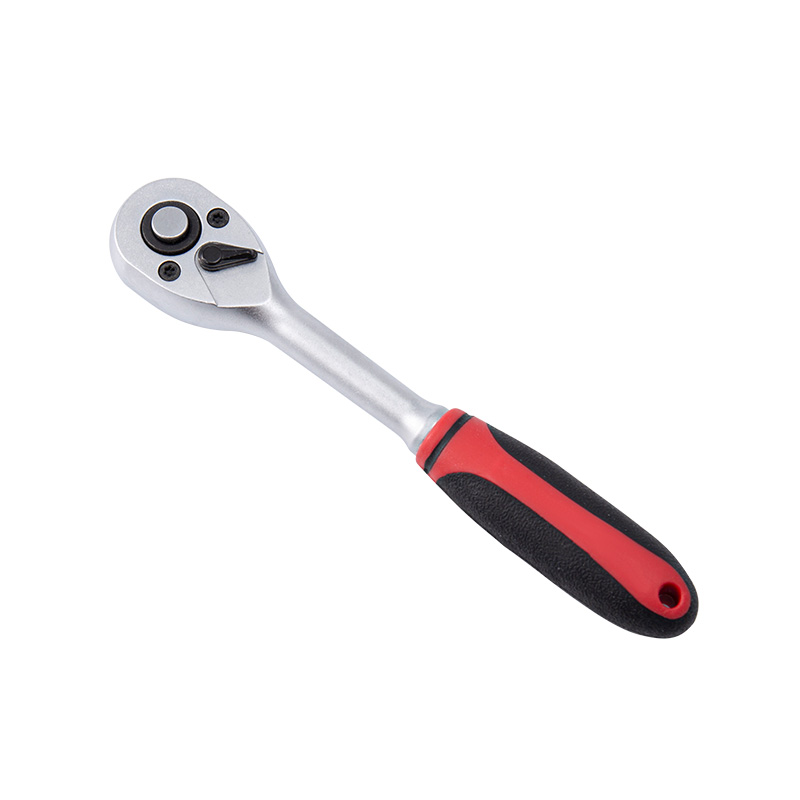
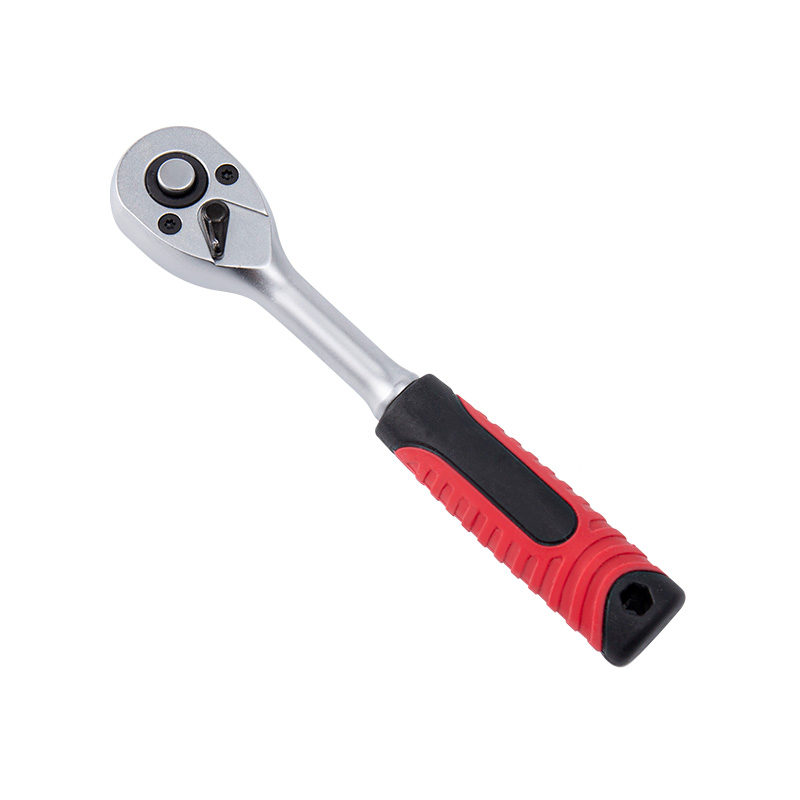
Choosing a good hand tool manufacturer involves a comprehensive evaluation of various factors to ensure that the tools you purchase are of high quality, reliable, and meet your specific requirements. Here are some steps and criteria to consider when selecting a good hand tool manufacturer:
1. Quality and Durability:
- Look for manufacturers that prioritize quality control in their production processes.
- Check for certifications, such as ISO 9001, which indicate a commitment to quality management systems.
2. Product Range:
- Consider the variety of tools offered by the manufacturer.
- Ensure they can supply the specific hand tools you need for your projects.
3. Material and Craftsmanship:
- Investigate the materials used in the construction of the hand tools.
- Look for tools made from durable materials like high-quality steel or other alloys.
4. Reputation and Experience:
- Research the manufacturer's history and reputation in the industry.
- Look for customer reviews and testimonials to gauge their reliability and the quality of their products.
5. Innovation and R&D:
- Check if the manufacturer is known for innovation and continuous research, and development.
- This can indicate a commitment to improving tool efficiency and performance.
6. Customization and Personalization:
- Some manufacturers offer customization options, which can be beneficial if you have specific needs.
- Look for manufacturers that can tailor their products to your requirements.
7. Warranty and After-Sales Service:
- A good warranty policy is a sign of confidence in the product's durability and quality.
- Ensure the manufacturer provides adequate after-sales service, including repairs and replacements.
8. Price and Value:
- Compare prices across different manufacturers while also considering the value you get for the price.
- Keep in mind that the option may not always be too good in terms of quality and longevity.
9. Sustainability and Environmental Impact:
- Evaluate the manufacturer's commitment to sustainability and eco-friendly practices.
- This can include the use of recycled materials, energy-efficient production processes, and waste reduction.
10. Supply Chain and Logistics:
- Consider the manufacturer's ability to deliver products on time and without delays.
- This is particularly important if you're running a business that relies on timely tool deliveries.
11. Regulatory Compliance:
- Ensure that the manufacturer complies with all relevant safety and industry standards.
- This can protect you from potential legal issues and ensure that the tools are safe to use.
12. Partnerships and Collaborations:
- Look into any partnerships or collaborations the manufacturer has with other reputable companies.
- This can be a sign of credibility and a commitment to industry good practices.
Copyright © Zhejiang Protec Hardware Co., Ltd.

Extension Bar Wholesale