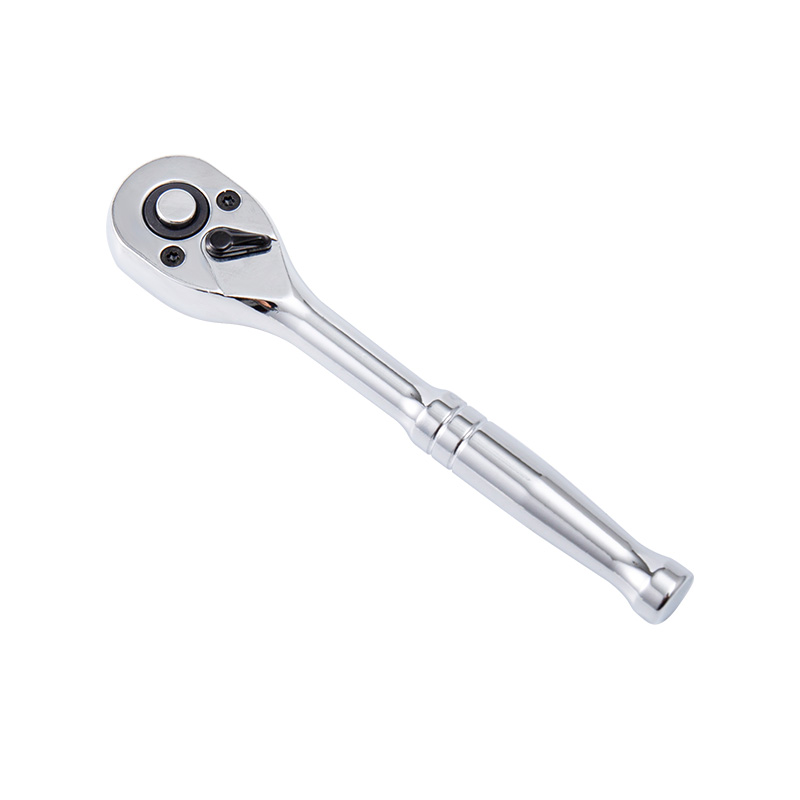
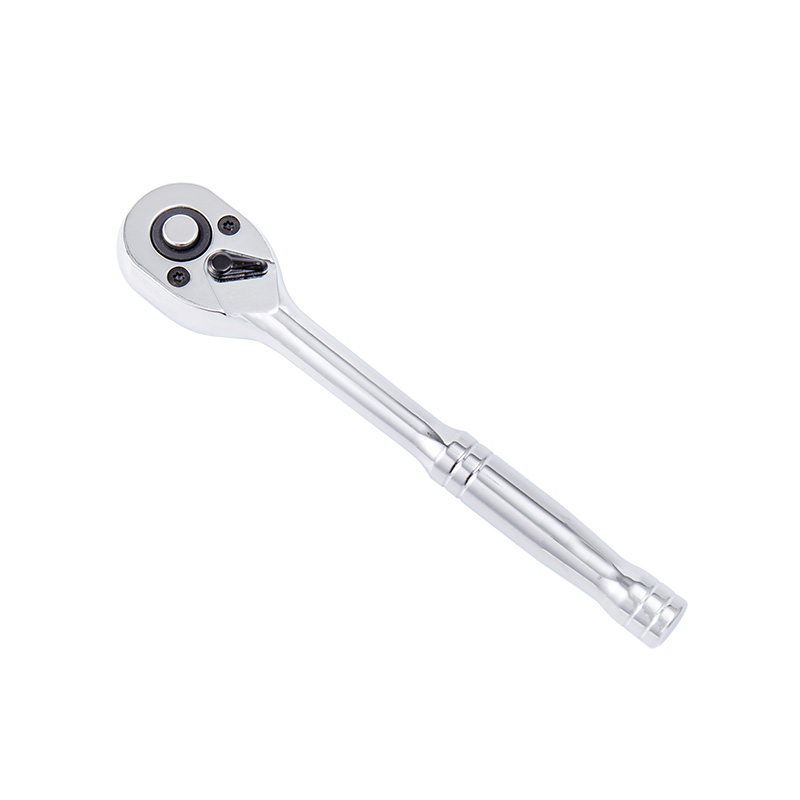
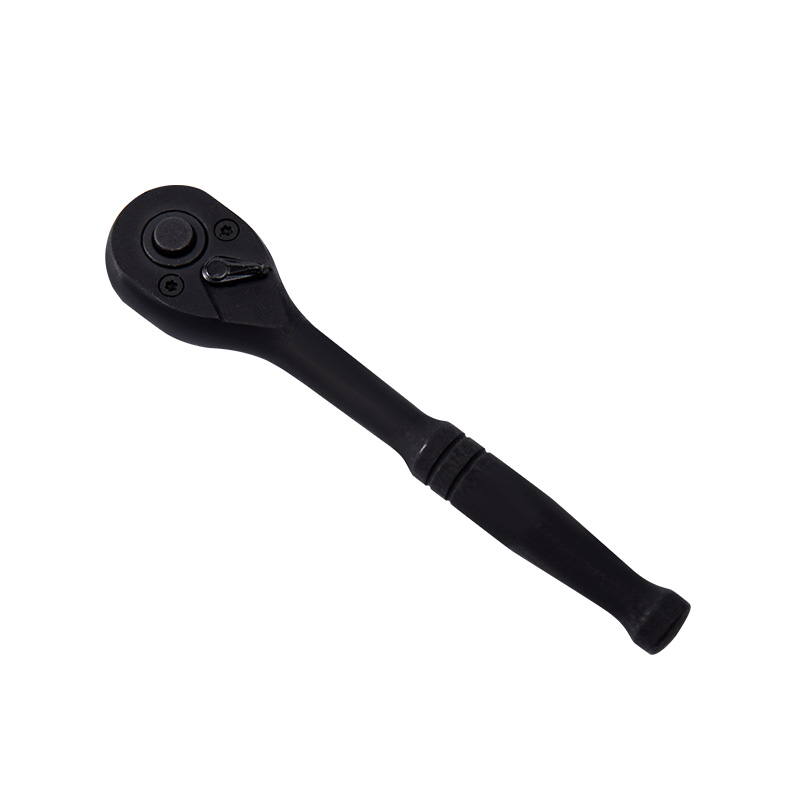
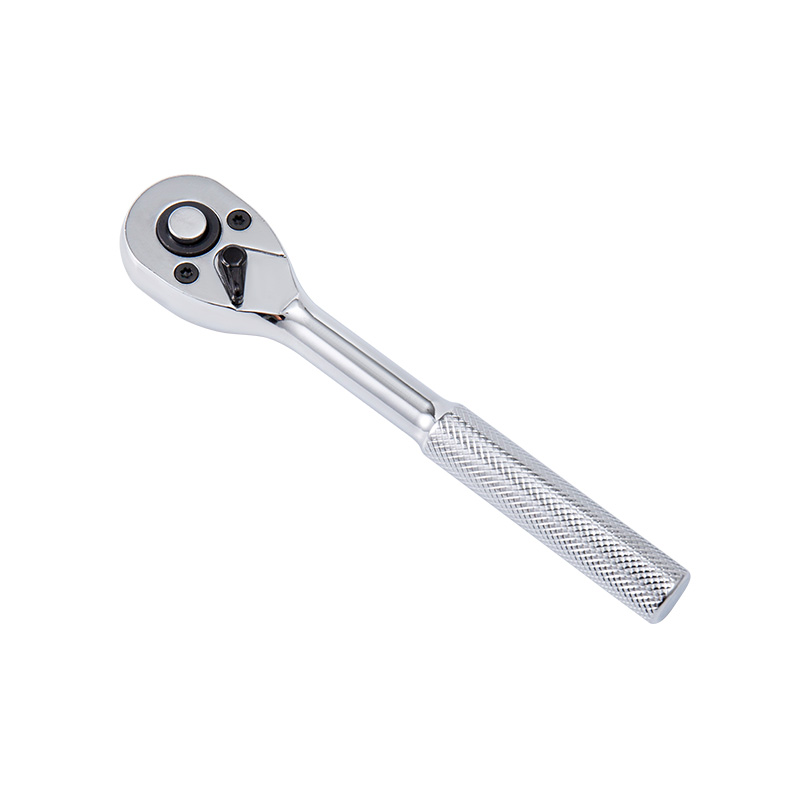
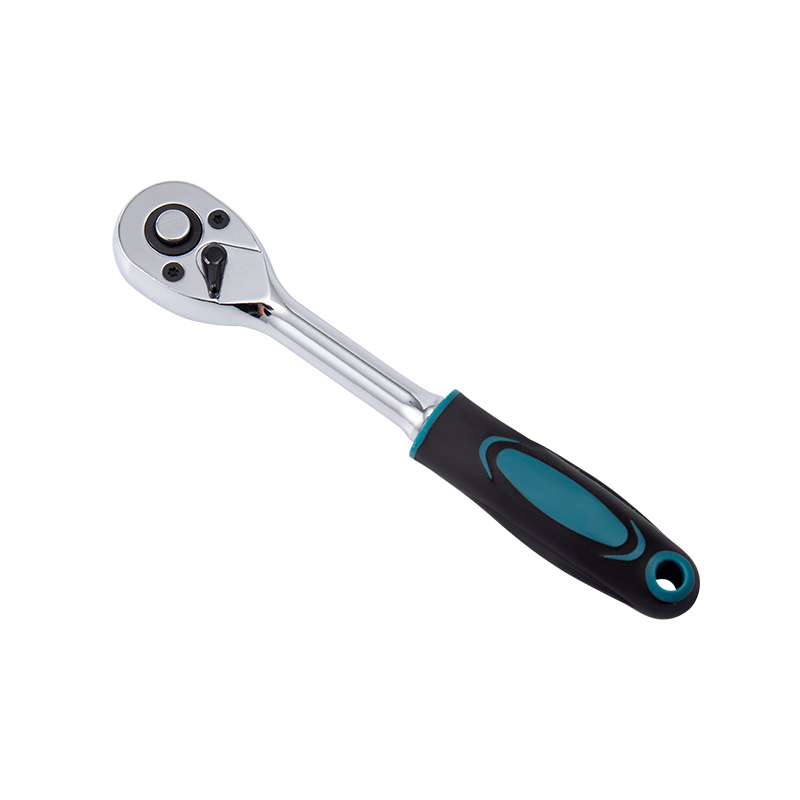
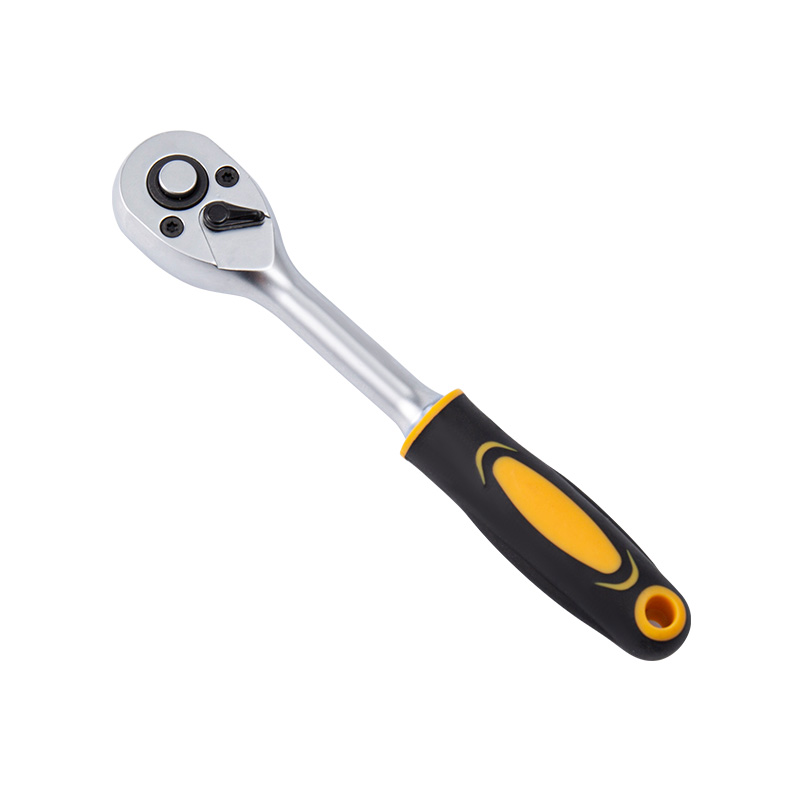
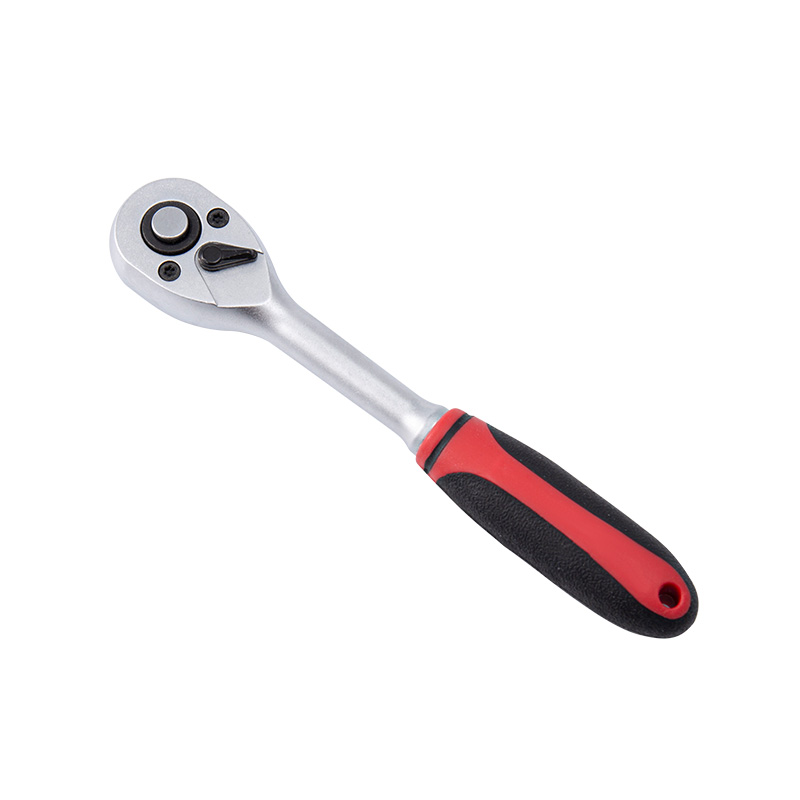
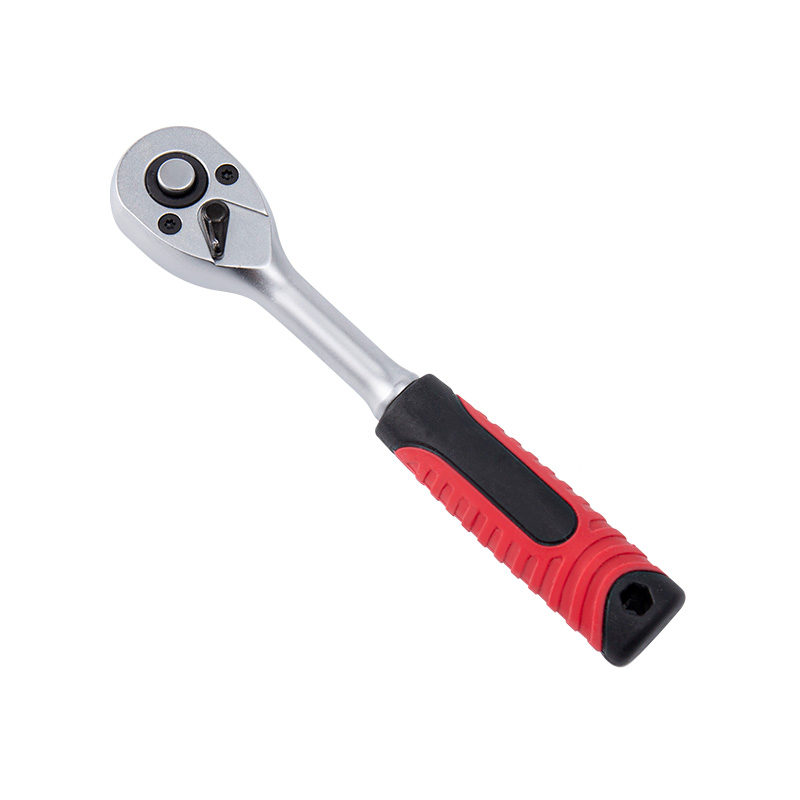
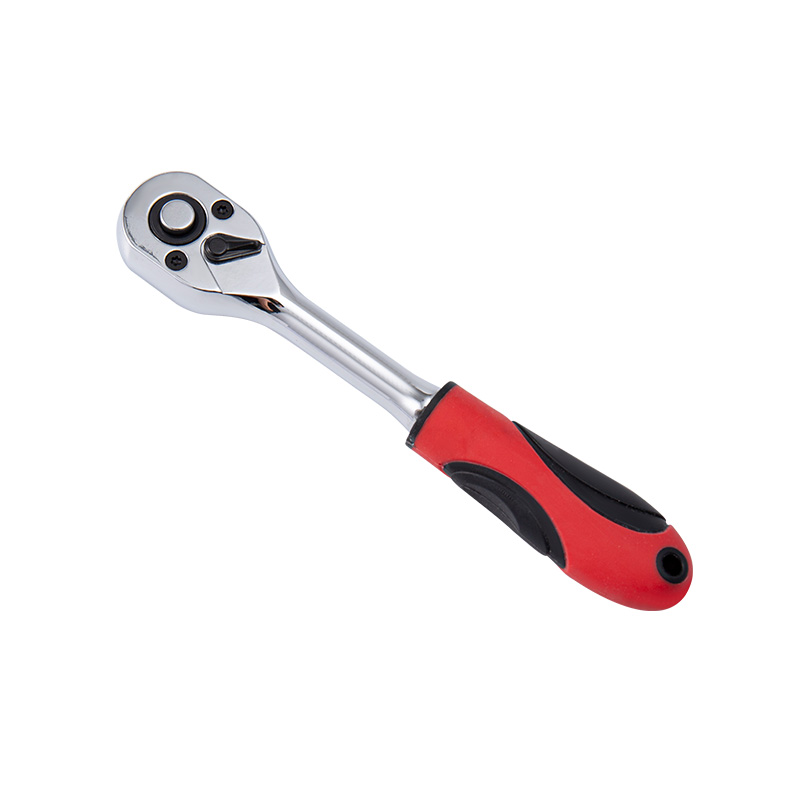
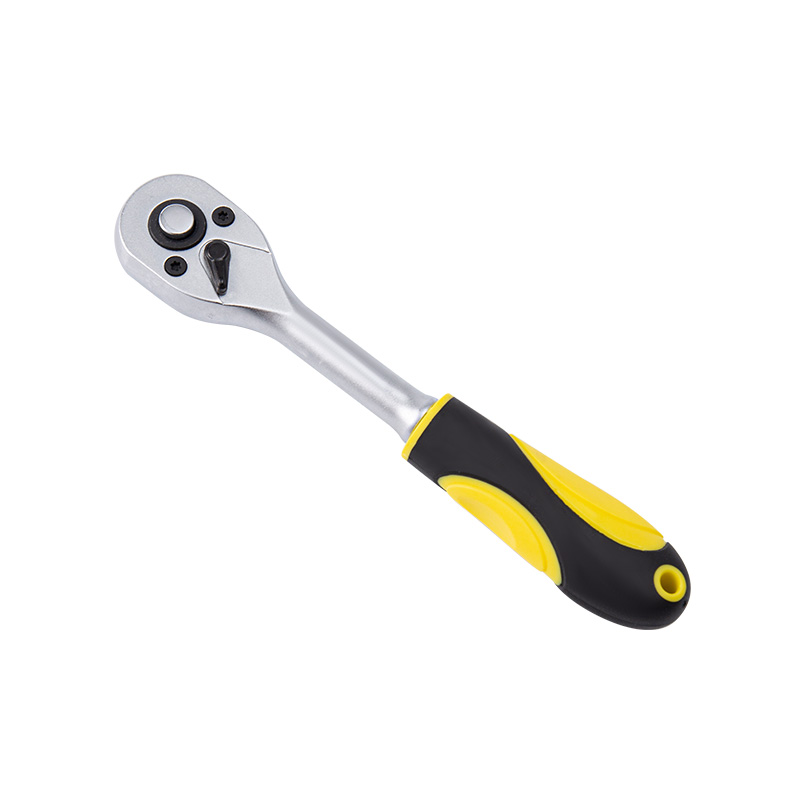
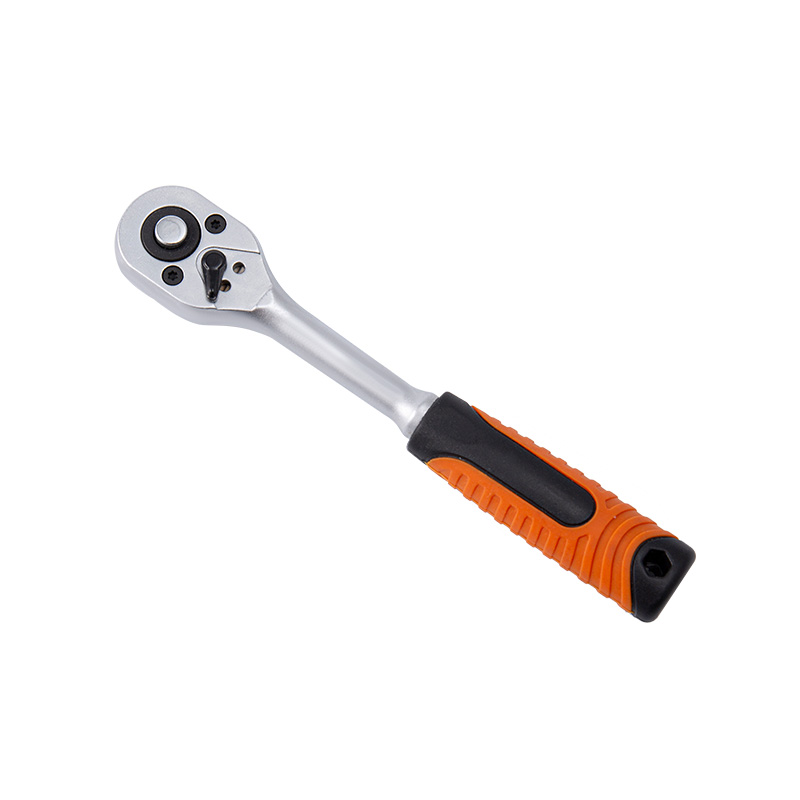
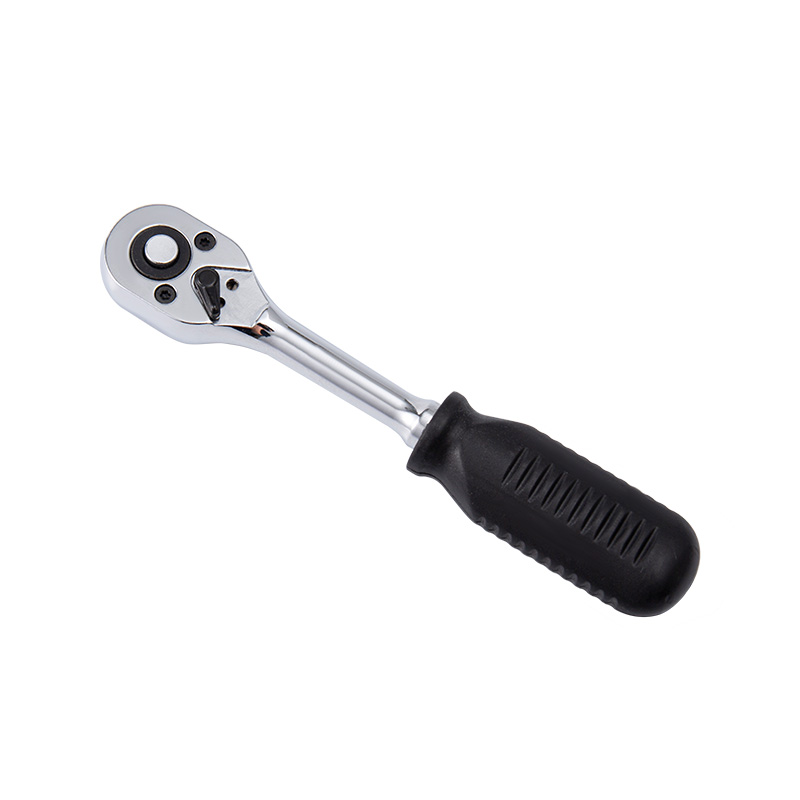
The manufacturing industry has various standards for socket wrenches, which are essential tools for tightening or loosening bolts and nuts. Here are some of the key standards that are commonly recognized:
1. American National Standards Institute (ANSI):
- ANSI is a private, non-profit organization that oversees the development of voluntary consensus standards for products, services, processes, systems, and personnel in the United States.
- For socket wrenches, ANSI has established standards such as ANSI B107.14 for metric sockets and ANSI B107.10 for inch-sized sockets.
2. International Organization for Standardization (ISO):
- The ISO is an independent, non-governmental international organization with a membership of 165 national standards bodies.
- ISO standards for sockets include ISO 3315 (metric) and ISO 1174 (inch), which define the sizes and tolerances for sockets.
3. DIN (Deutsches Institut für Normung e.V.):
- DIN is the German national organization for standardization and is one of the largest standards organizations in the world.
- DIN standards related to sockets include DIN 69, which covers metric hexagon sockets.
4. SAE (Society of Automotive Engineers):
- SAE International is a U.S.-based organization that develops standards for engineering and technology in the automotive, aerospace, and commercial-vehicle industries.
- SAE has standards for sockets, such as SAE J482, which covers various sizes and types of sockets.
5. ASME (American Society of Mechanical Engineers):
- ASME is an international organization that develops and publishes codes and standards associated with the art, science, and practice of mechanical engineering.
- ASME B107.9 covers inch-series hexagonal and 12-point sockets.
6. ASTM International (formerly American Society for Testing and Materials):
- ASTM International is a globally recognized in the development and delivery of international voluntary consensus standards.
- ASTM standards that are relevant to socket wrenches include ASTM A574, which specifies requirements for carbon steel hexagon and spline drive sockets.
These standards typically cover aspects such as:
- Socket Sizes: The dimensions and tolerances for the sockets.
- Material Specifications: The types of materials used for manufacturing sockets, such as carbon steel, alloy steel, or chrome vanadium steel.
- Strength and Durability: The strength and durability requirements for sockets.
- Drive Types: Standards for different types of drive systems, such as 6-point, 12-point, or spline drives.
Adherence to these standards ensures that socket wrenches are compatible, safe, and reliable, enabling them to be used across a wide range of industries and applications. Manufacturers, suppliers, and users of socket wrenches need to be aware of these standards to ensure compatibility and compliance with industry good practices.
Copyright © Zhejiang Protec Hardware Co., Ltd.

Extension Bar Wholesale