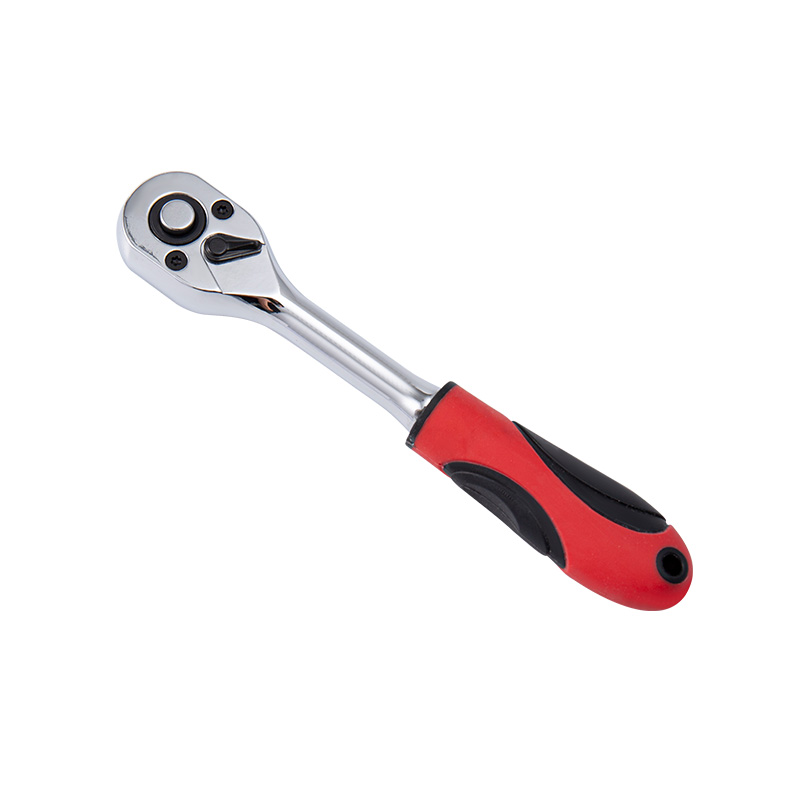
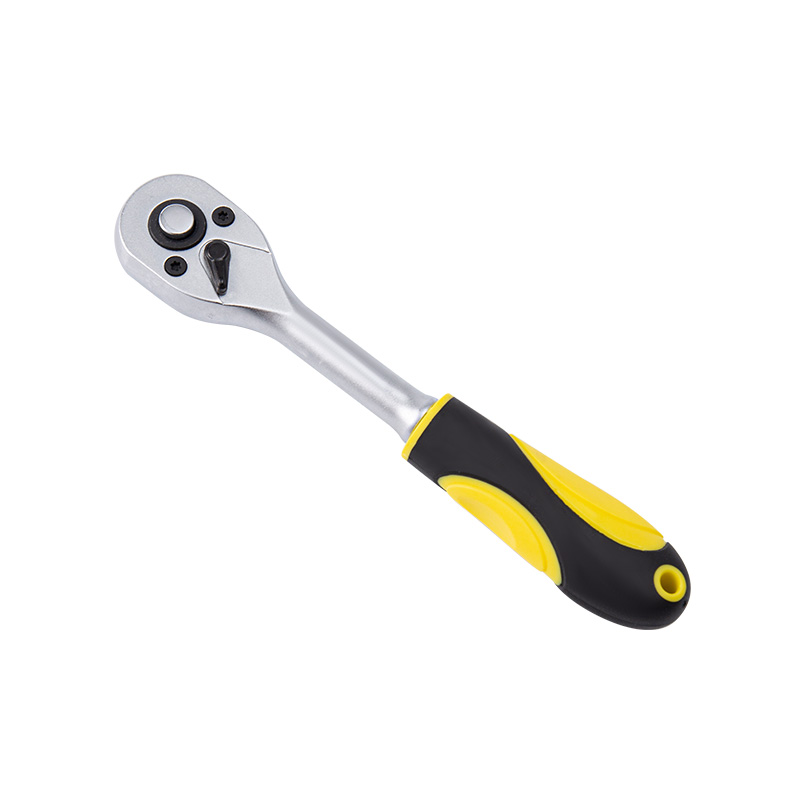
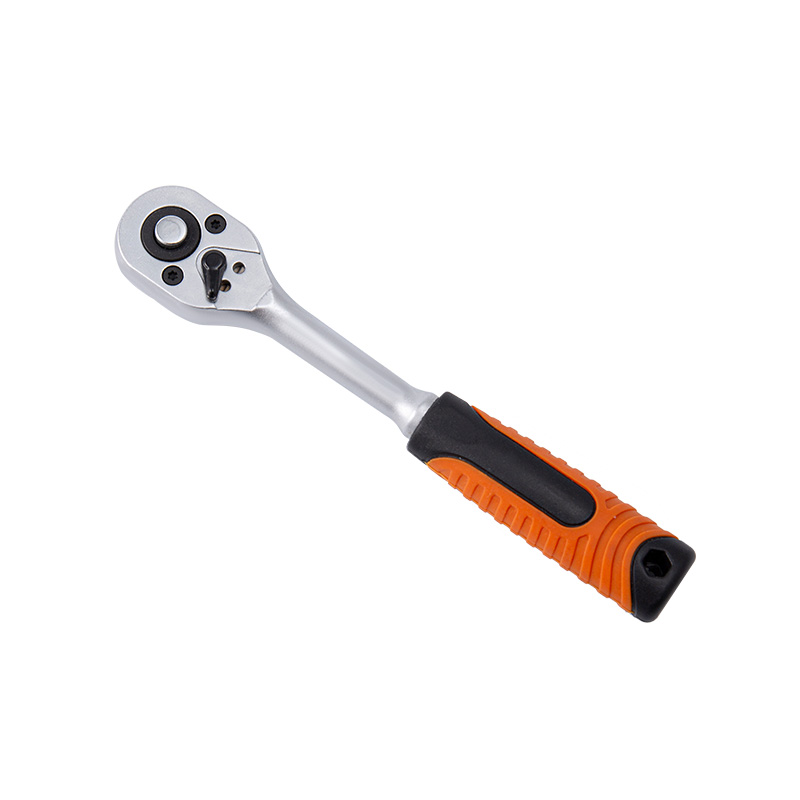
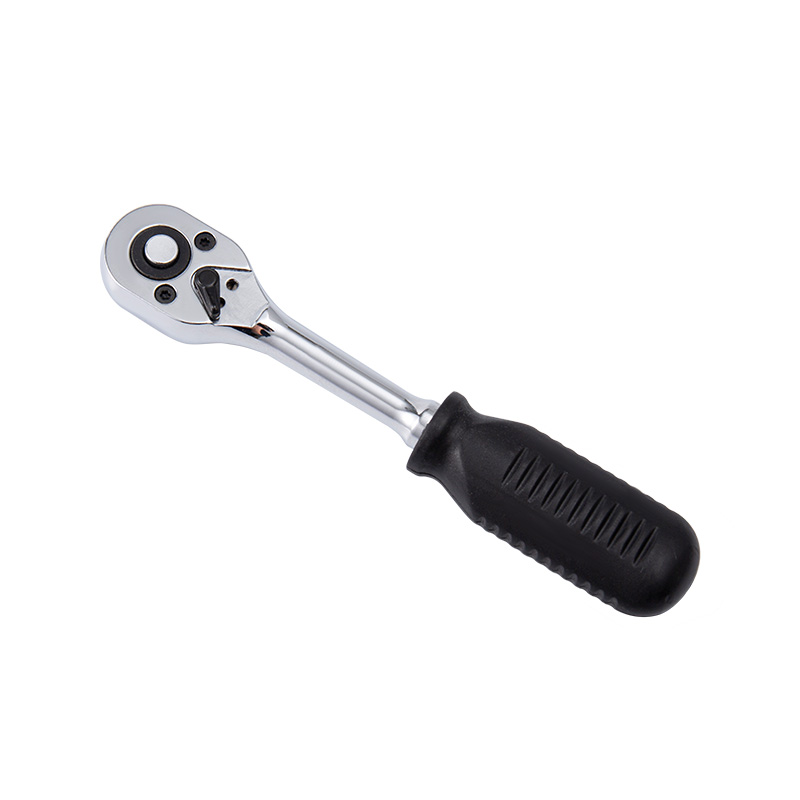
When choosing a hand tool manufacturer, it's essential to consider several factors to ensure you're getting the good value and quality for your investment. Here's what you should focus on:
1. Quality and Craftsmanship:
- Ensure the manufacturer has a reputation for producing high-quality tools.
- Look for tools made from durable materials that can withstand wear and tear.
2. Product Range:
- Choose a manufacturer that offers a comprehensive range of hand tools to meet your specific needs.
- Variety is important, but specialization in certain tools can also be an advantage.
3. Reliability and Consistency:
- The manufacturer should have a consistent record of delivering reliable products.
- Check for any history of product recalls or major quality issues.
4. Customization and Flexibility:
- Some manufacturers may offer customization options for specific tool requirements.
- Consider whether the manufacturer can adapt to your unique needs or specifications.
5. Certifications and Standards:
- Look for certifications like ISO 9001, which indicates adherence to quality management standards.
- Check if the tools comply with safety standards and regulations in your industry or region.
6. Innovation and Technology:
- A good manufacturer stays up-to-date with the latest technology and innovation in tool design.
- They should be able to incorporate new materials, ergonomics, and functionality into their products.
7. Price and Value:
- Compare the cost of tools with their quality and performance.
- Look for manufacturers that offer competitive pricing without compromising on quality.
8. Customer Service and Support:
- A good manufacturer should provide good customer service and after-sales support.
- Consider the availability of warranties, replacement parts, and technical support.
9. Brand Reputation:
- Research the manufacturer's reputation in the industry.
- Look for reviews and testimonials from other customers to gauge their satisfaction.
10. Sustainability and Ethical Practices:
- Consider the manufacturer's environmental impact and ethical practices.
- Some manufacturers may prioritize sustainable production methods and fair labor practices.
11. Availability and Logistics:
- Consider the manufacturer's location and how it affects delivery times and costs.
- Evaluate their supply chain and distribution network to ensure timely delivery.
12. Testing and Certification:
- Check if the tools have been tested for performance and safety by independent organizations.
- Look for certifications that prove the tool's performance meets industry standards.
By considering these factors, you can make an informed decision when choosing a hand tool manufacturer that aligns with your business needs and ensures you get the good tools for the job.
Copyright © Zhejiang Protec Hardware Co., Ltd.

Extension Bar Wholesale