

 En
En English
 简体中文
简体中文

Industry News
2026-01-09
Why Choose Ratchet Handle With Various Tooth Type For Mechanics?
For mechanics and workshop professionals, having the right tools can simplify daily tasks and improve efficiency. Tools such as Ratchet Handle With Various Tooth Type and Extension Bar Wholesale options are essential components in a mechanic’s toolkit, offering practical solutions for working in confined spaces or handling fasteners of different sizes. Understanding how these tools function and how to select them can help professionals make more informed decisions when organizing their workshop or purchasing new equipment.
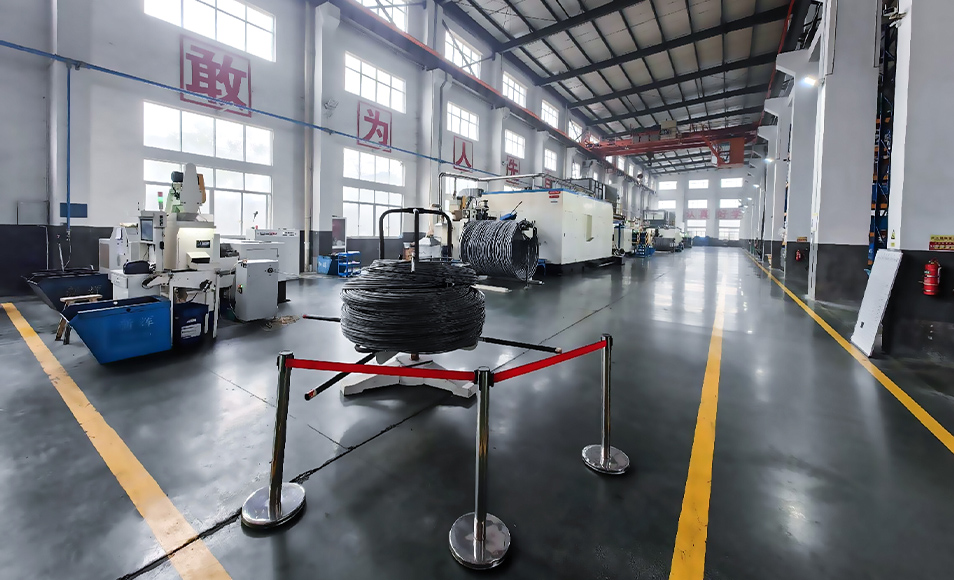
How Ratchet Handles Adapt to Different Tasks
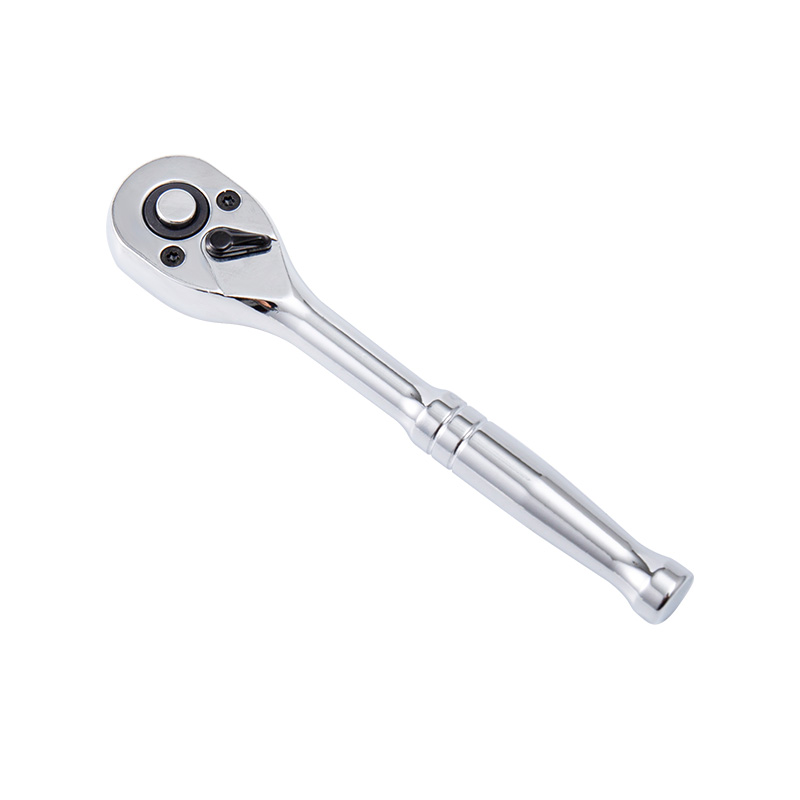
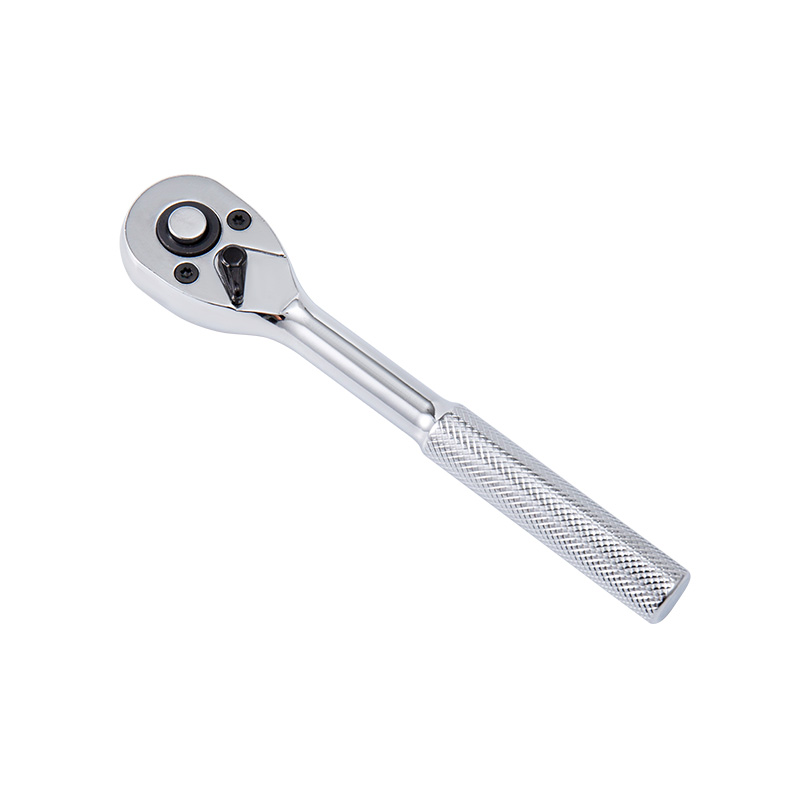
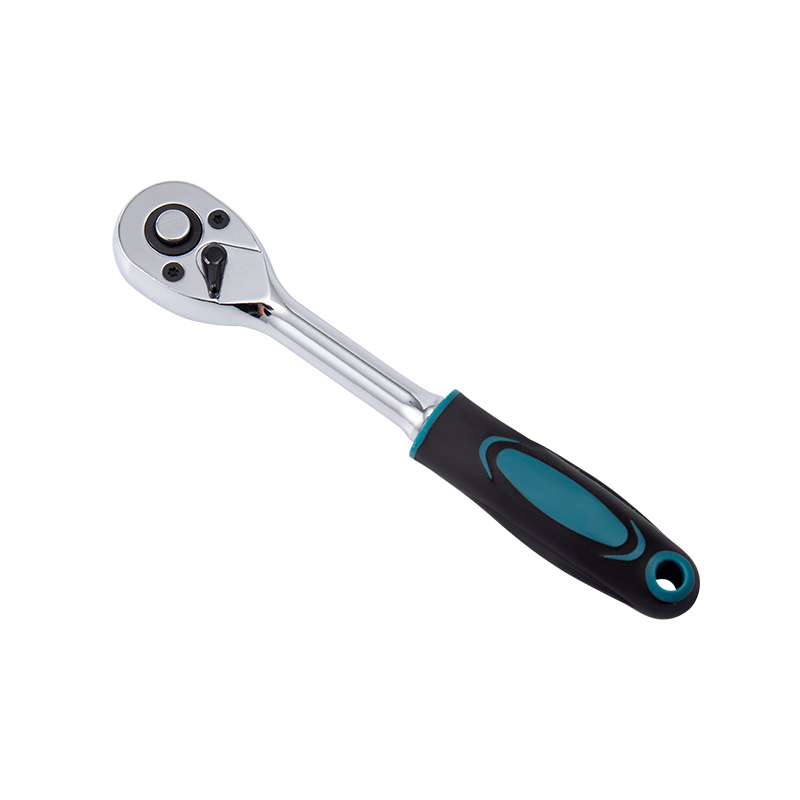
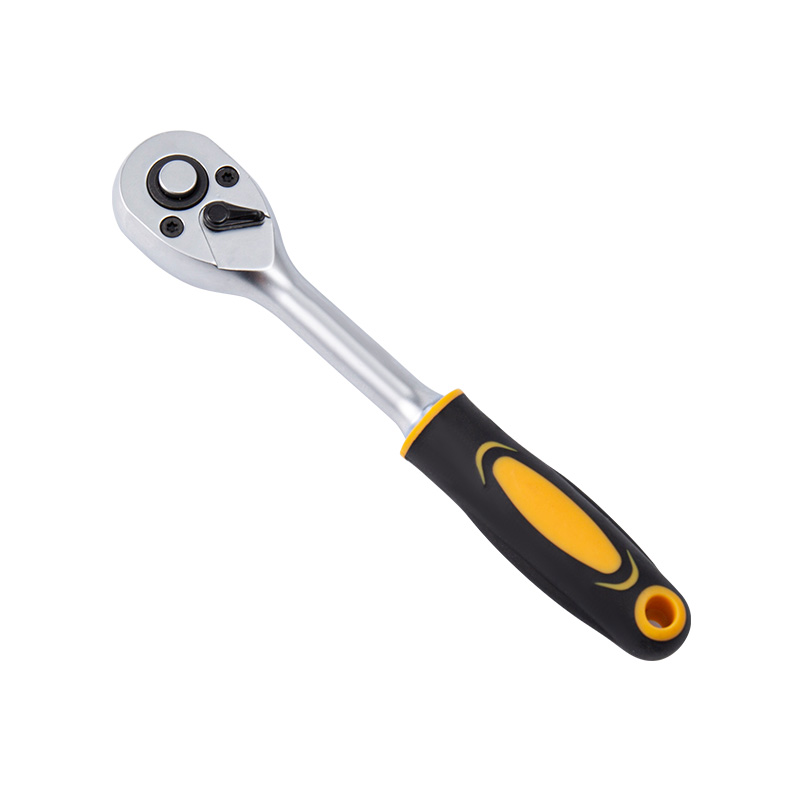
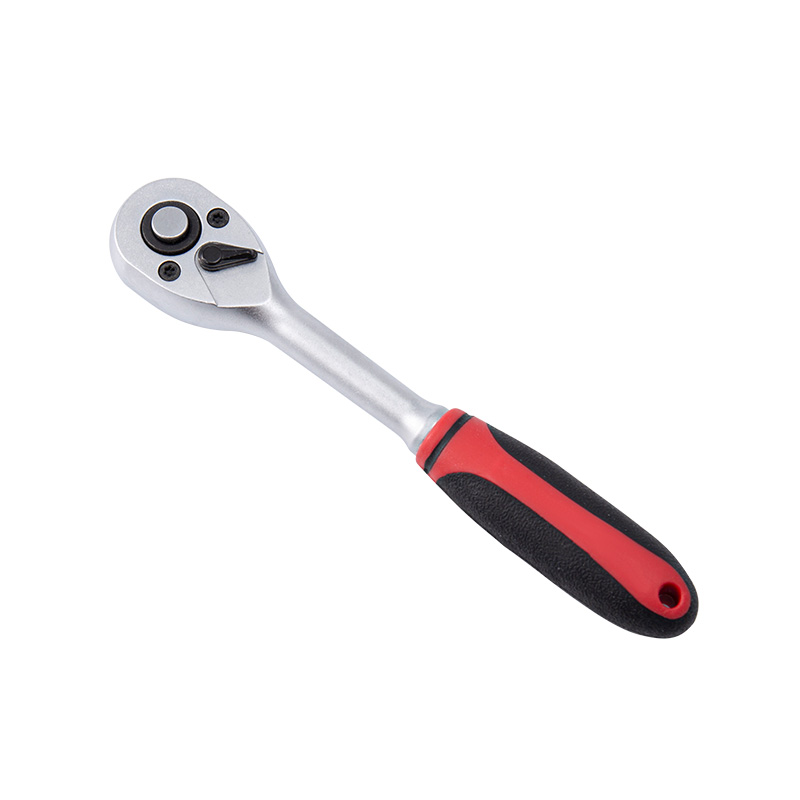
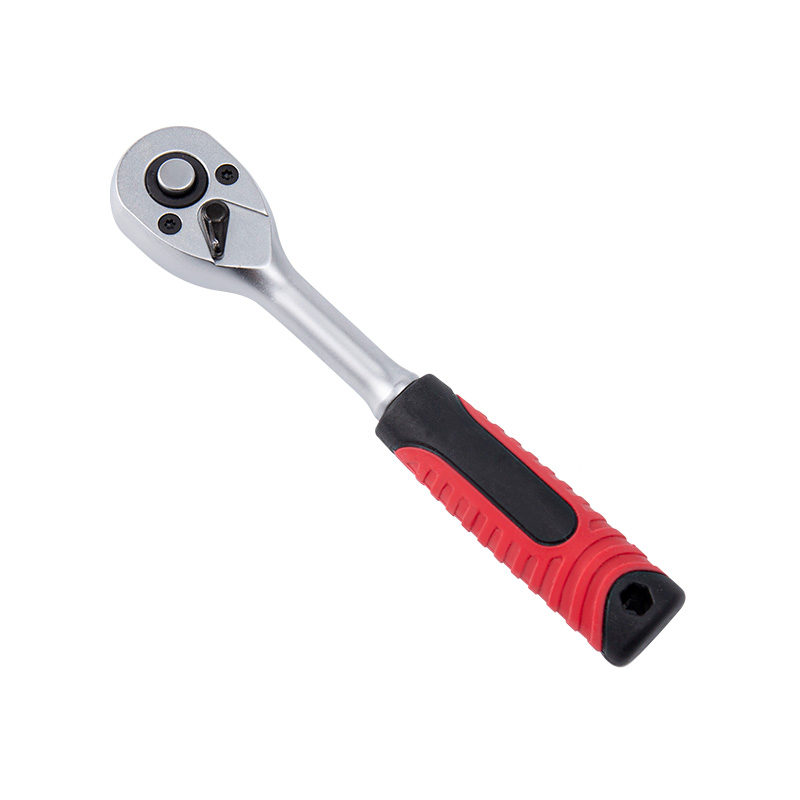
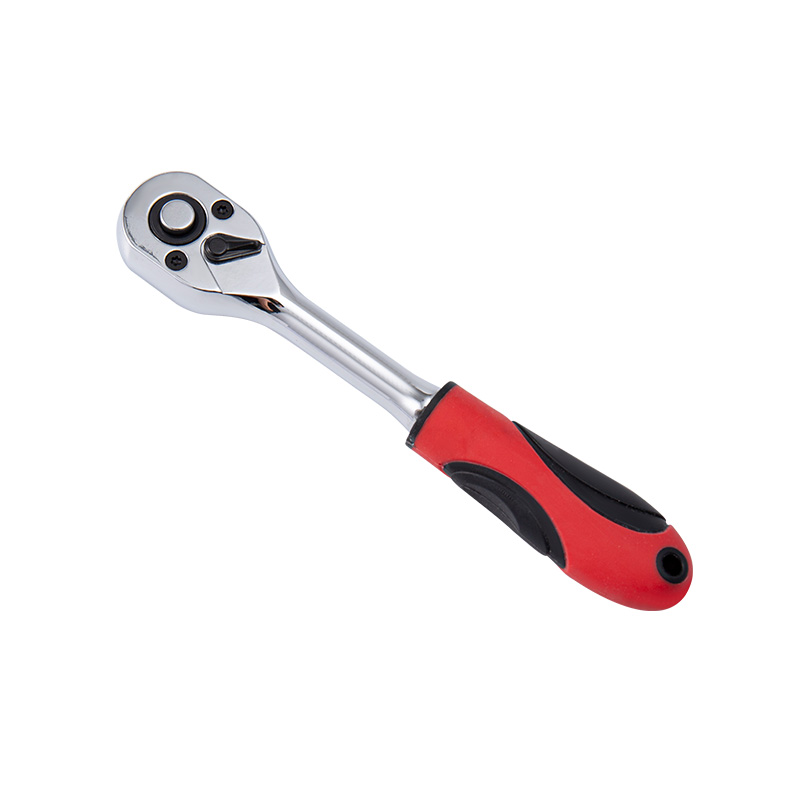
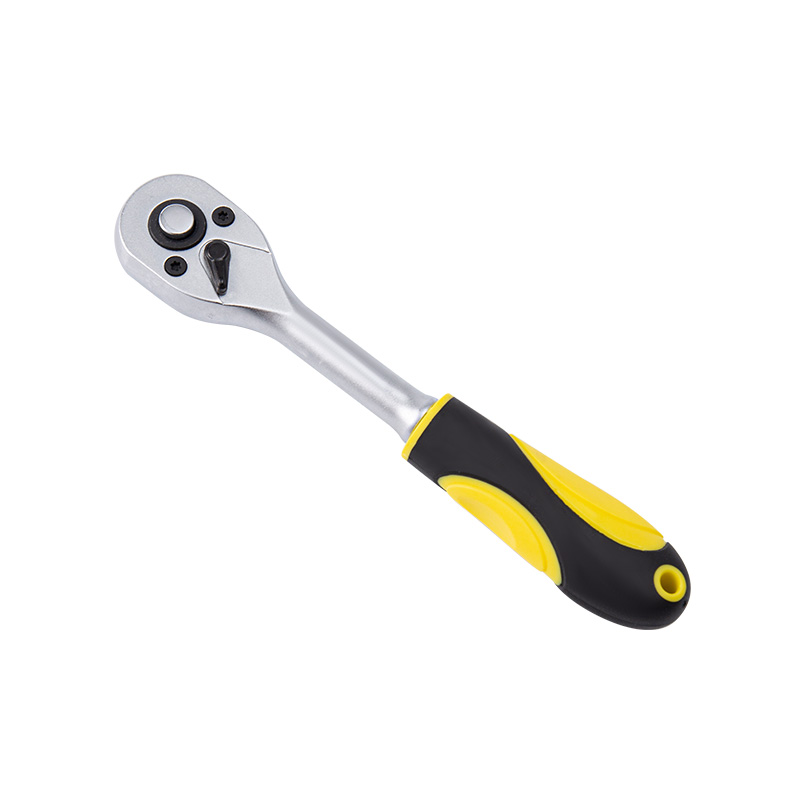
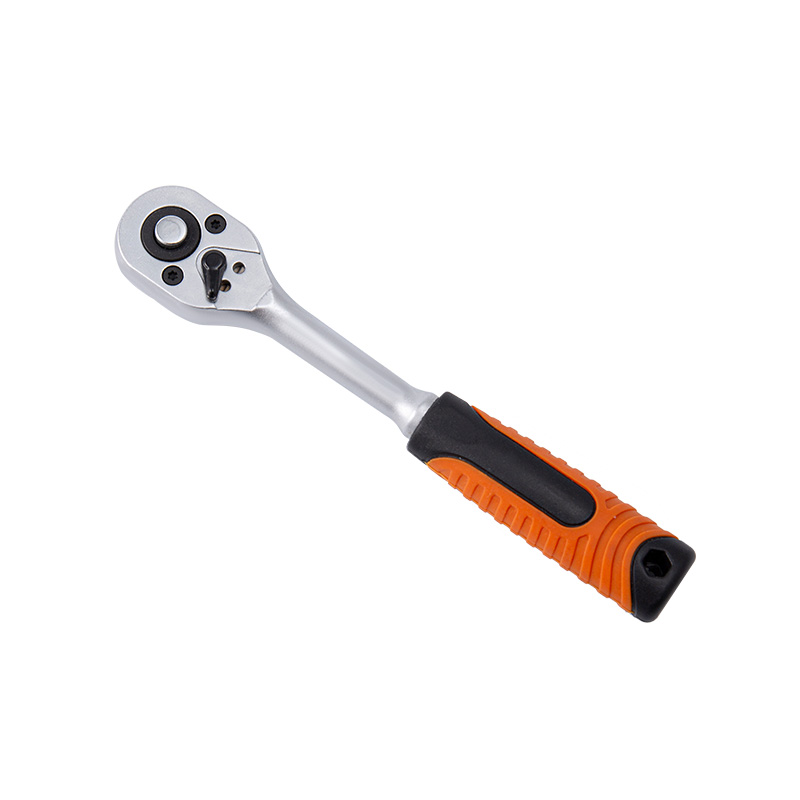
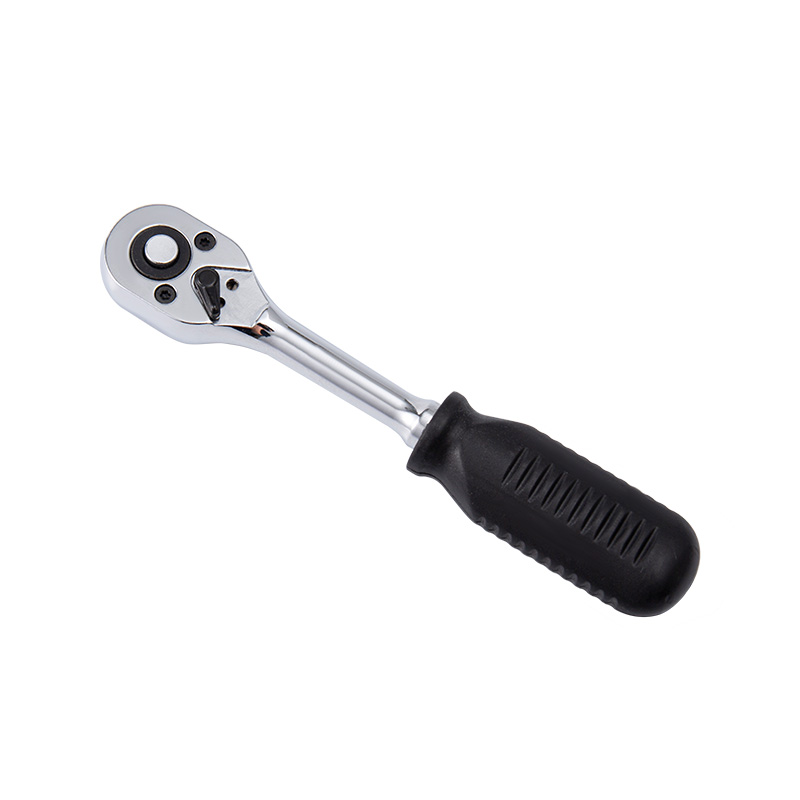
Ratchet handles with various tooth types are designed to provide flexibility for diverse mechanical applications. The different tooth configurations allow the user to control the turning angle more precisely, which is useful when working in tight spaces where a traditional wrench would be cumbersome. Fine-tooth designs, for example, require less handle movement per click, enabling adjustments in areas with limited clearance. Coarser tooth designs, on the other hand, are suitable for faster rotation where space is less of a concern.
The gear mechanism inside the ratchet handle is crafted to maintain consistent engagement with the socket. This setup allows the handle to move back and forth freely while the fastener continues to turn in one direction, reducing interruptions during repetitive tasks. For mechanics handling multiple types of fasteners, a ratchet handle with selectable tooth types can make workflow smoother without the need for frequent tool swaps.
Practical Use of Extension Bars
Extension bars complement ratchet handles by extending reach into recessed or difficult-to-access areas. Purchasing from Extension Bar Wholesale sources often provides a variety of lengths, enabling mechanics to select the appropriate size for a specific job. These bars can be attached securely to the ratchet, transmitting torque effectively while maintaining stability.
Using an extension bar with the correct length also helps maintain better hand positioning, reducing the strain that might occur when working in awkward angles. For workshop setups, having a range of extension bars readily available can save time and reduce the likelihood of tool improvisation, which can sometimes compromise precision or safety.
Ergonomics and Handling Considerations
Mechanics often work long hours with repetitive motions, making ergonomics a critical factor. Ratchet handles are generally designed to provide a comfortable grip while maintaining sufficient control over torque application. Handles made from non-slip materials help maintain a secure hold even in oily or damp conditions. Balanced weight distribution and moderate handle length contribute to easier maneuverability, allowing the user to operate the tool steadily without excessive effort.
Additionally, smooth ratchet action supports continuous work without frequent repositioning. While different tooth types affect the swing arc, the overall design of the ratchet ensures that users can complete tightening or loosening tasks with consistent force and control. This combination of mechanical function and user-friendly design supports efficiency in workshop routines.
Versatility and Compatibility in a Workshop
Ratchet handles and extension bars are versatile tools that work with a wide range of socket sizes and accessory types. Different drive sizes, such as 1/4-inch, 3/8-inch, and 1/2-inch, accommodate light, medium, and heavy-duty fasteners. Some ratchets include a quick-release mechanism for sockets, which simplifies the process of changing attachments during multi-step projects. Extension bars also typically feature standard connection points, allowing them to integrate seamlessly with existing ratchets and sockets.
Having a selection of ratchet handles with various tooth types and extension bars ensures that a mechanic can handle tasks from compact engine compartments to larger assemblies. This compatibility reduces the need to purchase multiple tools for different tasks, supporting an organized and practical workshop environment.
Construction Quality and Longevity
The materials used in ratchet handles and extension bars are significant factors in their durability. High-strength alloys such as chrome vanadium steel are commonly used to withstand repeated torque applications without deformation. Chrome plating or similar finishes provide resistance against rust and corrosion, which is particularly important for tools used in workshops exposed to moisture or chemicals. Reliable construction allows these tools to maintain functionality over time, even with regular use.
Mechanics can also consider factors such as the ratchet’s gear engagement and extension bar attachment stability. Tools designed with consistent tolerances reduce the likelihood of slippage and ensure smooth operation across different applications.
Related Products


Copyright © Zhejiang Protec Hardware Co., Ltd.

Extension Bar Wholesale