

 En
En English
 简体中文
简体中文

Industry News
2026-01-02
What Makes Automotive Repair Socket Handy During Car Maintenance?
Working on vehicles involves dealing with a wide range of fasteners, including bolts, nuts, and screws of varying sizes and types. Various sizes available bit adapters and automotive repair sockets are common tools in these situations, helping users handle multiple fasteners without constantly changing tools. Understanding how to use them effectively, along with proper organization and maintenance, can make car maintenance tasks smoother, save time, and reduce potential frustration.
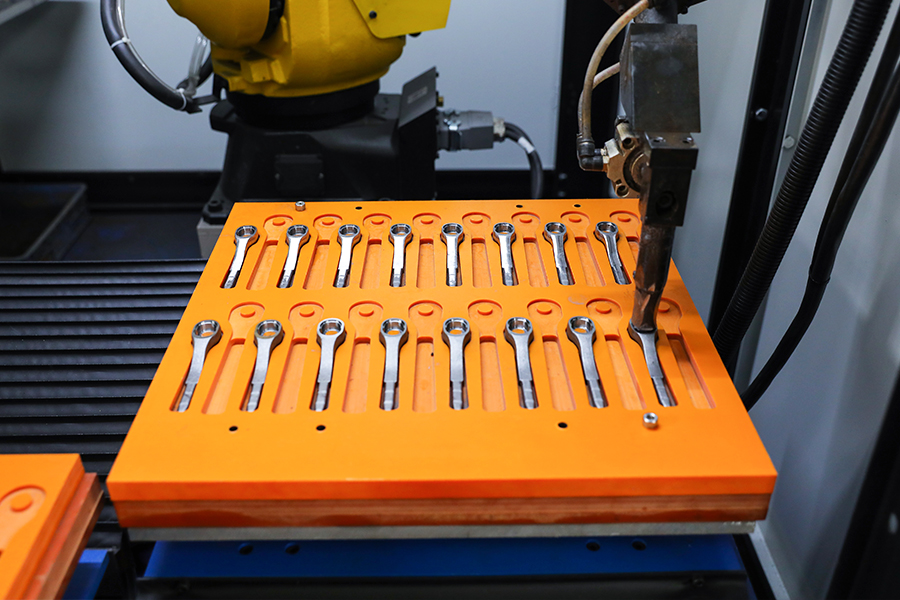
Versatility Across Fastener Types
Automotive repair sockets are designed to accommodate a range of fastener sizes, from small screws on interior panels to larger bolts in engine or suspension components. Pairing these sockets with various sizes available bit adapters allows users to work with different fastener head types, such as Phillips, slotted, hex, Torx, and square. Choosing the correct tip for the fastener ensures a secure connection, reduces slipping, and helps prevent damage to the fastener head, which is especially important when working with aluminum or softer metal fasteners.
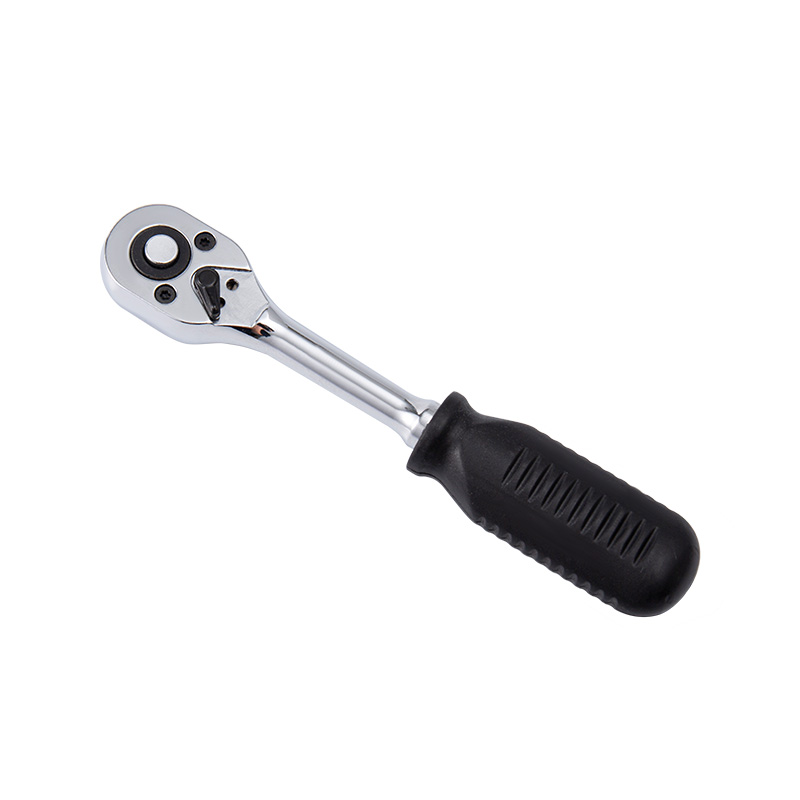
Drive size selection is also important. Common drive sizes such as 1/4-inch, 3/8-inch, and 1/2-inch determine compatibility with ratchets, extensions, and handles. Selecting a drive that fits the adapter and socket combination provides stable rotation and consistent control during fastening tasks. This combination makes it easier to work in both open and tight spaces without having to switch multiple tools frequently.
Adapting to Fastener Depth and Position
Fasteners in vehicles are not always easily accessible. Some bolts are recessed or located in confined areas, such as behind engine components or inside door panels. Longer bolts or deeply set fasteners may require deep sockets or extended bit adapters to reach them effectively. Standard-length sockets are suitable for many general applications, but having a range of lengths ensures that users can handle any situation encountered during car maintenance.
Interchangeable adapters offer further flexibility. Users can switch tips on the same adapter to match different fastener types without changing the whole tool, which saves time and reduces the need to carry numerous individual adapters. This is particularly useful in tasks that involve both small interior screws and larger engine bolts in the same project.
Techniques for Stable Handling and Control
Maintaining proper alignment between the adapter, socket, and fastener is essential for safe and efficient operation. Misalignment can result in slipping, which may damage fasteners or slow down the task. Magnetic adapters or locking adapters can hold screws securely during operation, which is useful in tight spaces, overhead positions, or when working at awkward angles.
Applying steady pressure and maintaining a firm grip improves control and consistency. For tasks requiring higher torque, pairing the adapter with an appropriately sized socket ensures smoother engagement and less strain on the fastener. Ensuring that the adapter tip is fully seated in the fastener before applying force reduces the chance of slippage, making the process more efficient and predictable.
Organizing Adapters and Sockets for Efficiency
Keeping bit adapters and sockets organized enhances workflow and reduces time spent searching for the correct tool. Labeled trays, compartmentalized toolboxes, or portable organizers allow quick identification of the right adapter-socket combination. For tasks that require frequent switching between fastener types, grouping commonly used adapters and sockets together can save time and reduce interruptions.
For larger maintenance projects, organizing tools by size, drive type, or tip type allows users to locate items quickly. Portable organizers are also helpful when tools need to be moved between the garage and the vehicle, ensuring that essential adapters and sockets remain accessible throughout the task.
Inspection and Maintenance Practices
Regular inspection of adapters and sockets ensures consistent performance. Check for worn tips, loose connections, or debris that could interfere with tool engagement. Cleaning tools after use, removing dirt, metal shavings, or corrosion, and lightly oiling connection points helps maintain a secure fit with fasteners. While normal wear is unavoidable, attentive maintenance ensures that tools remain functional and safe for repeated use.
Practical Considerations for Car Maintenance
Understanding the limits of each adapter and socket combination is important. Using worn or slightly undersized adapters can place stress on both fasteners and tools. Having a set of various sizes available bit adapters and sockets allows users to handle multiple fasteners efficiently, without excessive switching or improvisation. Over time, becoming familiar with adapter sizes and the corresponding fasteners improves workflow, reduces errors, and allows tasks to be completed more smoothly.
Related Products


Copyright © Zhejiang Protec Hardware Co., Ltd.

Extension Bar Wholesale