

 En
En English
 简体中文
简体中文

Industry News
2026-03-25
Why Use Universal Joint Socket For Angular Fastening Tasks?
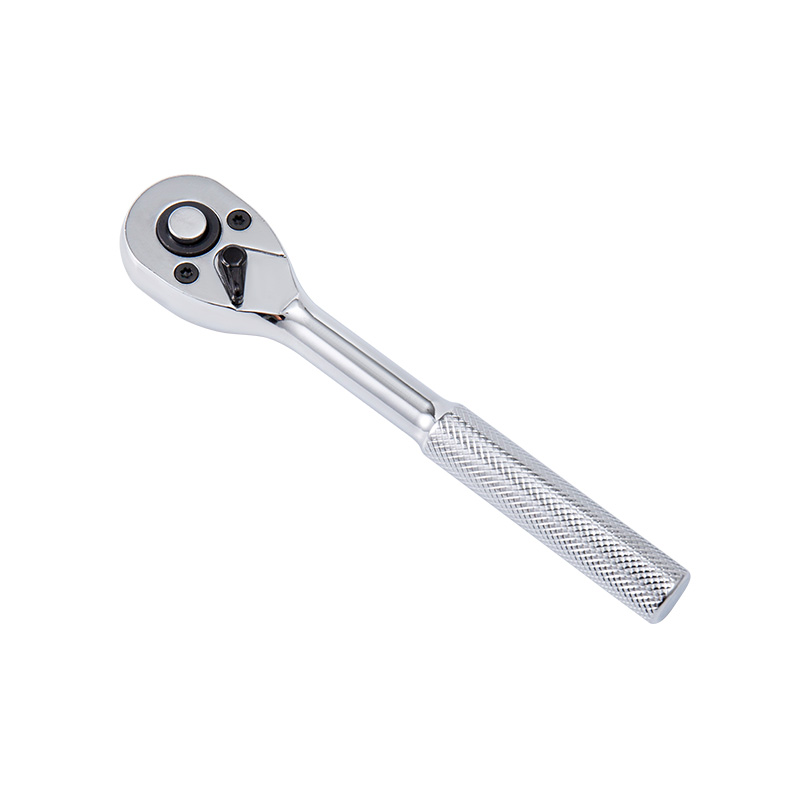
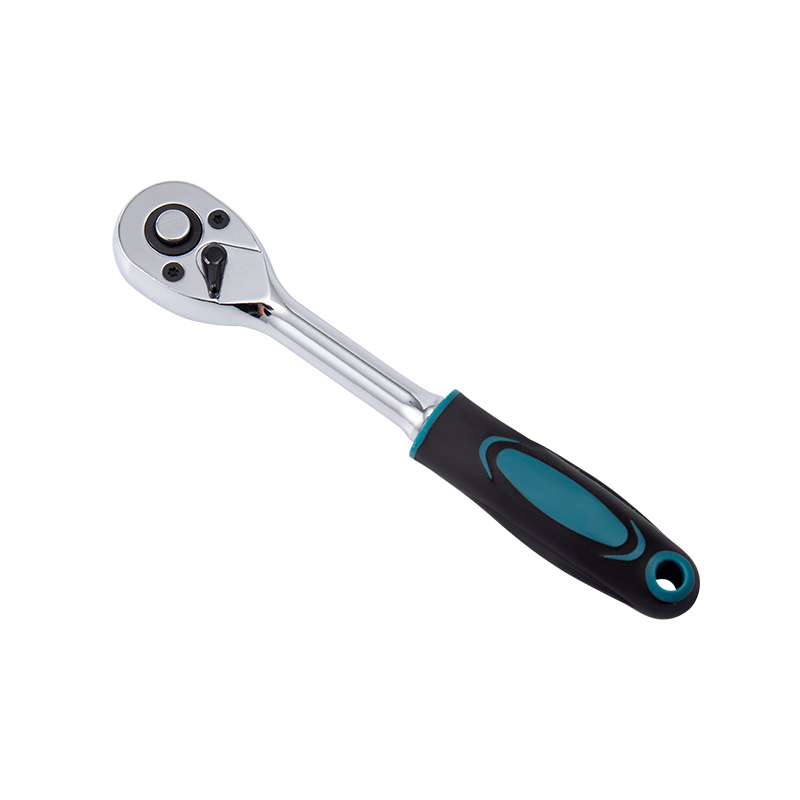
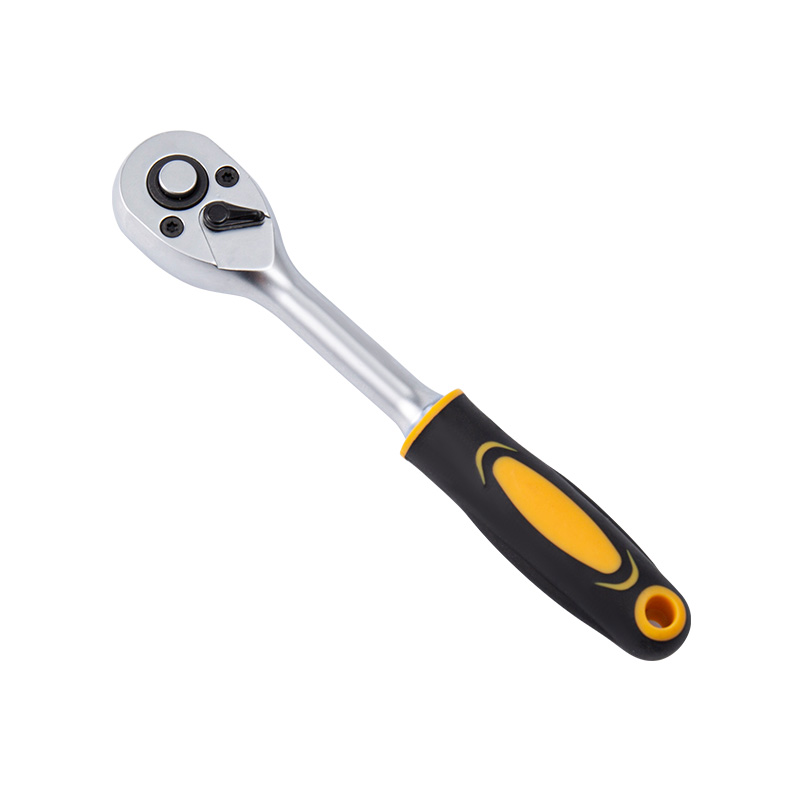
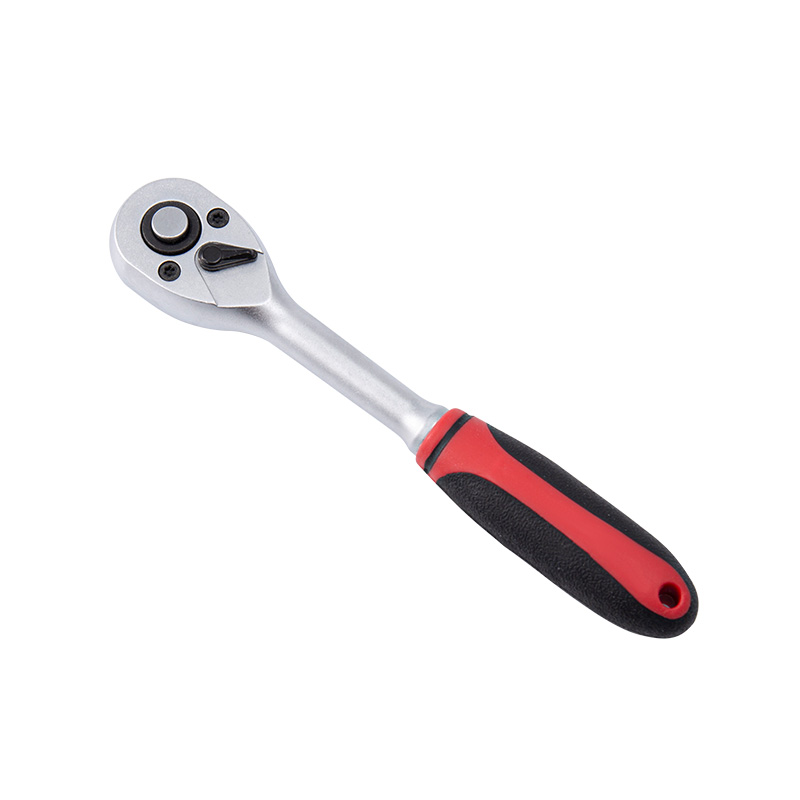
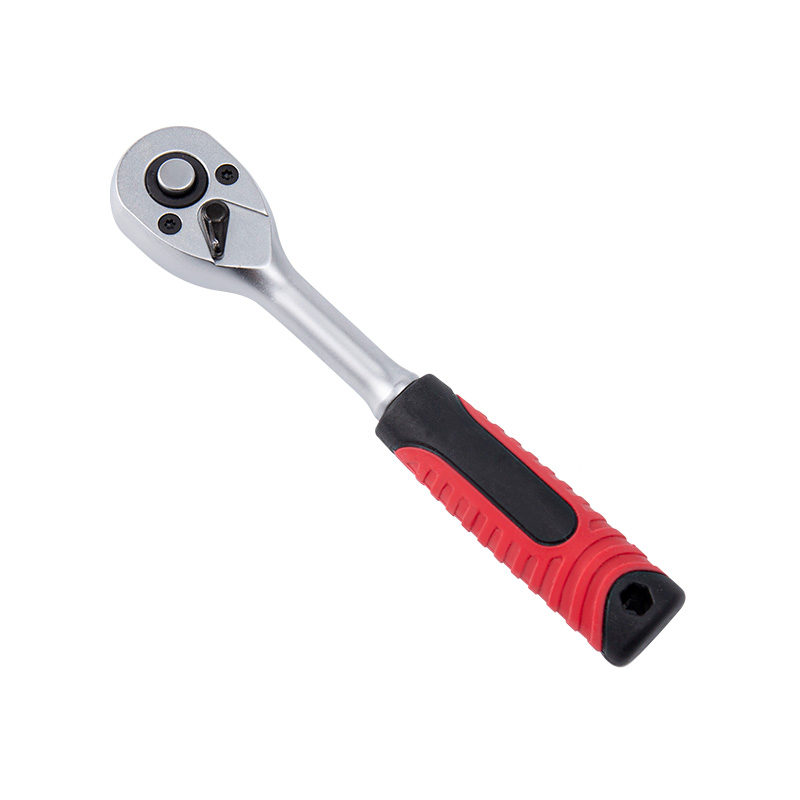
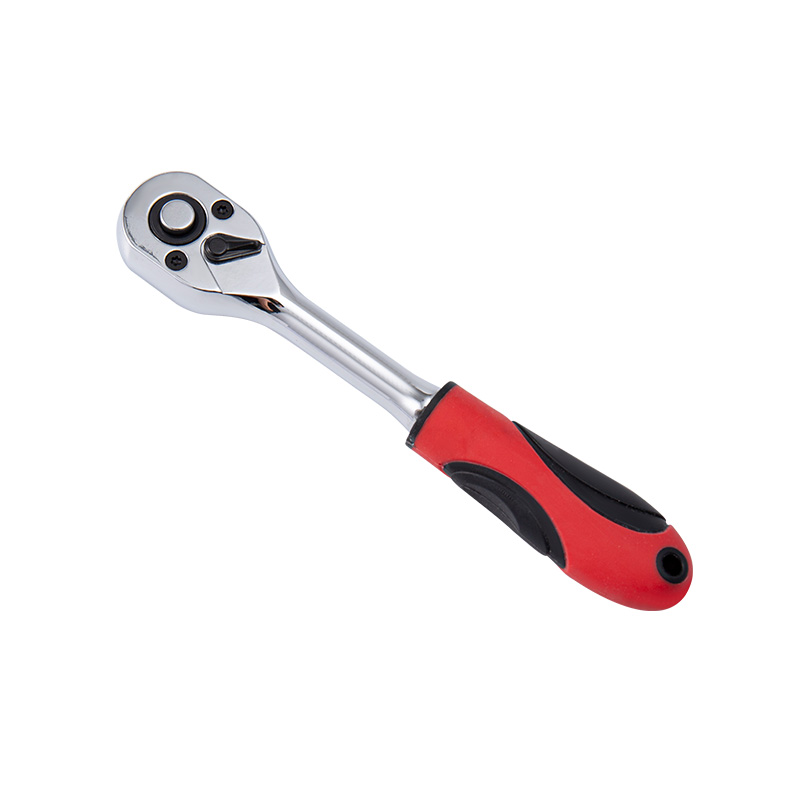
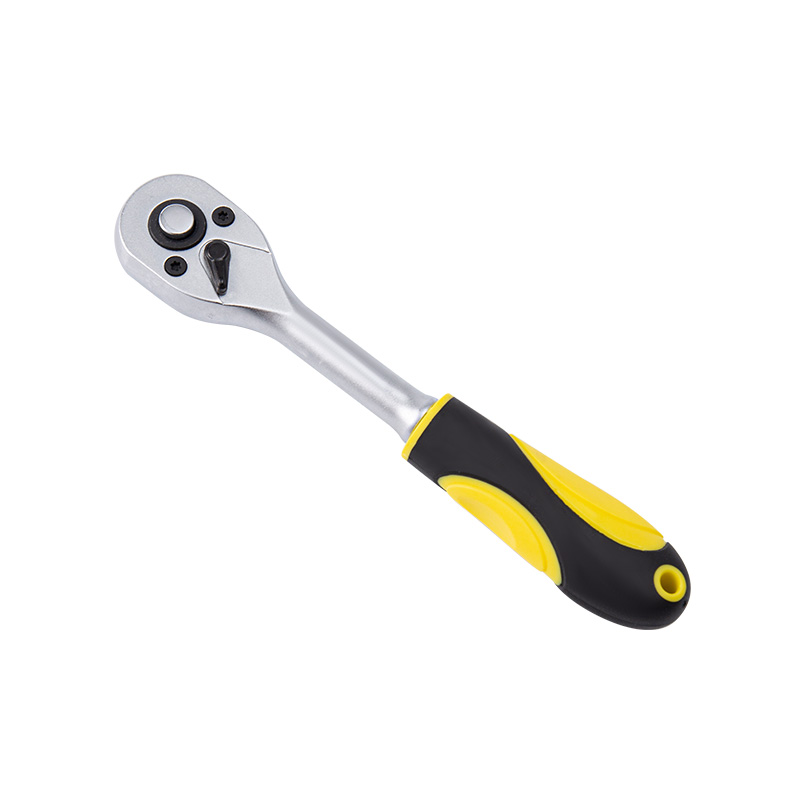
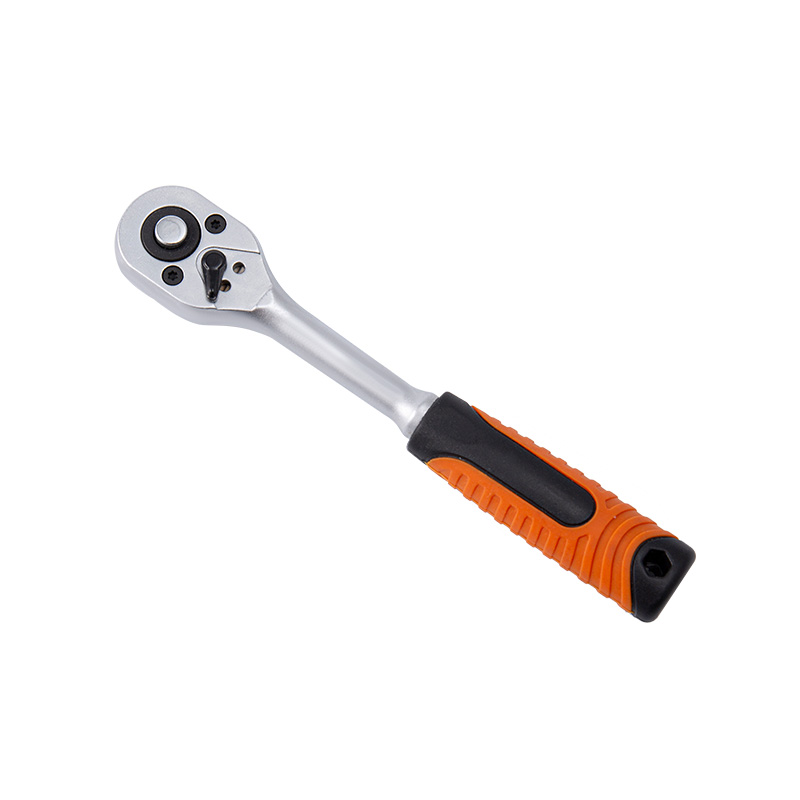
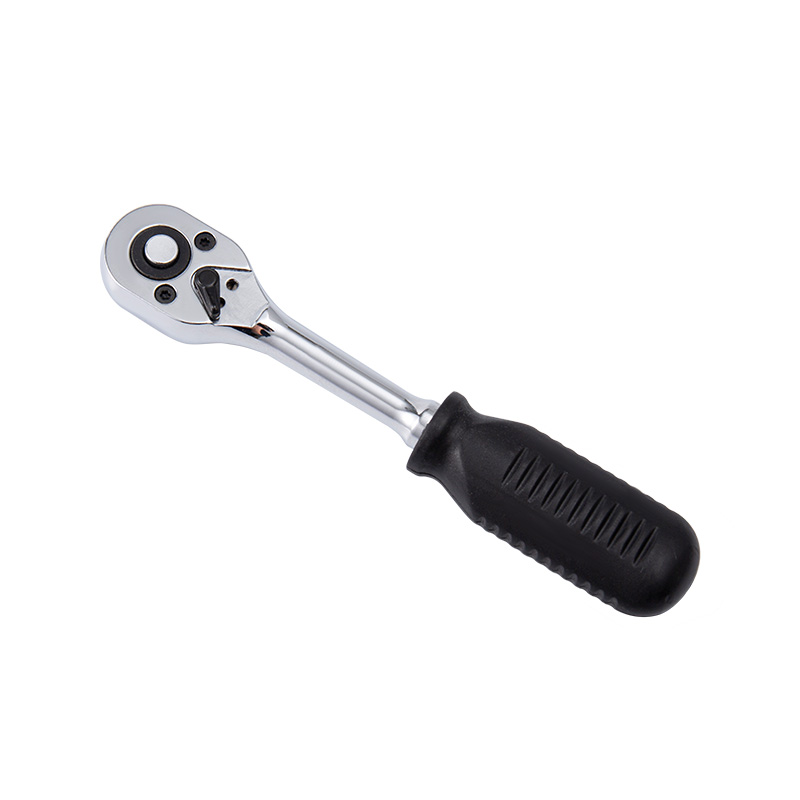
Working with mechanical assemblies or automotive components often requires reaching fasteners positioned at various angles. A Ratchet Handle with Various Tooth Type combined with a Universal Joint Socket provides practical flexibility for these tasks. Angular fasteners or bolts located behind panels, machinery components, or within constrained spaces can be difficult to access with standard ratchets or fixed extensions. Using a universal joint socket allows the tool to pivot and align with the fastener, enabling consistent engagement without repeatedly repositioning the handle.
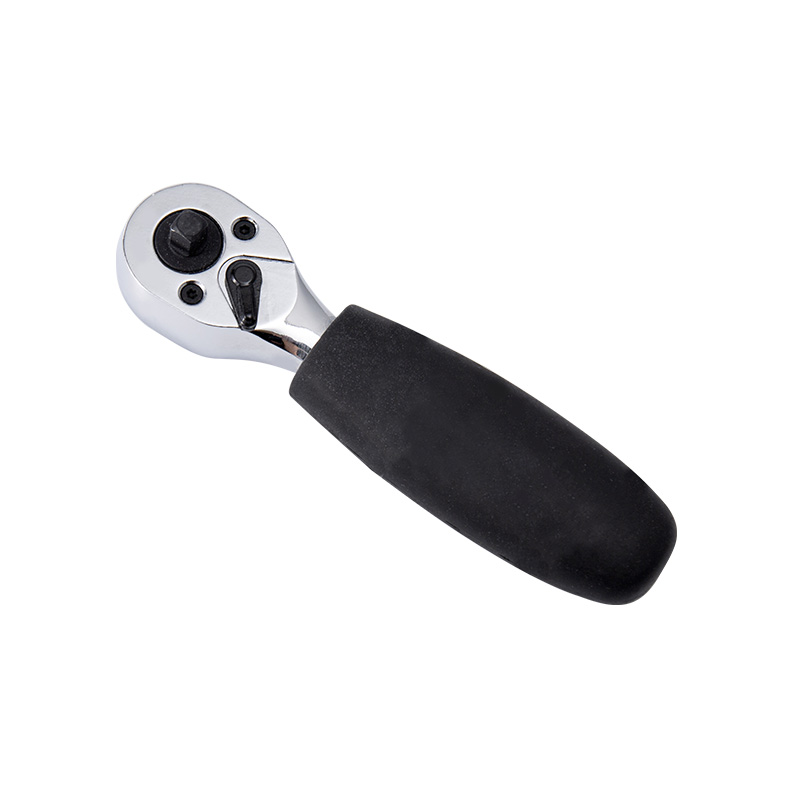
How Universal Joint Sockets Enable Angular Access
Universal joint sockets are designed to pivot in multiple directions, allowing the socket to rotate independently from the ratchet handle. This design is particularly useful for fastening tasks where straight-line access is blocked by surrounding structures.
The pivoting joint transmits torque from the ratchet handle to the fastener, adapting to angular deviations without compromising control. This flexibility reduces the need to remove the tool from the fastener, supporting smoother operation in confined or obstructed environments.
Selecting Ratchet Tooth Types for Angular Tasks
Fine-Tooth Ratchets:
- Allow incremental rotation with smaller swing arcs.
- Useful for tight angles where handle movement is limited.
- Maintain controlled engagement with fasteners when paired with a pivoting socket.
Standard-Tooth Ratchets:
- Larger swing arc, suitable for less restricted spaces.
- Allows faster rotation when angular constraints are minimal.
- Can work with universal joint sockets for bolts that are accessible with moderate movement.
Choosing the appropriate tooth type depends on the working space and required control rather than perceived superiority, ensuring the ratchet performs effectively in angular fastening scenarios.
Practical Applications of Angular Fastening
Universal joint sockets are especially helpful when fasteners are located in difficult positions:
- Behind machinery panels or structural supports in automotive and industrial equipment.
- Inside engine compartments with obstructing hoses, cables, or wiring.
- Assembly areas where other components prevent direct access to bolts.
- Furniture or cabinetry with recessed screws and limited clearance.
By allowing the socket to pivot, users can engage fasteners without repeatedly adjusting the handle, reducing effort and time spent on the task.
Ergonomic and Handling Considerations
Comfort and grip are important when operating a ratchet handle in angular positions. Handles designed with non-slip materials allow steady control even when torque is applied at awkward angles. Fine-tooth ratchets provide incremental movement that complements the pivoting action of the universal joint socket, allowing precise adjustments without excessive wrist twisting.
Ratchets and sockets constructed from tempered steel or high-strength alloys maintain consistent torque transfer, while protective finishes resist corrosion and wear, supporting repeated use in workshop or field conditions.
Factors to Consider for Angular Fastening
Accessibility: Determine whether the fastener can be reached in a straight line or requires a pivoting socket.
- Drive Size: Confirm compatibility between ratchet handle and socket size, commonly 1/4-inch, 3/8-inch, or 1/2-inch.
- Torque Requirements: Ensure the ratchet and universal joint can handle the necessary force without slipping or loosening.
- Grip Comfort: Ergonomic handles improve control and reduce hand strain when working at angles.
- Socket Length: Shorter joints improve stability in tight spaces; longer extensions may be needed for deep or recessed fasteners but require careful handling.
- Considering these practical elements helps users approach angular fastening tasks more efficiently while reducing fatigue and maintaining consistent rotation.
Tips for Using Universal Joint Sockets Effectively
Align the joint carefully with the fastener before applying torque.
Use fine-tooth ratchets for incremental rotation when space is limited.
Maintain a steady grip to prevent slipping during pivoting.
Check that the socket and joint are secure to avoid disengagement during use.
Adjust handle position gradually to follow the pivoting motion without forcing the fastener.
Applying these approaches ensures smoother operation and reduces unnecessary repositioning during angular fastening tasks.
Improving Workflow in Confined or Angled Spaces
Pairing a Ratchet Handle with Various Tooth Type with a Universal Joint Socket allows tools to adapt to angular positions while maintaining engagement with the fastener. Understanding the interaction between tooth type, handle ergonomics, and pivoting flexibility helps users work in challenging spaces without repeated tool removal. This combination supports controlled torque application, incremental rotation, and improved handling in professional or home mechanical tasks.
Related Products


Copyright © Zhejiang Protec Hardware Co., Ltd.

Extension Bar Wholesale