

 En
En English
 简体中文
简体中文
Home / News / Industry News / Why Are Professional Technicians Switching to Advanced Tooth-Mechanism Ratchet Tools for Precision Work?

Industry News
2026-07-03
Why Are Professional Technicians Switching to Advanced Tooth-Mechanism Ratchet Tools for Precision Work?
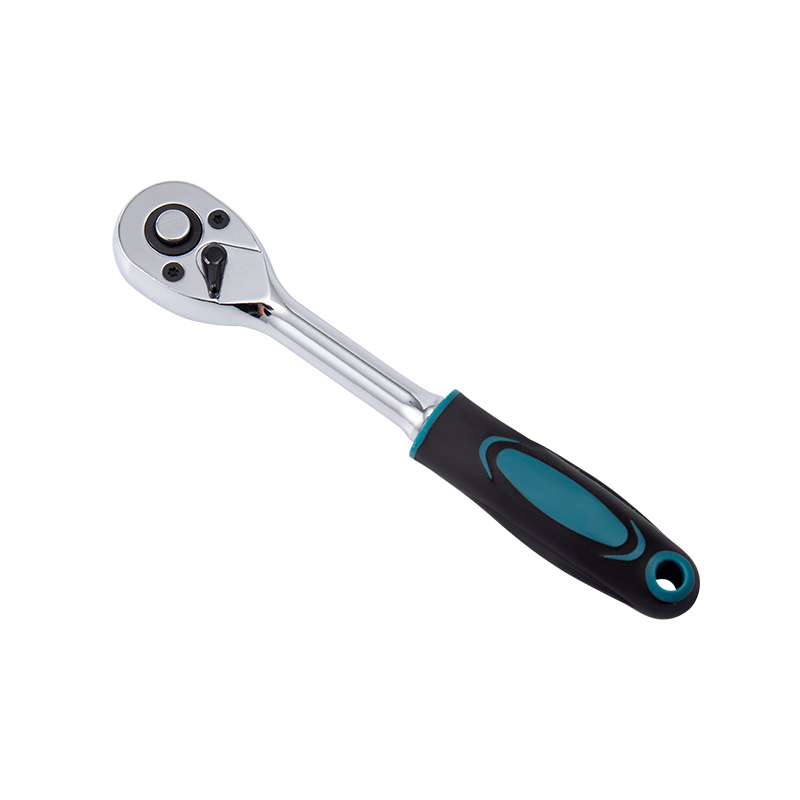
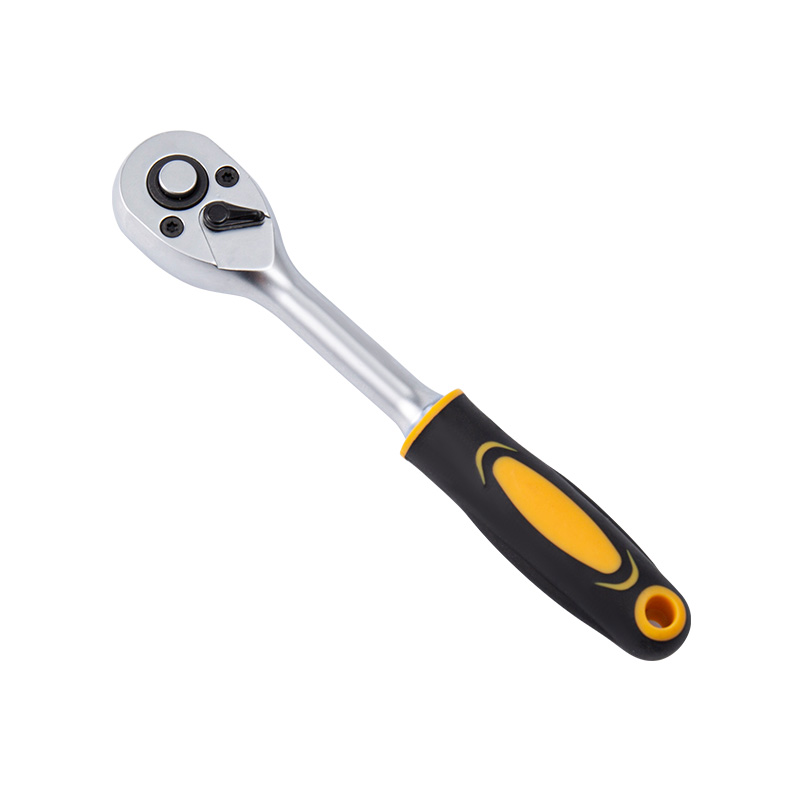
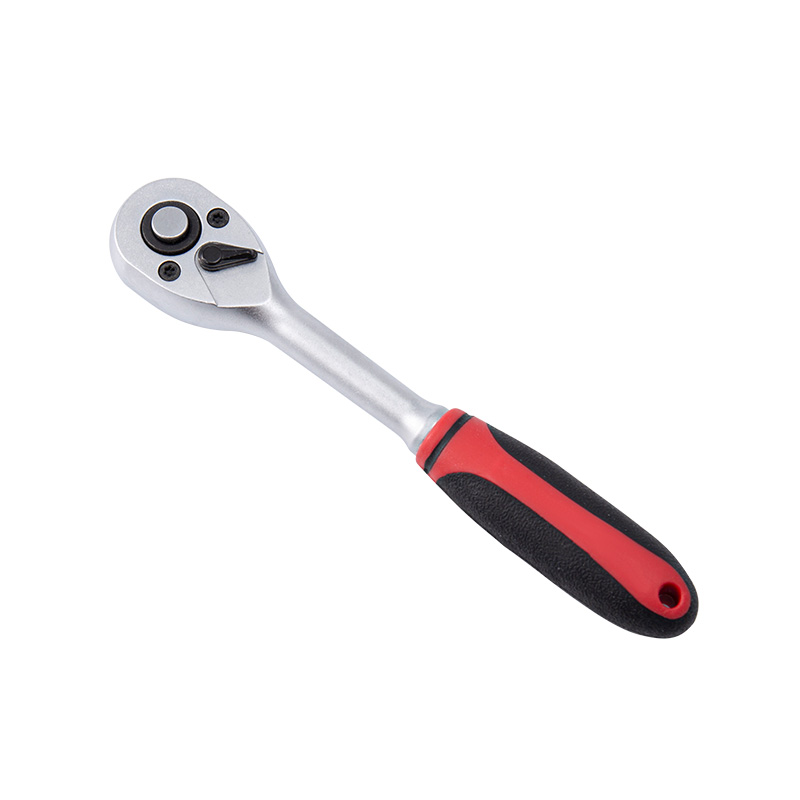
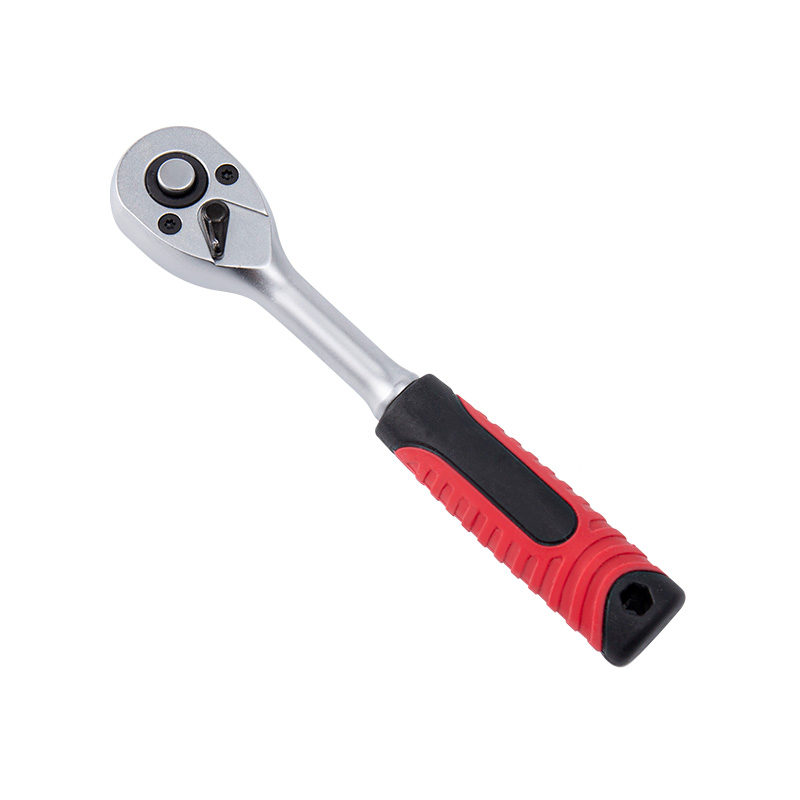
Across automotive repair, industrial maintenance, machinery assembly, and equipment servicing sectors, demand for more precise and fatigue-reducing hand tools continues to grow. A Ratchet Handle with Various Tooth Type is increasingly being evaluated not just as a basic fastening tool, but as a precision mechanism that directly affects work efficiency, torque control, and operator safety. Recent discussions among technicians and procurement teams show rising interest in smoother engagement systems, reduced back-slip angles, and compatibility with high-torque applications in confined working environments. As a manufacturer, we observe that buyers are focusing more on internal gear structure, tooth count accuracy, and long-term mechanical stability rather than general tool appearance.
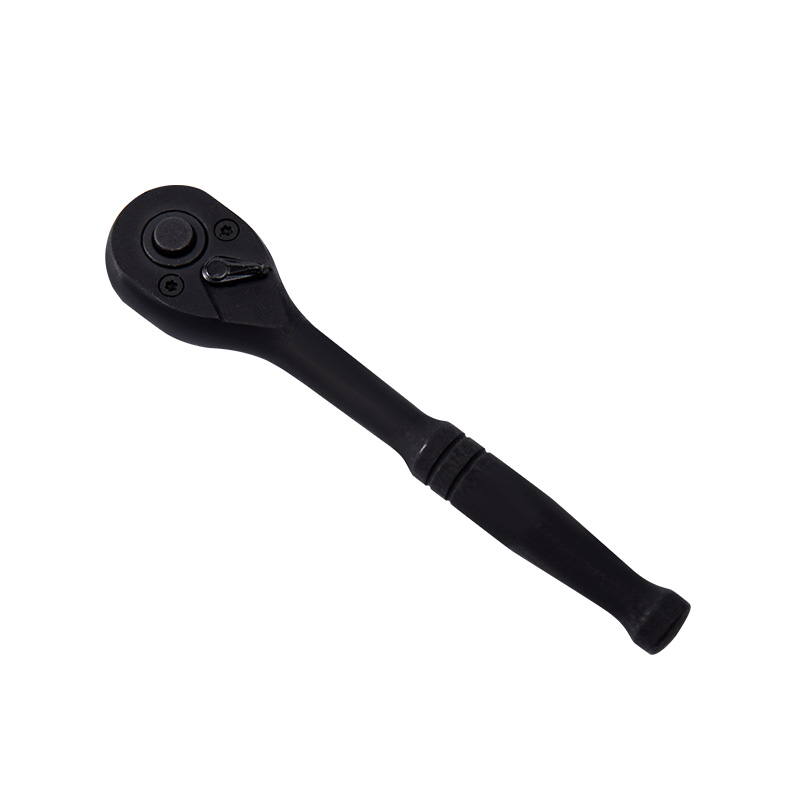
Why Tooth Count Design Directly Impacts Working Efficiency
One of the searched technical topics in tool procurement is the difference in ratchet tooth configurations. Common search queries include 72-tooth vs 90-tooth ratchet performance, fine tooth ratchet handle for tight spaces, and industrial ratchet torque efficiency comparison.
Higher tooth counts generally allow smaller swing angles, which is particularly useful in narrow engine bays or compact machinery assemblies. However, engineers also evaluate durability under repeated torque loading, not just movement precision. A balanced design ensures smooth engagement without compromising structural strength during high-force operations.
Precision Control Is Becoming a Standard Requirement
Modern maintenance environments require tools that provide controlled fastening without over-torquing or slippage. This is especially important in automotive repair, aerospace maintenance, and industrial equipment servicing.
Technicians increasingly look for:
- Consistent gear engagement under load
- Minimal back-drive movement during tightening
- Stable torque transfer in repetitive operations
- Smooth directional switching without internal lag
- Reduced hand fatigue during prolonged use
These factors have made internal mechanism quality more important than external handle design in purchasing decisions.
Material Strength and Heat Treatment Define Tool Life
Tool longevity is no longer measured only by surface finish or brand reputation. Buyers now ask for detailed material specifications and heat treatment processes before procurement.
As a manufacturer, key production focus areas include:
- Chrome vanadium or alloy steel selection for structural stability
- Heat treatment hardness control for gear durability
- Precision machining of internal tooth profiles
- Anti-corrosion surface coatings for workshop environments
- Load testing under repeated torque cycles
These engineering controls ensure consistent performance in demanding maintenance environments where tools are used daily under variable loads.
Ergonomic Design Reduces Long-Term Operator Strain
With increasing attention on workplace safety and efficiency, ergonomic tool design has become a key purchasing factor. Industrial users are evaluating how handle shape, grip material, and weight distribution affect long-term usability.
Common evaluation points include:
- Anti-slip grip texture for oily or dusty environments
- Balanced weight distribution to reduce wrist strain
- Compact head design for restricted access areas
- Quick direction switching for workflow efficiency
- Compatibility with extension bars and adapters
These improvements are especially relevant in high-frequency maintenance tasks where repetitive motion fatigue is a real operational concern.
Application Diversity Across Industrial Sectors
The use of ratchet tools has expanded beyond traditional automotive repair. Today, they are widely used in machinery installation, HVAC maintenance, construction equipment servicing, and assembly line operations.
Different industries require different configurations, for example:
- Automotive workshops prioritize compact head designs
- Heavy machinery maintenance requires high torque resistance
- HVAC systems need access-friendly short handle tools
- Industrial assembly lines focus on repetitive-use durability
This diversity is driving demand for customizable configurations based on application needs rather than one universal design.
OEM Customization and Supply Chain Expectations
Global distributors and tool brands are increasingly requesting OEM services to differentiate their product lines. This includes customized branding, packaging solutions, and mechanical variations tailored to regional market preferences.
Manufacturers are often expected to provide:
- Different tooth configurations based on market demand
- Private label branding for distributors
- Custom handle lengths and grip materials
- Packaging designed for retail and industrial channels
- Batch consistency documentation for quality assurance
This reflects a broader shift toward partnership-based manufacturing rather than standard catalog supply.
Manufacturing Precision Defines Tool Reliability
Ultimately, the performance of a ratchet tool depends on precision machining, internal gear alignment, and strict quality control during production. Even minor deviations in tooth geometry can affect engagement smoothness and long-term durability.
As industrial users continue to prioritize efficiency, safety, and precision in maintenance operations, the demand for a well-engineered Ratchet Handle with Various Tooth Type will continue to grow, especially among professionals seeking reliable tools that deliver consistent performance across demanding working environments.
Related Products


Copyright © Zhejiang Protec Hardware Co., Ltd.

Extension Bar Wholesale