

 En
En English
 简体中文
简体中文

Industry News
2025-12-19
When Should Various Sizes Available Bit Adapter Be Replaced?
Over time, tools used in automotive and mechanical work, such as various sizes available bit adapters and automotive repair sockets, can show signs of wear that affect their performance. Knowing when to replace a bit adapter is important for safety, efficiency, and preventing damage to screws and fasteners. Proper inspection and maintenance can help identify issues early and ensure that tools remain functional for a range of tasks.
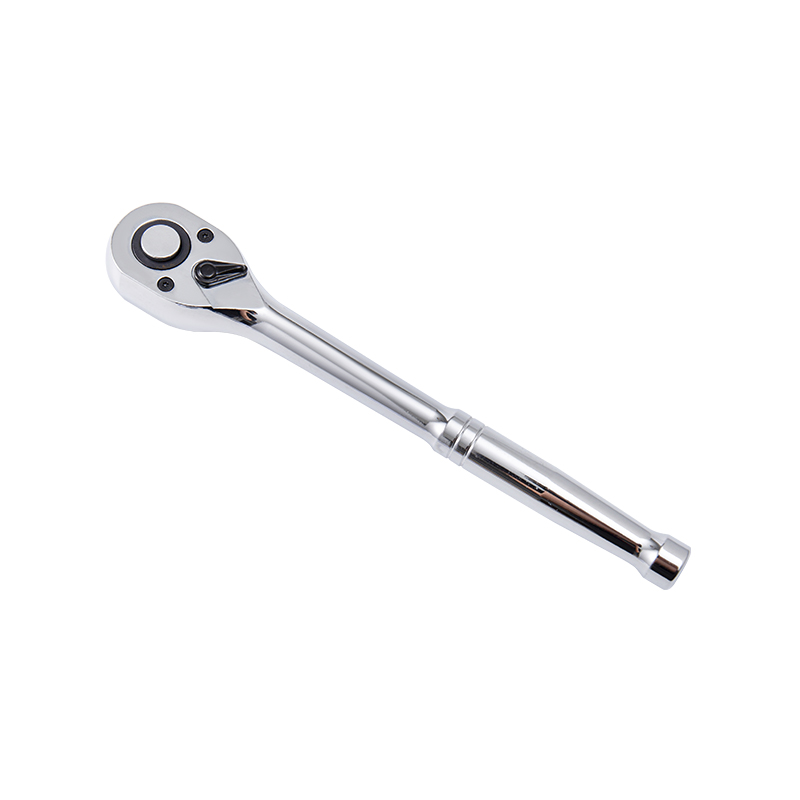
Signs of Wear on Bit Adapters
Bit adapters are exposed to repeated torque and pressure during fastening operations. Over time, the tips can become rounded, chipped, or deformed, reducing their ability to grip screws effectively. If the adapter slips frequently or requires extra force to engage a screw, it may be an indication that the tip has worn down.
Additionally, the shank or connection point between the adapter and the automotive repair socket can develop wear marks or looseness. A secure fit is essential for stable operation, and any wobbling or looseness can compromise control and increase the risk of damaging fasteners. Regular inspection for these physical signs helps determine when replacement is necessary.
Considering Usage Frequency and Conditions
The rate at which a bit adapter wears depends on how often it is used and the conditions under which it operates. Adapters used in heavy-duty automotive tasks or high-torque applications may show wear more quickly than those used for occasional household projects. Similarly, exposure to debris, moisture, or corrosion can accelerate deterioration. Storing tools in dry, organized environments and cleaning them after use can slow wear, but eventual replacement is still necessary when visible signs of damage appear.
Effects of Worn Adapters on Work
Continuing to use worn bit adapters can cause problems with fasteners, such as stripping the screw head or making it difficult to achieve proper tightness. This is particularly relevant when using automotive repair sockets, as a worn adapter may not fully transmit torque to the screw. In addition to complicating tasks, using damaged adapters increases the chance of slippage, which can pose a safety risk during mechanical work.
Inspection and Maintenance Practices
Regular inspection of both bit adapters and automotive repair sockets is a practical approach to prevent unexpected issues. Checking adapters before starting a project allows users to identify wear early. A visual inspection can reveal rounded edges, chips, or deformation, while a functional check can confirm that the adapter engages screws without slipping.
Maintenance routines such as cleaning adapters and sockets after use, removing debris from tips, and lightly oiling the connection points can help maintain consistent performance. These practices do not prevent eventual wear but can extend the usable life of the tools. Proper organization and storage, keeping adapters in trays or labeled compartments, also reduce accidental damage and loss.
Deciding When to Replace
Replacement should be considered whenever an adapter no longer fits screws securely, shows visible signs of damage, or begins to compromise work efficiency. Even if wear appears minor, consistent slipping or difficulty in engagement indicates that the adapter has reached the end of its effective life. Pairing worn adapters with automotive repair sockets can increase the risk of rounding off fasteners, so timely replacement supports smoother workflow and reduces potential frustration.
Preparing for Replacement
Keeping spare bit adapters on hand ensures that tasks can continue without interruption when a replacement is needed. Organizing replacement adapters by drive size and tip type allows for quick identification and use. Additionally, pairing new adapters with compatible automotive repair sockets ensures a stable connection and predictable performance.
Performing regular inspections, and maintaining tools appropriately, users can determine the right time to replace various sizes available bit adapters. This approach maintains consistent handling, reduces the risk of damage to fasteners, and helps maintain an organized and efficient workspace for automotive and mechanical projects.
Related Products


Copyright © Zhejiang Protec Hardware Co., Ltd.

Extension Bar Wholesale