

 En
En English
 简体中文
简体中文

Industry News
2026-04-17
How Does Drawer Rolling Tool Chest Help Organize Multi Tool Systems?
Workshops that handle a wide variety of repair and assembly tasks often rely on both structured storage and adaptable hand tools to keep operations running smoothly. The combination of a Drawer Rolling Tool Chest and an Automotive Repair Socket system plays a practical role in organizing multi tool setups, especially when technicians need to switch between different tasks throughout the day. Rather than focusing only on storage capacity, modern tool organization is increasingly about accessibility, workflow continuity, and reducing unnecessary interruptions.
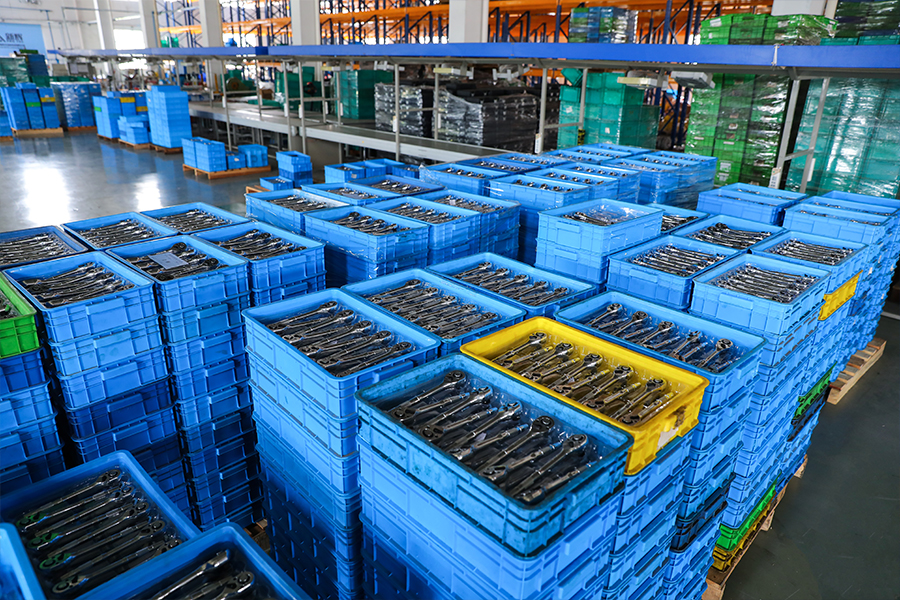
Why Multi Tool Systems Require Structured Storage Approaches
As tool collections expand, disorganization can quickly become a barrier to efficiency. Multi tool systems typically include sockets, ratchets, screwdrivers, measuring tools, and specialized attachments. Without a structured storage method, these items may become scattered across work surfaces, toolboxes, or shared spaces.
A Drawer Rolling Tool Chest introduces a layered storage approach, where each drawer can be assigned to a specific category of tools. This helps technicians locate what they need without sorting through mixed items. Over time, consistent placement also builds familiarity, allowing users to reach for tools almost instinctively.
The presence of Automotive Repair Socket sets adds another layer of complexity, as these often include multiple sizes, extensions, and drive types. Keeping them grouped in a dedicated drawer or tray prevents mixing with unrelated tools and reduces the chance of losing smaller components.
Practical Ways a Drawer Rolling Tool Chest Supports Tool Organization
Different workshops may adopt different organization methods, but several practical strategies can be applied when using a rolling tool chest to manage multi tool systems:
- Assigning Drawers by Tool Category
Separate drawers can be designated for sockets, hand tools, measuring devices, and power tool accessories. This reduces overlap and keeps related tools together.
- Using Inserts or Dividers for Small Components
Socket sets, especially Automotive Repair Socket collections, benefit from trays or foam inserts that keep each size in a fixed position.
- Placing Frequently Used Tools in Upper Drawers
Tools used daily can be stored in easily accessible drawers, reducing repetitive bending or searching.
Grouping Tools by Task Type
For example, tools used for automotive repair can be stored together, while electrical or assembly tools are kept in separate sections.
- Maintaining a Consistent Layout Over Time
Once a system is established, keeping the same arrangement helps avoid confusion, particularly in shared workspaces.
These approaches help turn a general storage unit into a functional part of the workflow rather than just a container.
Managing Automotive Repair Socket Sets Within Multi Tool Systems
Socket tools are often among the frequently used items in mechanical work, which makes their organization particularly important. Automotive Repair Socket sets can include dozens of pieces, and without proper arrangement, they can become difficult to manage.
A Drawer Rolling Tool Chest allows sockets to be stored in a way that reflects how they are used. For instance, metric and imperial sockets can be separated into different sections, while deep and shallow sockets can be arranged side by side for easy comparison. Extensions, universal joints, and ratchets can be placed nearby to form a complete working set.
This type of arrangement supports quicker tool selection during repair tasks. Instead of searching through a mixed container, technicians can visually identify the correct size and type, which helps maintain workflow continuity. It also reduces the likelihood of using an incorrect socket, which could affect fastener integrity.
Mobility and Its Role in Tool Accessibility
Unlike fixed storage cabinets, a Drawer Rolling Tool Chest provides mobility, which can be particularly useful in environments where workstations are spread out. Technicians may need to move between different vehicles, assembly areas, or inspection zones, and carrying tools manually can be inefficient.
With a rolling system, tools remain organized while being transported. This eliminates the need to repeatedly pack and unpack items, and it ensures that the same layout is preserved regardless of location. For multi tool systems, this consistency can make a noticeable difference in daily operations.
Mobility also supports temporary workspace setups. For example, when working on a specific project, the tool chest can be positioned nearby, allowing immediate access to both Automotive Repair Socket sets and other tools without leaving the work area.
Reducing Tool Loss and Misplacement in Busy Work Environments
In shared workshops or high-activity environments, tool misplacement is a common issue. When multiple users access the same tools, items can easily be left in different locations or mixed with other equipment.
A structured Drawer Rolling Tool Chest helps address this by providing a defined “home” for each tool. When combined with labeled drawers or visual guides, it becomes easier for users to return tools to their correct positions after use. This is particularly helpful for socket sets, where missing pieces can disrupt tasks.
Related Products


Copyright © Zhejiang Protec Hardware Co., Ltd.

Extension Bar Wholesale